
2026 Neurodiversity Affirming Therapy Conference Australia Lineup
OUR KEYNOTE SPEAKERS
OUR KEYNOTE SPEAKERS
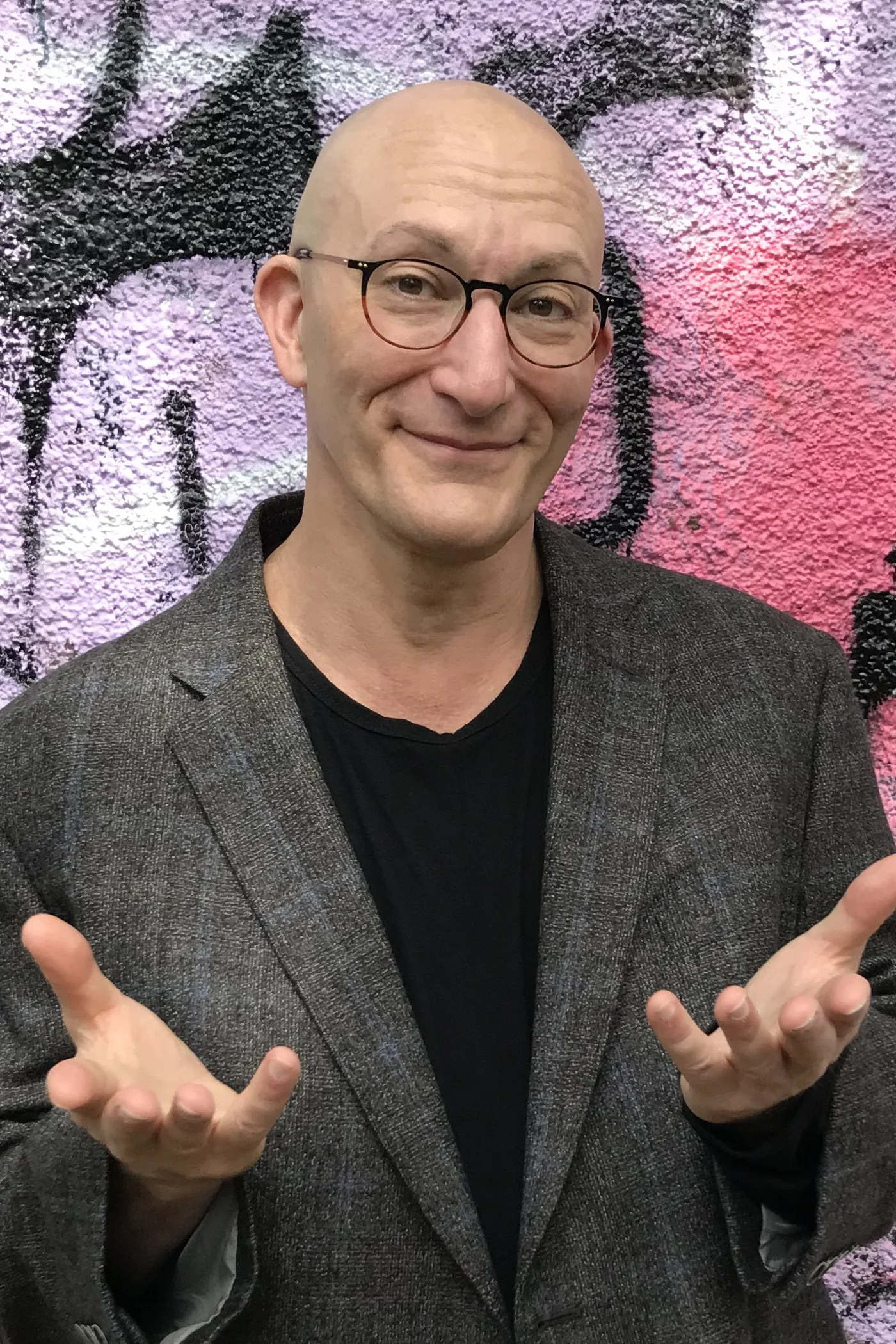
Professor Nick Walker (he/him - USA)
Keynote Presentation on What We Affirm: Clarifying the Values and Premises of Neurodiversity Affirming Therapy (Virtual)
Dr. Nick Walker has been a leading thinker on neurodiversity for the past two decades, and has played a significant role in establishing the foundations of the neurodiversity paradigm and the field of Neurodiversity Studies. Nick is a professor at California Institute of Integral Studies, and a principal architect and founding faculty member of the school’s Bachelor of Science programs in Psychology and Psychedelic Studies. His transdisciplinary academic work explores the edges and intersections of depth psychology, somatic psychology, neurodiversity, consciousness expansion, and creativity. His published works include the essay collection Neuroqueer Heresies, plus chapters in such books as Diverse Bodies Diverse Practices and The Routledge Handbook for Creative Futures. He is co-editor of the upcoming anthology Neurodiversity in Clinical Psychology and Counseling, as well as multiple volumes of the annual Spoon Knife multi-genre lit anthology. He also writes speculative fiction, including the urban fantasy webcomic Weird Luck. Nick holds a 7th degree black belt in aikido and serves as senior aikido teacher at the Aiki Arts Center dojo in Berkeley, California.
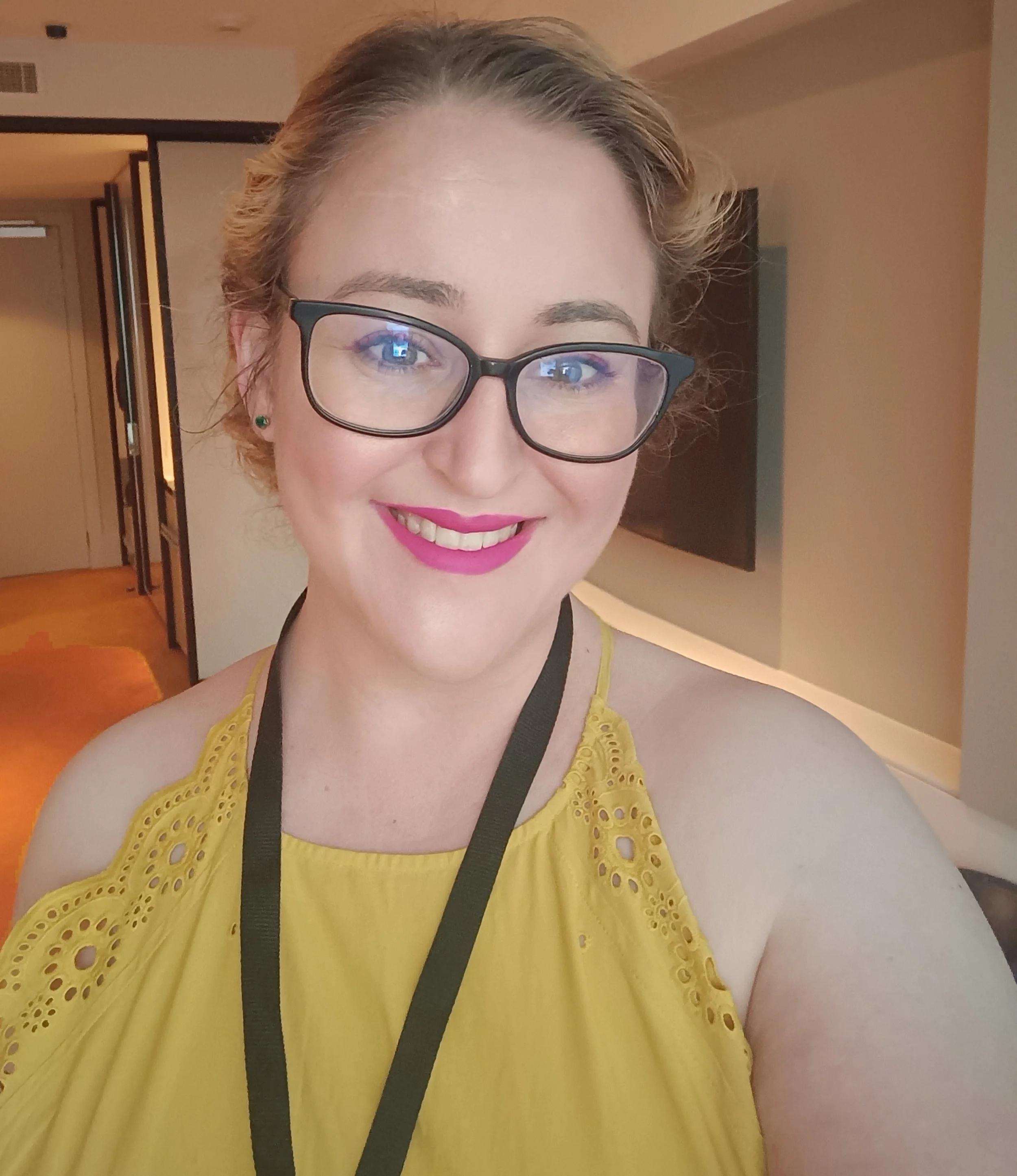
Associate Professor Monique Botha (they/them - UK)
Keynote Presentation on Reclaiming Humanity: Identity, State Based Violence, and Neurodivergent Resistance (Virtual)
Dr Monique Botha is a community psychologist and Associate Professor, based at the Centre for Neurodiversity and Development at Durham University, United Kingdom. Monique’s research challenges how society and researchers think about neurodivergence. Their work explores stigma, dehumanization, and minority stress, while also showing how neurodivergent identity, community, and belonging can be powerful sources of collective resilience. Their work spans qualitative, quantitative, dyadic, and creative research, where the core shared principles regardless of method are to rehumanize neurodivergent people. At the heart of their scholarship is a commitment to dismantling ableism in science and building research that reflects the lives of neurodivergent people. Monique co-founded the Striving to Transform Autism Research Together, Scotland (STARTS) with Dr Eilidh Cage and Dr Catherine Crompton, a collaborative research network which brings together researchers and co-researchers with an aim towards transforming the research landscape in Scotland. They also co-founded the Community Against Prejudice Towards Autistic People (CAPTAP) which brings together 200 scholars and autistic people with a specific focus of tackling systemic inequalities which autistic people face.
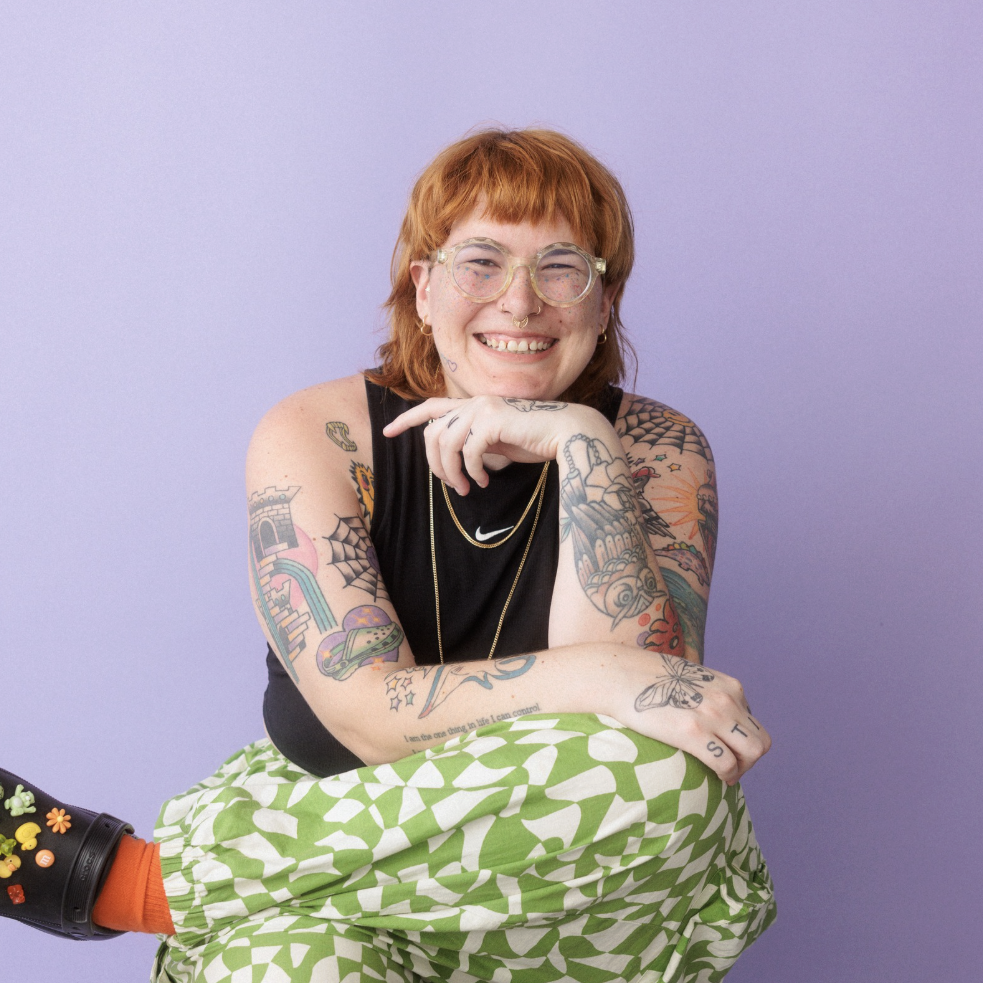
Sonny Jane Wise (The Lived Experience Educator - they/them)
Keynote Presentation on Pathology or Protection: Depathologising BPD and NPD through the Neurodiversity Affirming Lens
Sonny has cultivated a powerful presence as a speaker, educator and advocate delivering transformative workshops and keynotes to conferences, mental health services, businesses and government bodies. Their work explores neurodivergence through a socio-political lens, bridging the personal and political to challenge neuronormativity and promote neurodiversity affirming practice using storytelling and critical education.
Sonny is the creator of the original “Neurodivergent Umbrella” graphic, a visual cornerstone in neurodivergent awareness and education, and has played a strong role in bringing clarity and understanding to neuronormativity. They’re also the published author of ‘We’re All Neurodiverse’ and ‘The Neurodivergent Friendly Workbook of DBT Skills’—the first DBT workbook designed through a neurodiversity-affirming lens which has sold over 70,000 copies worldwide.
Expert Panel Discussions and Other Guest Speakers
(In Alphabetical Order)
Lauren (Alex) Turnbull(she/her)
Online Research Presentation: Finding Belonging as Neurodivergent Occupational Therapists: Supporting Ourselves so we Can Support Others
Lauren (Alex) is an occupational therapist who discovered she's Autistic and an ADHD'er while studying. She has found her zone working with neurodivergent older teens and adults in her practice Neurokin OT, supporting people feeling heard, seen, and believed about their experiences and challenges.
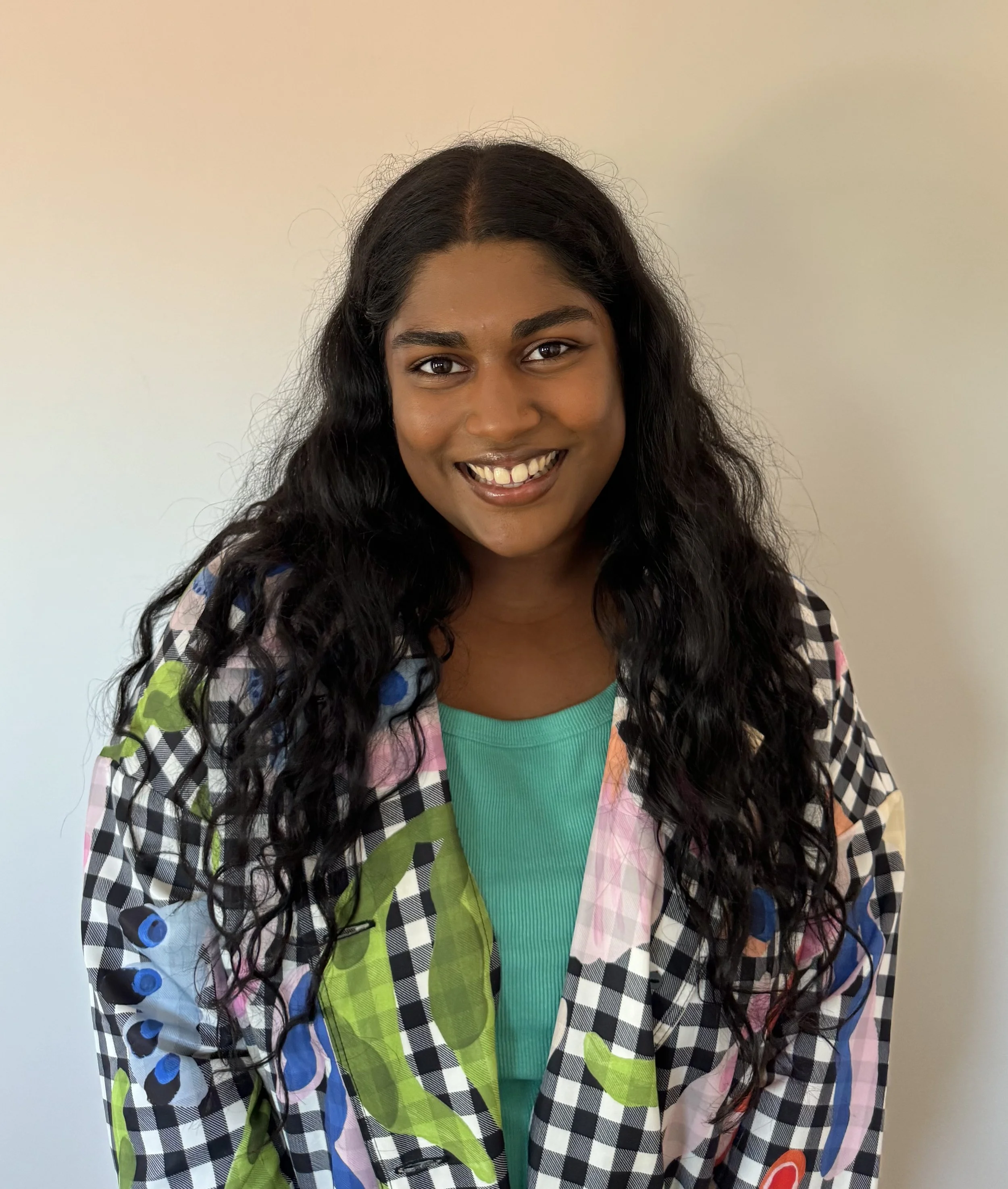
Alvita Sam (she/her)
Panel Discussion: Autism, Psychedelics and Psychedelic Assisted Psychotherapy
Alvita Sam is an AuDHD Provisional Psychologist and Combined Master’s of Educational and Developmental Psychology and PhD Candidate at Monash University. Her PhD project is exploring the Influence of Psychedelic Experiences upon Self-Identity amongst Autistic Adults. She additionally works within research exploring the sleep and mental health experiences of culturally and racially marginalised communities in Australia through an intersectional lens.
Alvita is a firm advocate for amplifying the lived experience of the communities that her research and practice involve, and for meaningful inclusion and co-design. She hopes to bring historically underrepresented perspectives and stories to the forefront through her work.
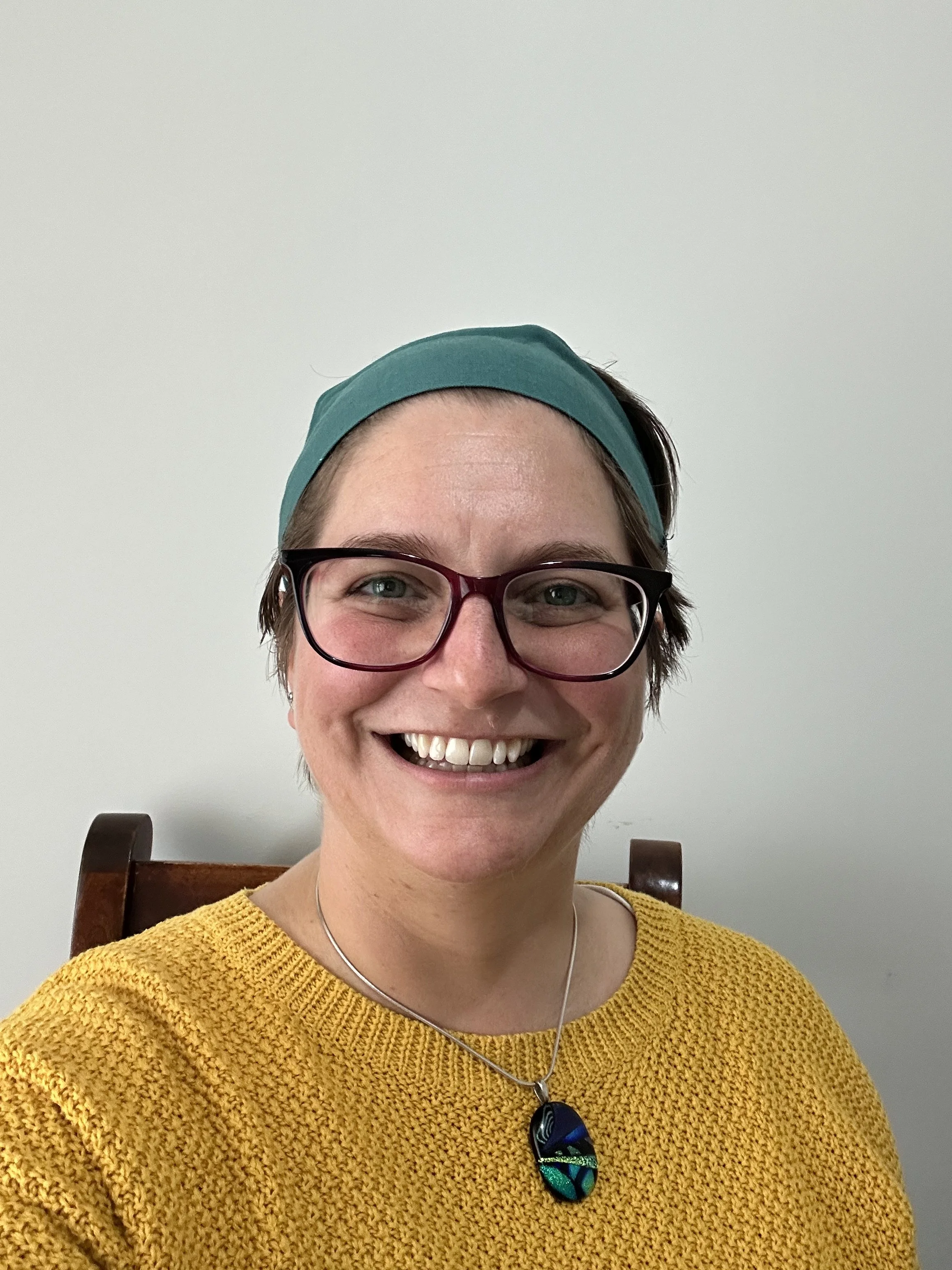
Amiee Pember (she/her)
Becoming with Them: Learning to Mother with Intuitive Attunement and Neurodivergent Wisdom
Amiee Pember (she/her) is an AuDHDer Perinatal Psychologist based in Busselton, WA. Her professional focus on perinatal and infant mental health is deeply informed by her own experiences transitioning to motherhood. This journey, viewed through the lens of her neurodivergence, has provided Amiee with unique insights into the experiences of Autistic and ADHD parents during the perinatal period and beyond.
Amiee is passionate about supporting mothers as they integrate their pre-baby identity with their evolving sense of self. Her therapeutic approach is rooted in an attachment-based framework, incorporating mindfulness and compassion-focused practices to help families regulate, connect, and thrive.
Beyond her clinical work, Amiee is a Board-Approved Supervisor and develops neurodiversity-affirming training for perinatal and infant health professionals. Her mission is to equip professionals with the tools to support Autistic and ADHD parents in fostering identity and belonging.
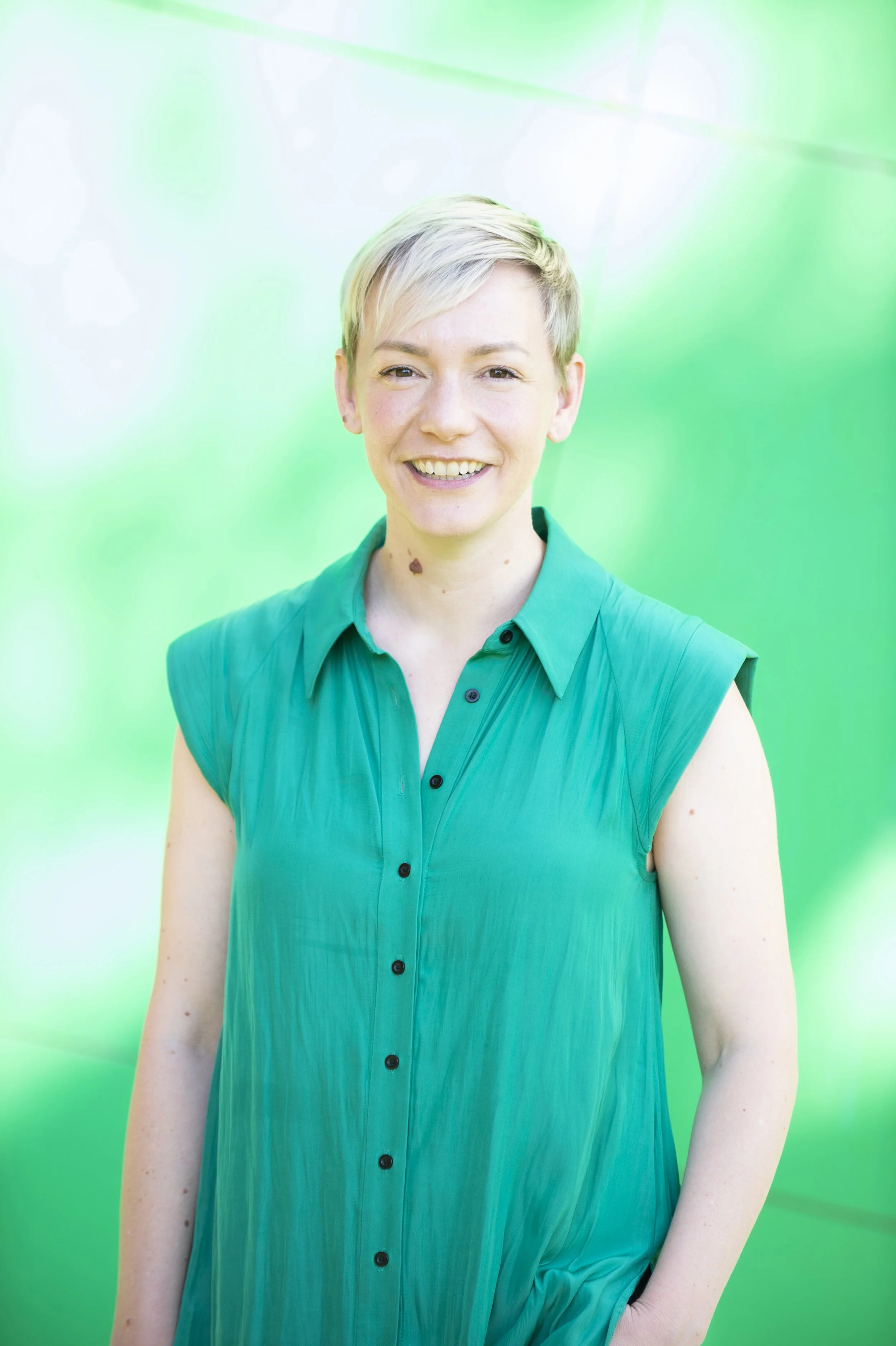
Amber Lim (she/her/they/them)
Research Symposium: An Empirical Investigation of the Sleepless Artist Cultural Trope: Sleep Problems, Sensory Sensitivities, and the Associative Basis of the Creative Process
Amber is currently completing her PhD at Swinburne University of Technology in Melbourne and has a diverse range of experience across the visual and performing arts sectors. She has worked as a performance artist, a musical theatre actor, a performing arts producer, and a textile artist. The most memorable of these projects was the Go-Go Dancing Nannies performance art troupe, created by one of Meryl Tankard’s dancers, Roz Hervey.
Other notable projects include Amber’s starring role in Freeway (a musical about heroin addicts written by Pat Rix, which considerably stretched her acting abilities), an ensemble role (performing alongside her mother Anne) in the political musical Scam, and producing a late-night music and cabaret program for Comedy@Trades, which proved more popular than the official Melbourne International Comedy Festival club. Amber has now established herself in academia, where she investigates factors that contribute to individual differences in creativity. Alongside her research, Amber takes particular joy in teaching and is committed to inclusive practice. Her approach is shaped by a determination to create the kinds of learning environments that she sorely lacked during her own formal education; spaces where every student is recognised, valued, and supported to be fully and unapologetically themselves.
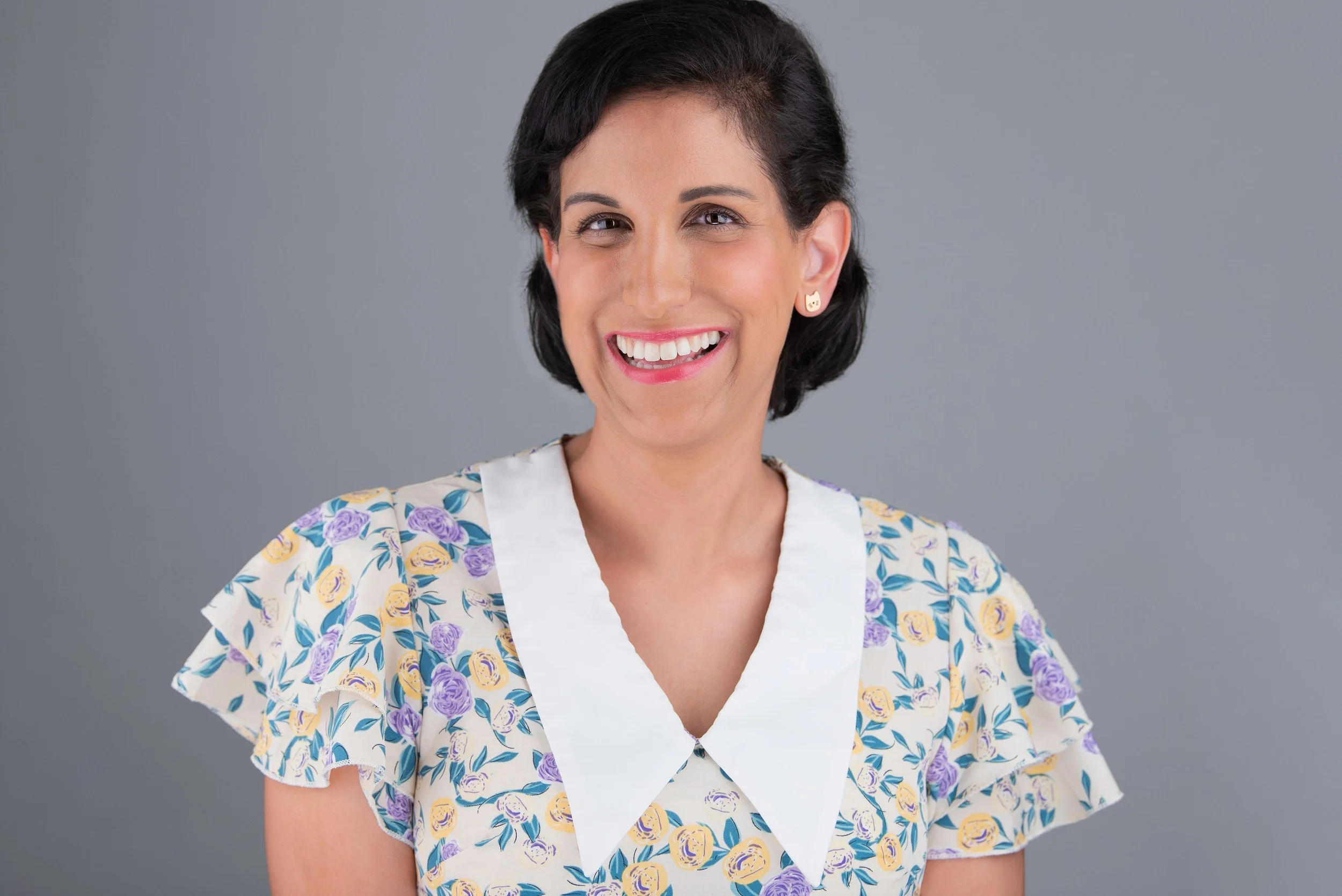
Amrit Grewal (she/her)
The OCD of Being “Good”: Recognising Invisible Moral Suffering in Neurodivergent People
Amrit Grewal is a Senior Clinical Psychologist based in Sydney, with over 15 years’ experience supporting individuals across a wide range of mental health concerns, including anxiety, OCD, mood difficulties, trauma, and relational challenges.
She has a particular interest in working with autistic, ADHD, gifted, and highly sensitive individuals, whose experiences are often misunderstood in traditional clinical models. Amrit works integratively, drawing on CBT, ERP, Schema Therapy, compassion-focused approaches, and parts-based models within a neuroaffirming framework.
Her work emphasises depth, coherence, and self-awareness, alongside a strong foundation of compassion, supporting clients to understand the underlying patterns, emotional systems, and developmental experiences shaping their inner world. She is particularly interested in helping individuals move beyond surface-level symptom management toward a more integrated, coherent, and self-trusting way of relating to themselves.
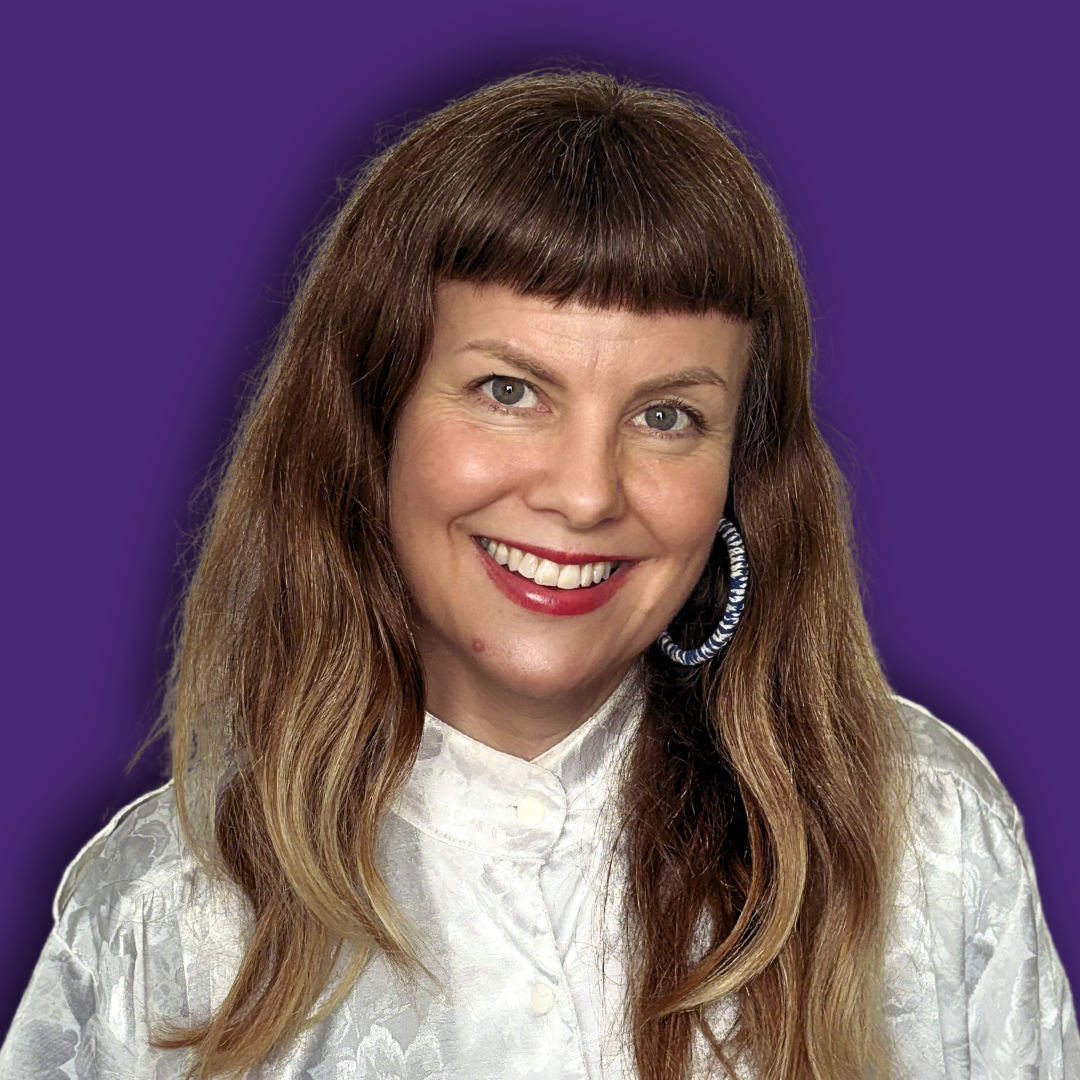
Dr Annemarie O’Dwyer (UK - she/her)
Online Research Presentation: Post-Panoptic Performativity: Self-Surveillance, Inspection Readiness and Neurodivergent Teacher Subjectivities in the English Further Education System
Dr Annemarie O’Dwyer, a neuro-inclusion speaker, researcher, coach, and advocate, draws on her lived experience as a neurodivergent educator, multiply neurodivergent (dyslexic, dyspraxic, ADHDer and autistic). Annemarie has a background in Further Education as a sociology teacher and middle manager in the English Education (FE) system. As a result of Annemarie’s doctoral research, which highlighted the absence of neurodivergent educators in education policy and discussions of teaching practice in the English FE sector, Annemarie founded 'Neurodivergent Insider.' Through this initiative, she supports education employers, membership organisations, and corporate clients in creating inclusive environments where neurodivergent staff can excel.
In addition, Annemarie provides coaching and mentoring services to educational professionals. Annemarie’s work champions the importance of valuing neurodivergent perspectives within the learning and skills sector and in CPD delivery. Moreover, Annemarie writes regularly on neurodiversity-affirming practice, covering a range of topics, including addressing systemic barriers in the English education system for neurodivergent teaching professionals, harnessing AI tools responsibly and inclusively, and ableism, autonomy, and allyship. In 2023, Annemarie co-founded a support group for Neurodivergent Educational professionals. The group ran for two years and included monthly meetings where neurodivergent teachers could discuss their wins and struggles in a safe, supportive space.

Annelil Desille (she/they)
Autistic & ADHD Relationships and Sexual Satisfaction: Supporting Mixed Neurotype Partnerships
Annelil (Lil) is an AudHD registered clinical psychologist who integrates personal experience with evidence-based practice to support neurodivergent individuals. Their special interests include neurodivergence, mind-body connection, sexual health, relationships and intimacy, attachment, and spirituality.
She utilises her array of knowledge and passion for all things sex, relationships and intimacy to support neurokin with their ability to deepen and strengthen connections together. Lil has developed and created incredible resources, as well as events and courses that are tailored specifically to the AuDHD community. These events and resources have largely been complimented by our neurokin for their level of inclusivity, adaptability and resourcefulness.
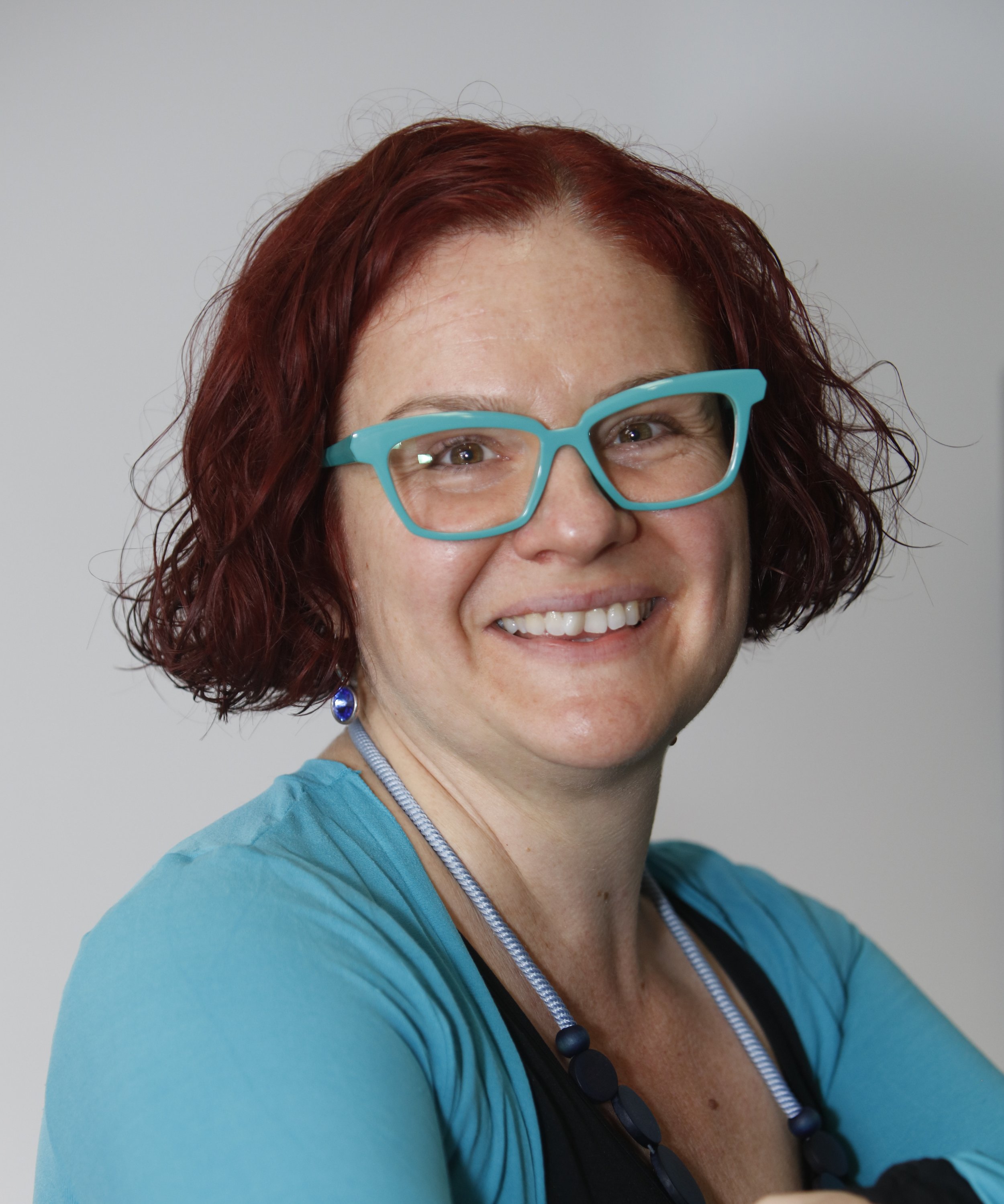
Alyssa Garret (she/her)
Online Presentation: Neurodiversity-Affirming Psychological Therapy:
A proposed framework for conceptualisation and treatment planning
Alyssa is a Senior Clinical Psychologist and runs a busy private practice in Boorloo (Perth), Western Australia. Specialising in Schema Therapy and Acceptance and Commitment Therapy, she is a strong advocate for neurodiversity affirming practice, and this underpins every aspect of her personal and professional life. Alyssa’s 19 years of experience has consolidated a therapeutic approach that balances the science and art of clinical practice. She has a warm, respectful, and attuned therapeutic style, and is committed to ongoing professional learning from listening to lived experiences, as well as from research and training.
As a neurodivergent psychologist, Alyssa is passionate about respectfully and collaboratively supporting her fellow clinicians to be neurodiversity affirming. She has a particular interest in how to meaningfully incorporate NDA principles into evidence-based psychological therapies, moving beyond the basics of supports and accommodations, toward a more holistic integration. In 2023 she co-created STAND Attuned, a comprehensive, adapted Schema Therapy model that embeds the principles of neurodiversity affirming practice into every element of assessment and intervention. Alyssa has provided professional training and supervision to local, national, and international audiences.
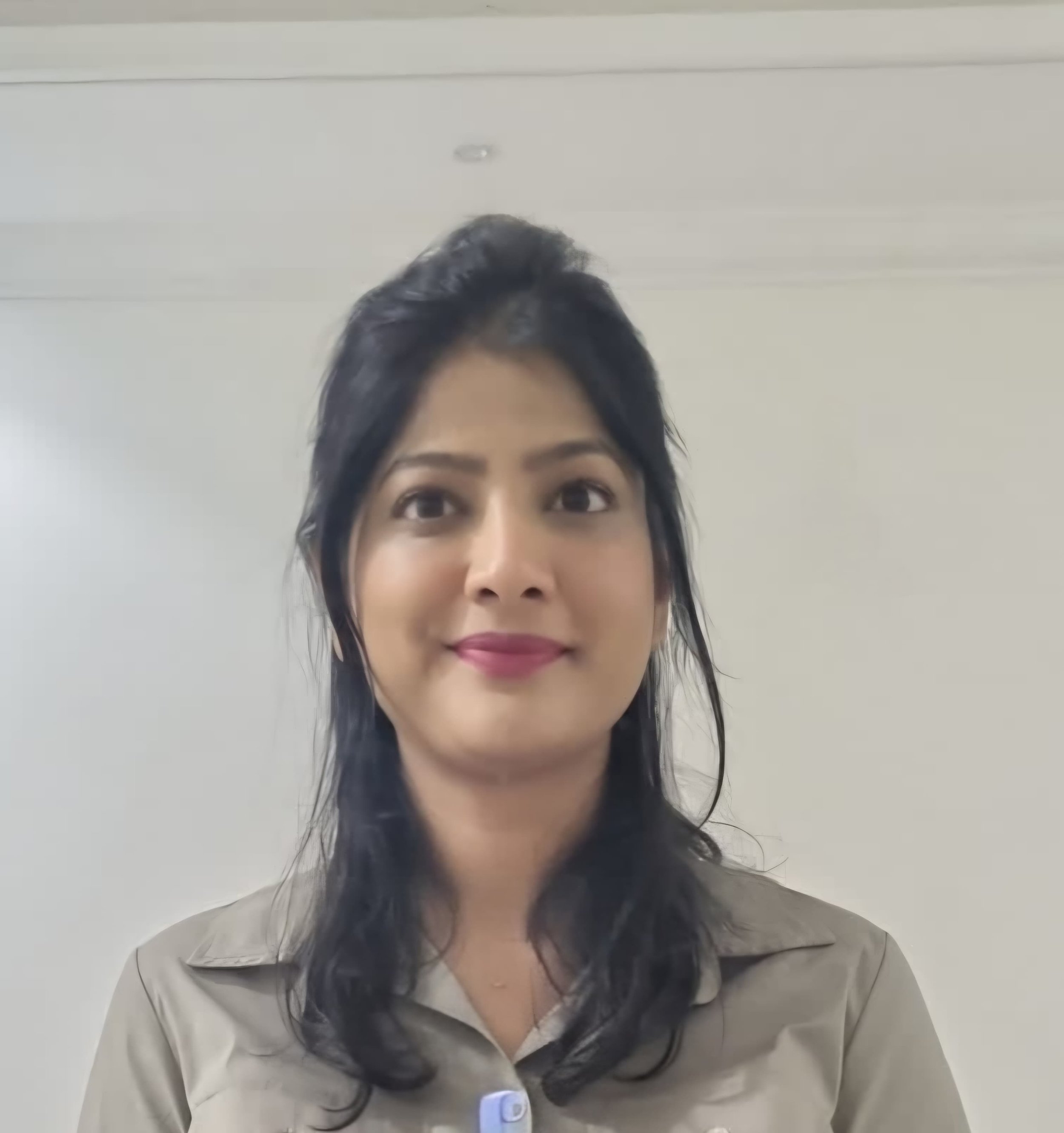
Anum Farooq (UK - she/her)
Online Research Presentation: Double Intensity Care: Autistic Parents Raising Autistic Children in UK Service Contexts
Anum Farooq is a PhD candidate in the School of Psychology, Sport Science & Wellbeing at the University of Lincoln, UK. Her research focuses on autism caregiving, family wellbeing, and neurodiversity-affirming approaches, with particular attention to the experiences of diverse families in the UK. She previously completed a Master’s degree in Clinical Psychology and worked as a lecturer in the higher education sector in Pakistan.
As both a researcher and a parent-carer of an autistic child, her work is informed by lived experience as well as academic inquiry. Anum has experience working as a Special Educational Needs and Disabilities (SEND) teacher in Pakistan, Saudi Arabia, and the United Kingdom. As someone from an ethnic minority background, she is particularly committed to advocating for underrepresented communities, understanding their lived experiences, and supporting families in navigating health and education systems. Her work aims to bridge research and real-world practice to better support autistic children and their families.
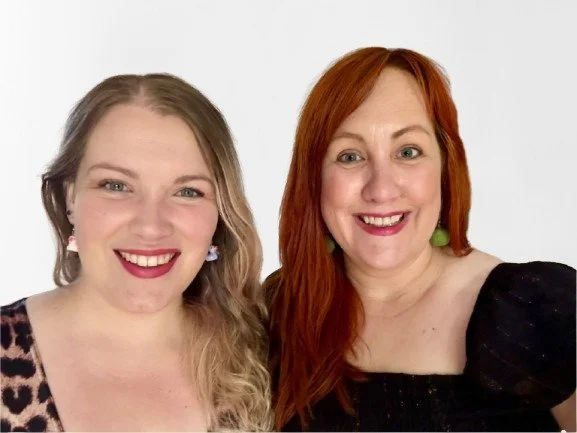
Bec Secombe & Sharmayne Bennett
LOAPAC Lived Experience Practitioner Symposium
ND AffirmEd
ND AffirmEd is a Tasmanian-based initiative co-founded by psychologist Sharmayne Bennett (Wonderfully Wired Psychology) and occupational therapist Bec Secombe (The ND OT). Both are late-identified, multiply neurodivergent clinicians who bring a blend of professional expertise, lived experience, and a shared commitment to reinvigorating support through a neuro-affirming lens. ND AffirmEd emerged from a mutual understanding that it’s time for the neurodivergent community to have more than awareness and tokenism. Representation is great, but inclusion is better. With the need for spaces that amplify neurodivergent input and platform neurodivergent leadership, ND AffirmEd’s work centres accessible environments for true belonging outside of deficit-based, pathologising narratives. Striving to foster room for learning, unlearning, recalibration, and collective growth, they are firmly grounded in the power of dismantling entrenched neuronormativity paradigms. Sharmayne brings a fervent passion for identity exploration, community-shaping, and championing the healing from internalised ableism, whilst Bec weaves creative spontaneity, sensory safety and a love of vivid metaphor into her work. Together, they integrate curiosity, care, and just the right amount of playful visionary energy in their assessments, training and educating.


Bianca Comfort (she/her/hers)
Panel Discussion: Autism and Chronic Health Conditions: Beyond the Basics
Bianca is a Melbourne-based Clinical Psychologist and is the Director of Comfort Psychology, a telehealth practice focused on chronic illness and neurodivergence. She is also Co-Chair of the Australian EDS & HSD Network.
Bianca has a particular interest in Autism, ADHD, Ehlers-Danlos Syndrome (EDS), Postural Orthostatic Tachycardia Syndrome (POTS), Mast Cell Activation Syndrome (MCAS), Myalgic Encephalomyelitis/Chronic Fatigue Syndrome (ME/CFS), and Long-Covid.
Bianca is a neurodivergent Clinical Psychologist based in Melbourne, Australia. She is the Director of Comfort Psychology, a telehealth practice focused on chronic illness and neurodivergence. She is also the Co-Chair of the Australian EDS & HSD Network.
Bianca has a particular interest in Autism, ADHD, Ehlers-Danlos Syndrome (EDS), Postural Orthostatic Tachycardia Syndrome (POTS), Mast Cell Activation Syndrome (MCAS), Myalgic Encephalomyelitis/Chronic Fatigue Syndrome (ME/CFS), and Long COVID. She is a leading practitioner working at the intersection of these conditions, with professional experience in Australia and internationally. Her work is also informed by her own lived experience, providing a unique perspective that enriches her practice.
She is regularly invited to speak at national and international conferences, appear on podcasts, and contribute to advocacy and education initiatives - a welcome opportunity given her enthusiasm for chatting, travel, and plane spotting. Outside of work, Bianca enjoys exploring foodie destinations and cooking, and has an encyclopaedic knowledge of food that is only rivaled by her knowledge of chronic illness. She also delights in a good medical or health infodump and reading new journal articles (which occasionally involves venting her frustrations to friends about poorly designed research).
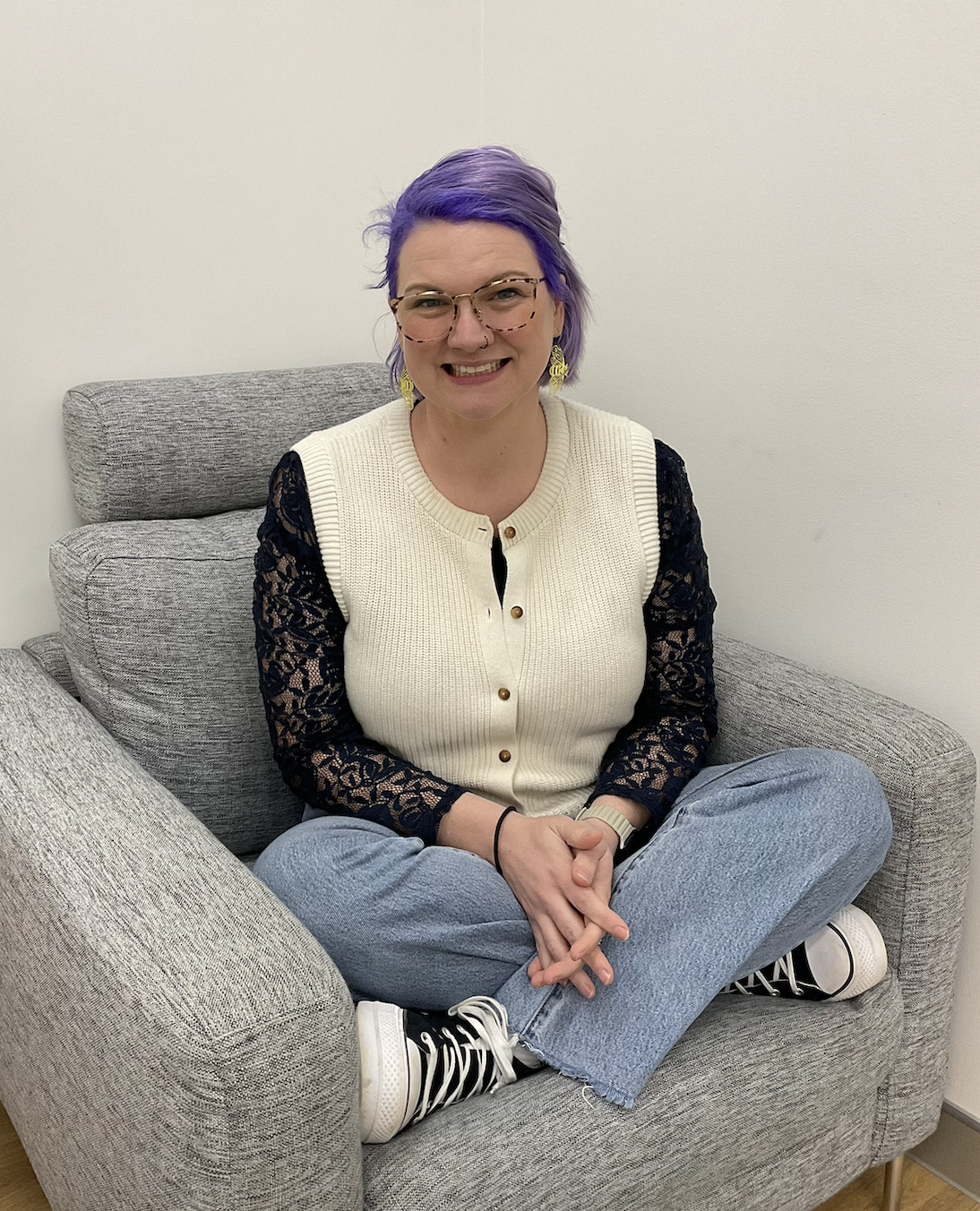
Brianna Thomas (she/her)
Self-Care Isn’t Optional: Nervous System Safety as the Foundation of Neurodiversity-Affirming Care
Brianna Thomas is an AuDHD Clinical Psychologist, Co-Director of The Psych Hive, and PhD Candidate at OTARC (Olga Tennison Autism Research Centre), La Trobe University. Her research focuses on neurodiversity-affirming autism assessment. Brianna works primarily with autistic and ADHD children, adolescents, and adults, integrating creative and play-based approaches into therapy.
She is passionate about supporting clinicians to create safer, more affirming therapeutic spaces for neurodivergent people. Brianna also hosts the podcast AuDHD IRL, where she explores lived experiences of neurodivergence. Outside of psychology, she is a musician, enthusiastic earring collector, and proud dog mum to two very fluffy bordoodles.
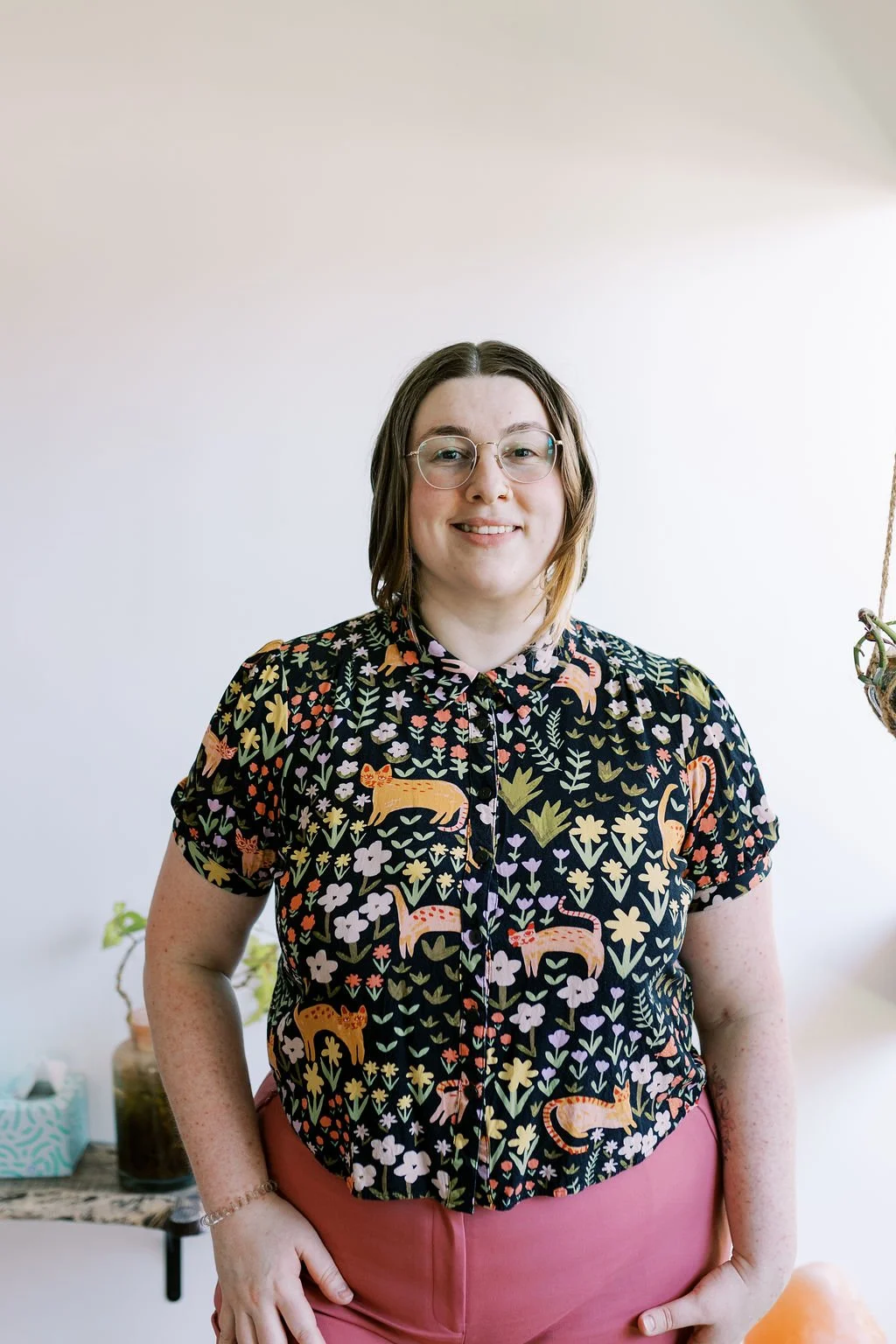
Caitlin Hughes (she/they)
Research Symposium: Whose Knowledge Counts? Bridging Lived Experience and Clinical Practice in Autistic Adult Mental Health Research
Online Session: Survival to Self-Leadership: Reclaiming Personal Power Within Neurodivergent Lives
Caitlin Hughes (she/they) is a multi-exceptional (Autistic, ADHD, PDA, Gifted) Accredited Mental Health Social Worker (AMHSW), researcher, and founder of Cathartic Collaborations, a neuroaffirming practice based in Meanjin (Brisbane). Caitlin supports neurodivergent adults through therapy and professional supervision, with a focus on identity, burnout, and sustainable ways of living and working.
Caitlin is currently a PhD candidate at Queensland University of Technology (QUT). Their research explores autistic adult mental health and neuroaffirming practice through Participatory Narrative Inquiry, informed by Critical Autism Studies and neuroqueer theory. The project is guided by an advisory group of autistic adults and brings together the perspectives of autistic service users and allied health professionals through a participatory research design. By placing lived experience and clinical knowledge into dialogue, the research examines how more neuroaffirming approaches to autistic mental health care can emerge.
Alongside clinical practice and research work, Caitlin provides supervision to allied health professionals to support reflective, ethical, and neuroaffirming practice. Caitlin has presented at national conferences, delivered neuroinclusive training across sectors, and co-hosts Divergent Dialogues, a podcast and blog that blends research, lived experience, and professional insight to reimagine neurodivergent mental health.
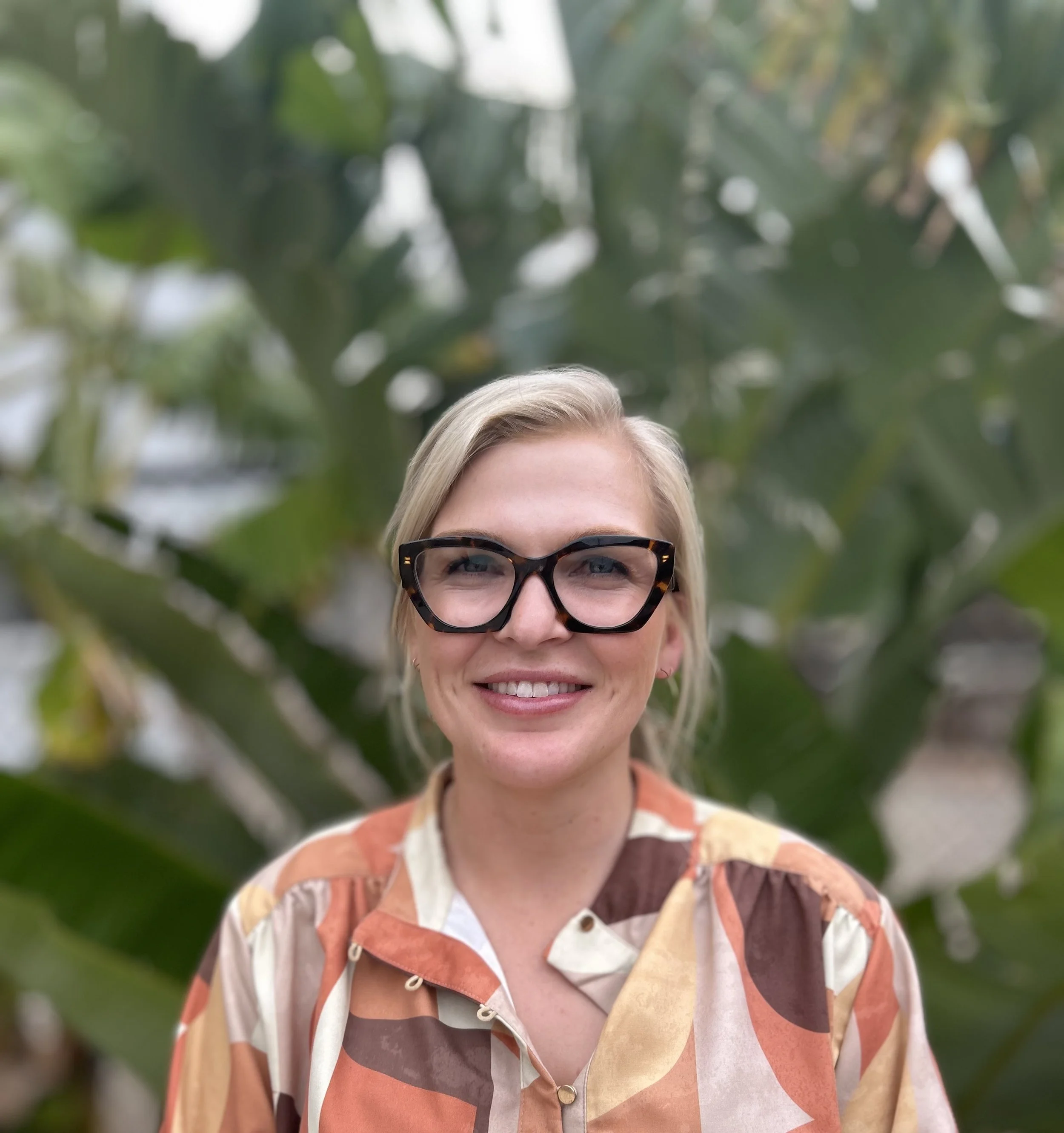
Casey Brocksopp (she/her)
Relational Foundations for Supporting Nonspeaking Neurodivergent Youth and Adults with Complex Support Needs
Casey is a Senior Speech Pathologist, private practice owner, Associate Lecturer, and a mother, with a background and interest in holistic support for people with high and complex support needs across disability support, allied health, and community contexts. My work focuses on supporting communication autonomy for nonspeaking or minimally speaking neurodivergent youth and adults through attuned, relational approaches to communication access needs and AAC.
My practice centres on attunement as a core foundation of communication support. I am particularly interested in how lived experience, existing communication, co-regulation, shared meaning-making, and being-with the person in interaction shape meaningful, autonomous communication. I love to unpack the relational foundations that are frequently overlooked, including exploring potential unconscious ableism and how approaches that prioritise introducing aided AAC too early can inadvertently inhibit communication and reinforce neuronormative expectations.
Drawing on both professional and lived experience, I aim to support a shift toward neurodiversity-affirming practice that centres autonomy, relational safety, and responsiveness. My work sits at the intersection of AAC, complex support needs, and neurodiversity-affirming frameworks, with a growing focus on more relationally grounded approaches within communication support.
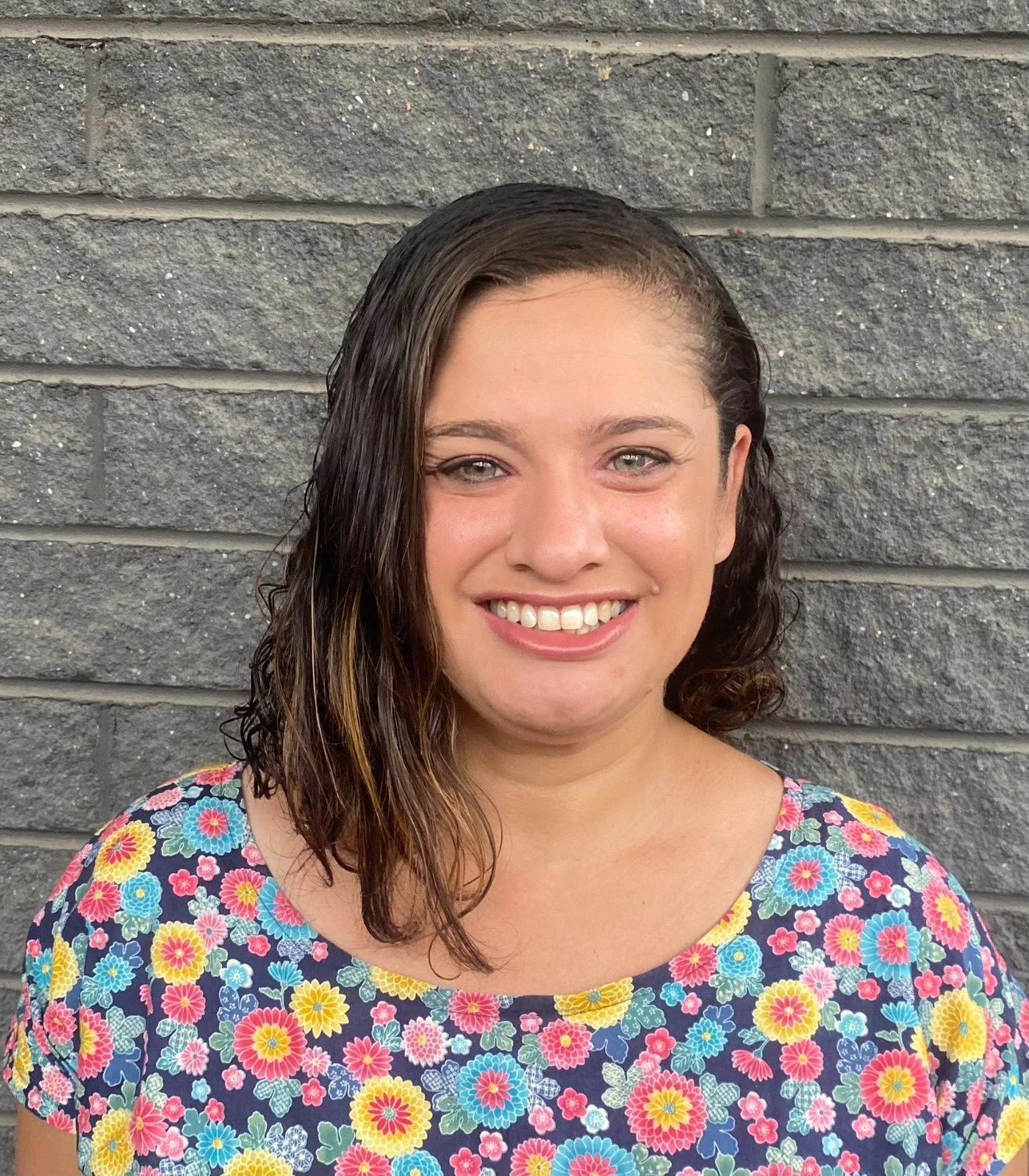
Cath Fernando
LOAPAC Lived Experience Practitioners Symposium: Spoons Advocacy
Cath Fernando is a neurodivergent speech pathologist, educator, and advocate behind Spoons Advocacy, on a mission to reshape how the world understands neurodivergent brains. Based in Melbourne and bringing a unique background as a former engineer, she blends lived experience with professional insight to challenge stigma and champion inclusion. Through workshops, resources, and speaking engagements, she supports parents, teachers, clinicians, and workplaces to embrace neurodiversity from a strengths-based perspective. Passionate about dismantling deficit-based models, Cath’s work centres understanding, self-advocacy, and genuine inclusion, because every brain is valid, and support should feel affirming, empowering, and human.
Claire Barbagallo (she/her)
Online Presentation: Working Systemically with Neuroqueer Families: A Courage-Based Framework for Affirming Practice
I'm Claire (she/her). I'm a neurodivergent speech therapist and clinical family therapist who is deeply passionate about supporting neuroqueer individuals and families. I have worked across Child and Youth Mental Health Services and contributed to the early development of the Queensland Children’s Gender Service, where I established the speech therapy role.
I am the co-owner of The Courageous Space, where we work with individuals, couples and families through a systemic, affirming lens.
Alongside my clinical work,I have lectured speech therapy students at university level, supervised both new graduates and experienced clinicians, and presented at conferences including AUSPATH and the AAFT. I also enjoy delivering professional training and workshops to create more affirming environments for neuroqueer people.
I am a lifelong learner, enevr an expert, and committed to ongoing growth, curiosity, and reflective practice.
Christine MacInnis (she/her)
Online Presentation: Persistent Demand for Autonomy (PDA) and Trauma Recovery with EMDR: What Clinicians Need to Know to Reduce Harm
Christine MacInnis is a licensed Marriage and Family Therapist in CA, AZ, and OH, and owner of Transcends Family Therapy in Torrance, CA. Her practice focuses on affirming LGBTQIA and Neurodivergent-affirming trauma work and Neurodivergent-affirming relationship coaching. She is certified in EMDR, an approved consultant with EMDRIA, and provides advanced training, education, and consultation on ND-affirming EMDR practices. It is her passion that as an AuDHD with a PDA profile, that clinicans understand and support trauma work in an affirming way with others who are neurodivergent. Her first training, Special Considerations for EMDR with Autistic and ADHD clients, was one of the first ND affirming trainings offered by EMDRIA in 2022. She has had several training sessions that followed, focusing on PDA, RSD, Autistic burnout, masking, and other presentations within neurotypes that require adaptations to make EMDR more affirming.
She is currently co-authoring a book titled Neurodivergent Paths to Healing: Affirming EMDR and Parts Work for Autistic and ADHD Clients, to be published by Norton Publishing in early 2027. More information about Christine and her work can be found on her website
Damian Griffis (he/him)
Panel Discussion: Neurodivergence in First Nations Communities: Insights from Lived Experience and Community Engagement
Damian Griffis is a Worimi man and a leading advocate for the human rights of Aboriginal and Torres Strait Islander people with disability. He is the Chief Executive Officer of First Peoples Disability Network and has been a part of FPDN since its inception.
Damian has been a central figure in the establishment of both the Aboriginal Disability Network NSW and FPDN. He represents FPDN at regional, national and international forums.
Damian has also won multiple awards including the Tony Fitzgerald (Community Individual) Memorial Award at the Australian Human Rights Awards in 2014, and the Lesley Hall Award for Lifetime Achievement by the Disability Leadership Institute in 2025.
Professor Dawn Adams (she/her)
Research Symposium: Listening to Lived Experience: Rethinking Research on School-Based Mental Health Support for Autistic Students
Dawn is the Endowed Chair at the Olga Tennison Autism Research Centre (OTARC) at La Trobe University. She is also neurodivergent and a clinical psychologist. Dawn has collaborated with the community on research that focuses on improving the mental health, wellbeing, and quality of life of autistic people across the lifespan.
Dawn’s work is grounded in participatory and neurodiversity-affirming research practices that centre autistic perspectives and lived experience. She frequently collaborates with autistic researchers and community partners to ensure research priorities and outcomes reflect what matters most to autistic people and their families. Key example is the MRFF-funded Bloom project, a co-produced parent support program designed to improve wellbeing and quality of life for young autistic children and their families, and the recent co-development of National Guidance for Best Practice Inclusive Education for Autistic Students.
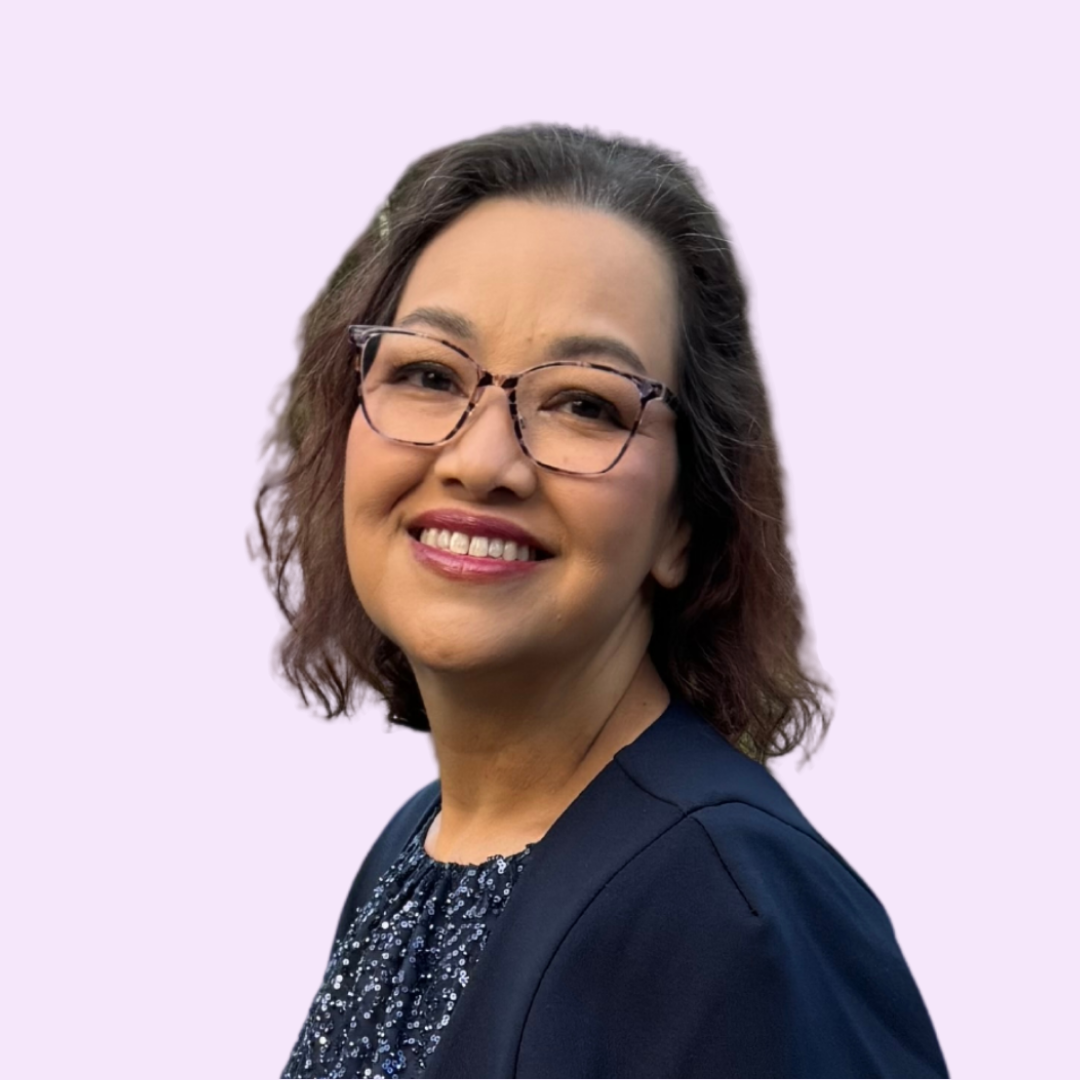
Denise Abreu (they/them
Online Presentation: Professionalism Is Not Neutral: Neurodivergent Practice Ownership as Systems Disruption
Den Abreu (they/them) is a multi‑racial, NeuroQueer Psychologist, Psychosexual Therapist, Psychology Board Approved Supervisor, Public Speaker, and Private Practice Owner living and working on the unceded lands of the Turrbal and Yagara peoples on Meanjin land. Multiply neurodivergent and a member of, and ally to, LGBTIQAPSB+ communities, Den brings lived experience together with clinical and leadership expertise into conversations about wellbeing, work, power, and belonging.
Den is the CEO and Principal Psychologist of Haven Psychology, where they lead values‑driven, identity‑affirming practice across clinical services, supervision, and organisational systems. Their work focuses on translating ethics and inclusion into practical infrastructure—particularly in private practice, supervision, and leadership contexts where “professionalism” and performance are treated as neutral.
Through public speaking, training, and consultancy, Den supports organisations to move beyond accommodation and towards intentional system design that reduces harm, burnout, and exclusion. Their approach centres clarity, accountability, and collective responsibility, with a commitment to building workplaces where neurodivergent people can participate without masking or moralisation.
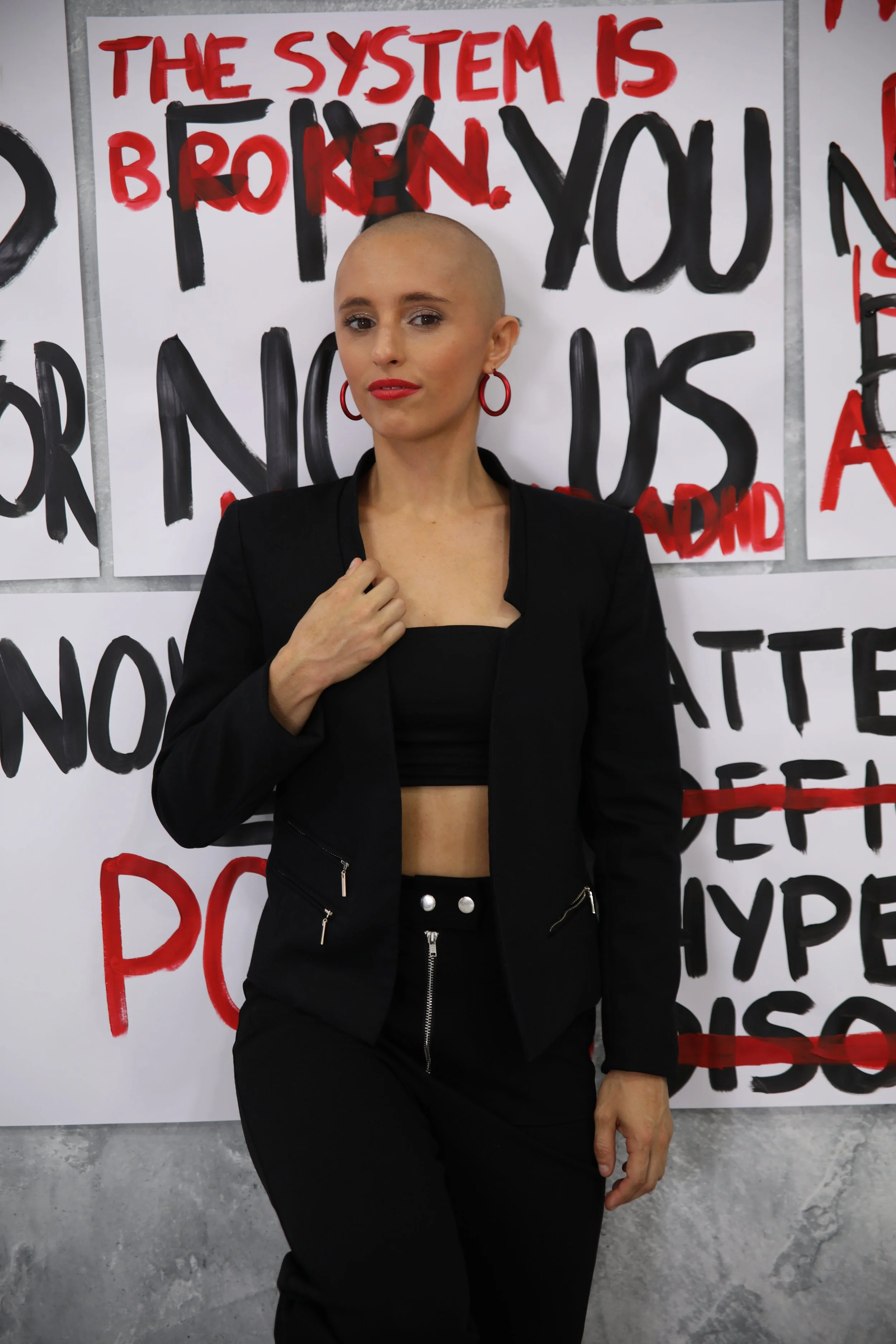
Georgia Zentrich (she/they)
Online Presentation: 5 Ways to Use ADHD Strengths
Georgia (she/they) is an ADHD Educator, Youth Peer Worker and DJ. She completed a Bachelor of Psychology (Honours) at UOW in 2018 and began her career in youth work, having worked at headspace for 4 years as a Vocational Specialist & Youth Peer Worker. In her Peer Work role with headspace Shellharbour, Georgia is recognised by her team for providing neuro-affirming support to autistic and ADHD young people, creating a safe space for them to be themselves.
Georgia started her ADHD Educator business after seeking support for her own ADHD and finding she wasn't believed by mental health professionals. She completed her 11,000 word Honours thesis on the brain activity of males with Inattentive ADHD, revealing a gap between professional understanding and lived experience which inspires her work. She has presented at the My Spirited Child ADHD Conference and Autistic Pride Day in 2024 and 2025, and presented a lived experience research poster at the Australian ADHD Professionals Association Conference in 2025, contributing to clinician awareness of ADHD affirming practices.
She's launched 5 businesses in 4 years, winning her first business award at 25. She also DJs as 'DJ Sinner G', playing at sold out Mardi Gras events for four years in a row and on international cruises. When she's not yapping about ADHD or playing the Nutbush, you'll find her at the beach or eating Guzman Y Gomez.
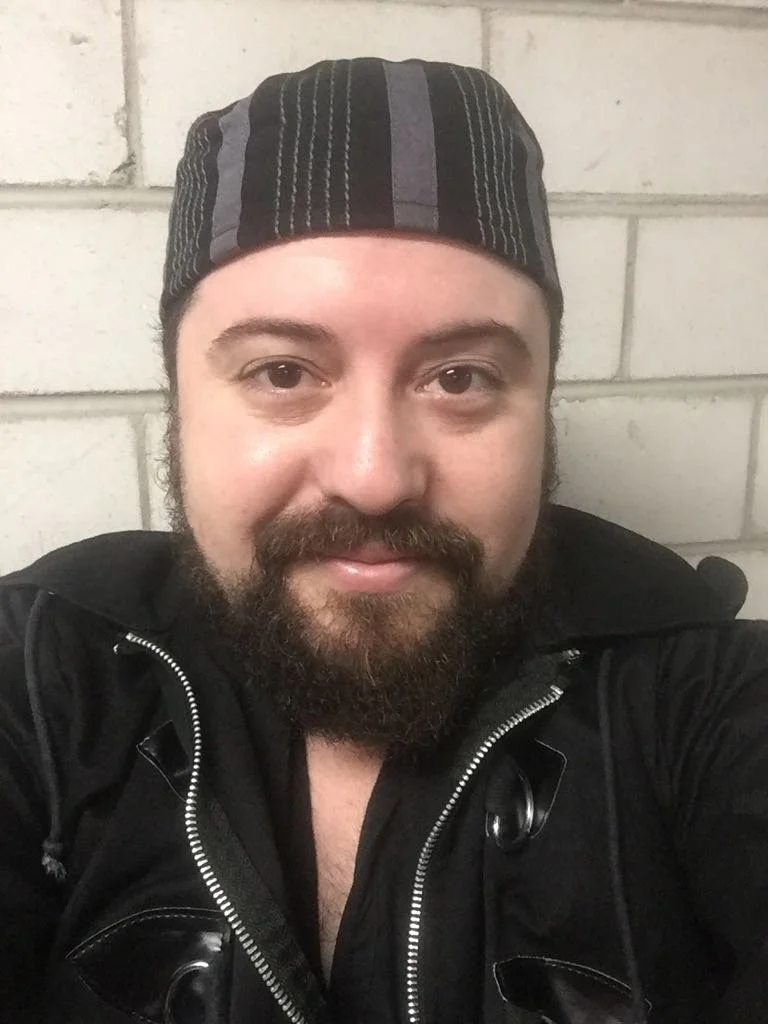
Dr Gávi Ansara (he/him)
Online Presentation: Reframing Executive Functions in an Exclusionary Overculture: An Anti-Oppressive Framework for Neurodivergent Liberation
Dr Gávi Ansara (he/him) (PhD Psychol, MSc, MCouns) on unceded Wurundjeri Country: I am a queer, androsexual, polyamorous, neurodivergent polyennic (<-Raven Cochrane's de-pathologised approach to "ADHD") psychotherapist with multi-racialised polycultural heritage. My anti-oppressive, anti-racist, transfeminist, trauma-and-violence-informed, social justice-oriented practice approach prioritises people and communities marginalised by mal-developed colonialist overcultures. I hold dual Clinical Supervisor accreditation, advanced supervision specialisations in Family Violence/Partner Abuse and Relationship and Family Therapy, and Pink Therapy advanced accreditation in affirming therapeutic practice with marginalised genders, sexualities, bodies, and relationships (AAGSRDT).
I completed certifications in complex trauma, grief, and End of Life Doula care. I have living experience of chronic pain, disabilities, and being targeted with white-supremacist, gender-based, and sexuality-based violence. My lived experiences include homelessness, migration, intergenerational forced displacement, poverty, and being targeted for intimate partner abuse and endosexist medical violence. I strive toward accountable solidarity regarding my literacy, educational, sighted, speaking, allistic (non-Autistic), binary gender, situationally lighter-skinned, singleton (not a plural person), and non-Aboriginal privileges. I serve as founding director of Centre for Liberating Practices, a global virtual hub supports people seeking non-violent, non-coercive, and creative ways to challenge oppressions and cultivate thriving communities through groups, courses, workshops, resources, and events.
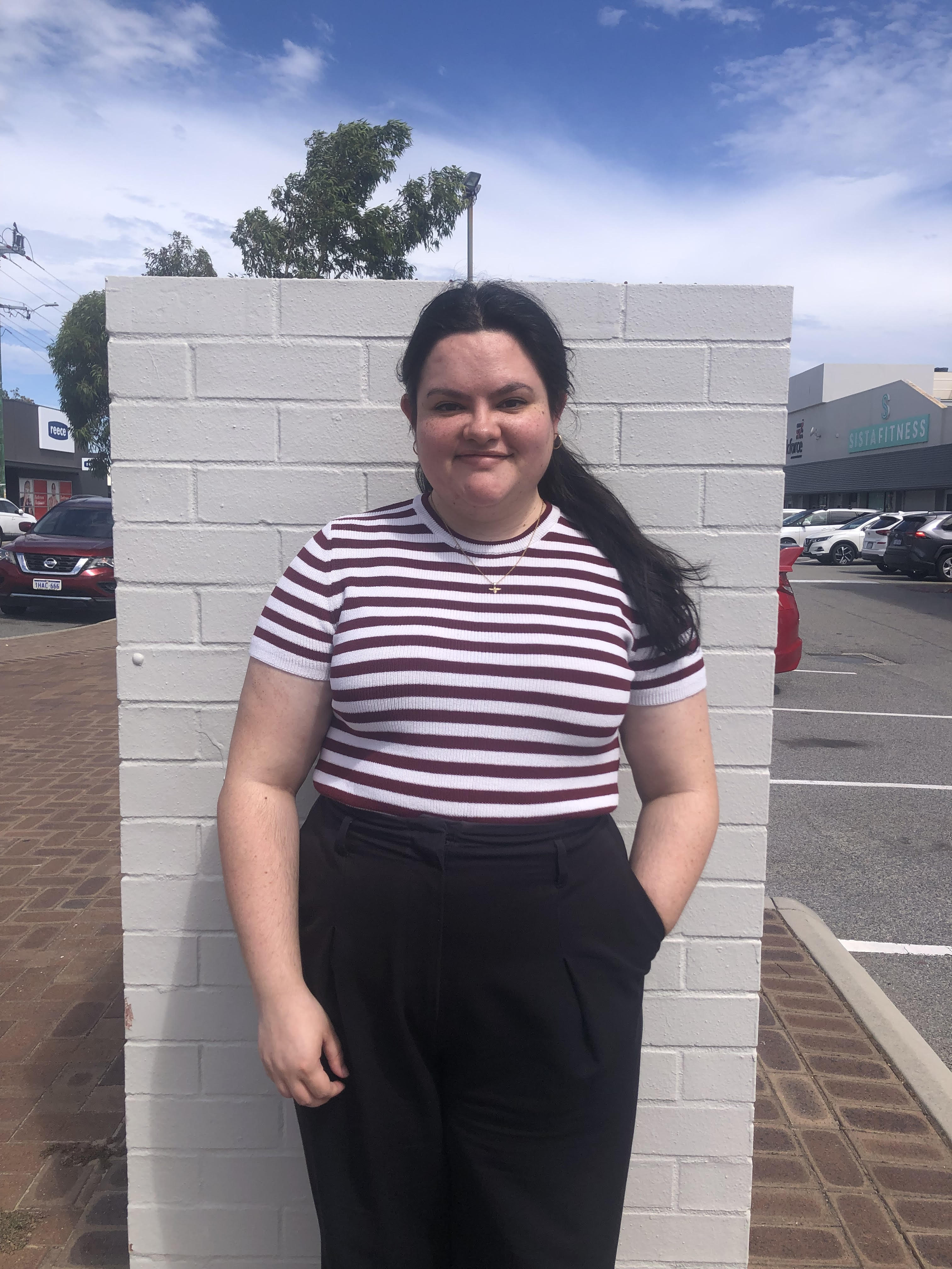
Hannah Kamarudin (she/her)
Online Presentation: "They're Talking About us Like We're Not Even Here": Balancing a Neurodivergent and Provisional Psychologist experience
Hannah Kamarudin (she/her) is an early career Autistic psychologist who has recently completed her 5+1 internship, working in private practice on Whadjuk Nyoongar land in Boorloo/Perth, WA. Her professional interests include neurodivergence, eating disorders, and supporting the queer and trans communities. Specifically, Hannah enjoys working at the intersection of the neurodivergent and queer community from both a professional and lived experience lens and framework.
Hannah has served on community expert co-creation and review panels for research into Autism, and frequently provides peer support to other early career psychologists exploring neuroaffirming practice for the first time after university. Her work is informed with 15+ years of activism, advocacy, and education work for disability, racial, gender, and sexuality justice.
It was through this experience in advocacy and activism work that, after completing her Masters in Professional Psychology, Hannah was able to successfully lobby to present the first neurodivergent-led neuroaffirming practice lecture in the Masters program of her alumni university. informed by research, clinical practice, and community lived experience.
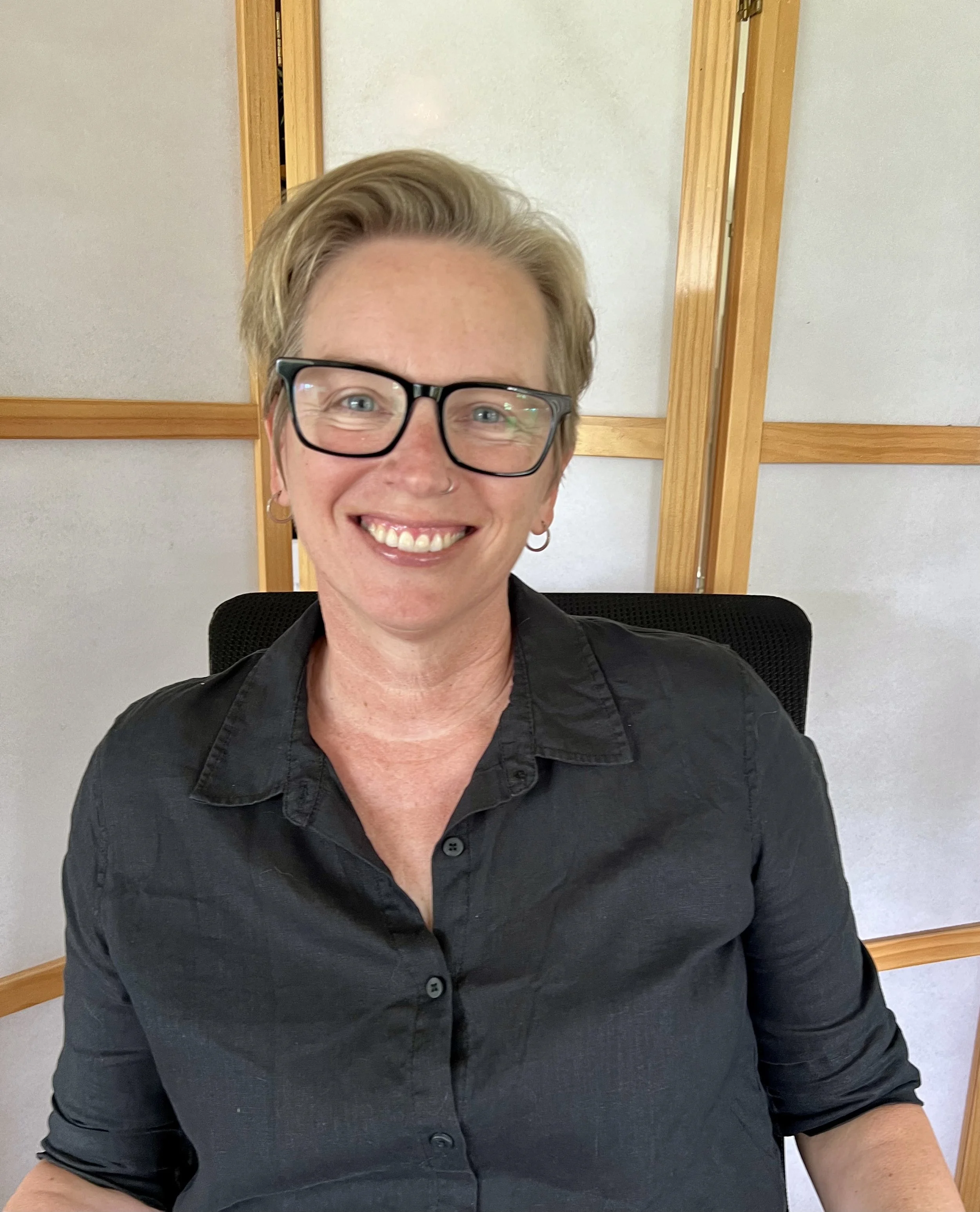
Inga Koops (she/her)
LEANS Australia: Neurodiversity-Affirming Education for Primary Schools
Inga Koops is Program Lead for LEANS Australia at Reframing Autism, where she facilitates the adaptation of the LEANS (Learning About Neurodiversity at School) program - originally developed by the University of Edinburgh - for Australian classrooms.
Working alongside a neurodiverse advisory group of educators, young people, First Nations representatives, and neurodivergent adults, Inga ensures the program genuinely reflects the diversity of Australian schools. LEANS Australia addresses a real national gap: helping students understand and value different ways of learning. Delivered by classroom teachers to whole classes, it reduces stigma, builds inclusion, and supports Australia's Disability Strategy 2021–2031.
At Reframing Autism, Inga bridges community insight and evidence-informed practice through the LEANS Australia program, developing accessible, teacher ready resources that enable neurodiversity affirming practice. She brings this same commitment to her PhD research at the University of Southern Queensland, which explores how higher education can foster neurodiversity-affirming cultures. Her work centres on participatory research and collaboration with neurodivergent scholars.
Inga also finds joy in art, music, and stories that explore diverse perspectives - and recharges by the water or deep in a Nordic noir.
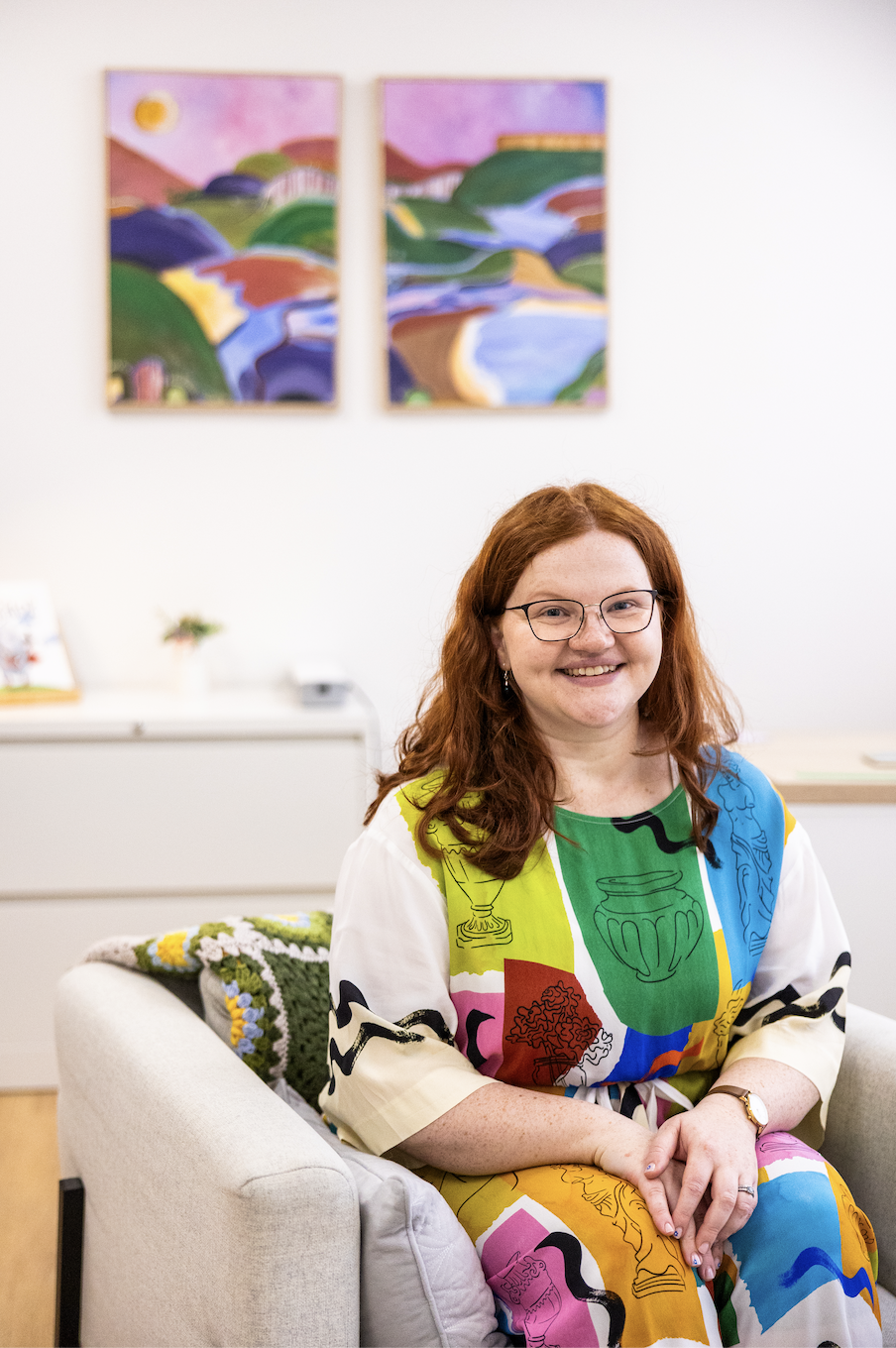
Dr Jade Goodman
Self-Care Isn’t Optional: Nervous System Safety as the Foundation of Neurodiversity-Affirming Care
Dr Jade Goodman is a Clinical Psychologist, board-approved supervisor, and Co-Director of The Psych Hive. She works with AuDHD and otherwise neurodivergent children, families, and adults, and is dedicated to advocating for neurodiversity-affirming and accessible care.
Her vision for The Psych Hive was to create a safe, inclusive space for clinicians of all neurotypes. Jade is committed to making the mental health field more sustainable and supportive for all therapists and clients. Outside of work she is an avid traveller and budding illustrator.
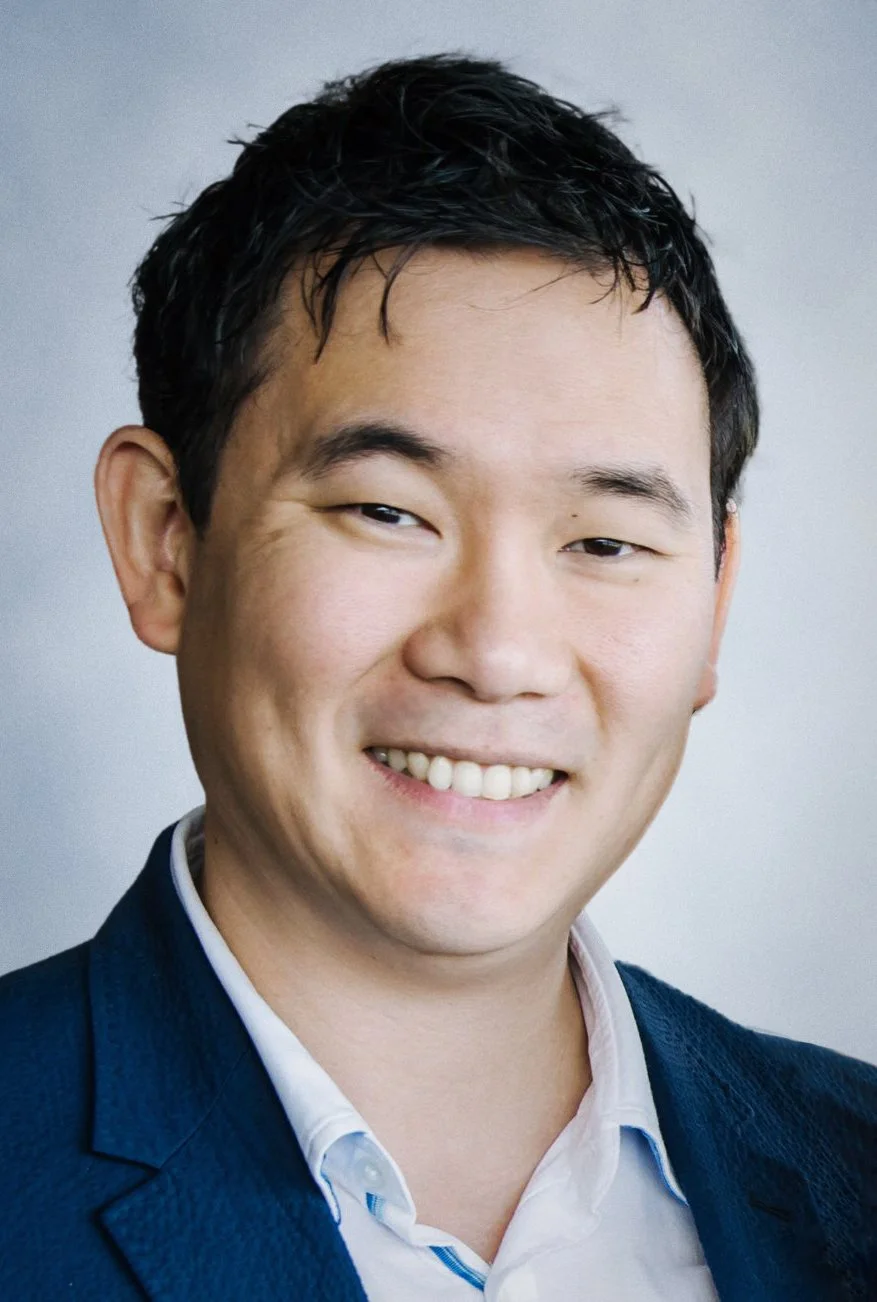
Dr Jason Lam (he/him)
Panel Discussion: Autism and Chronic Health Conditions: Beyond the Basics
Jason was originally a professional dancer and artist before collapsing a lung and decided medicine sounded fun after watching a Scrubs marathon whilst waiting for his lung to reinflate. He studied medicine at Flinders University in South Australia before working in both Plastic Surgery and Dermatology in the Northern Territory and New South Wales Tertiary hospitals. He endeavours to ensure a holistic and collaborative approach to patient care, helping them achieve their goals.
He is a neurodivergent philomath with interests in surgery, dermatology, sports medicine, dinosaurs, the assessment and management of skin cancer, general medicine, pain, chronic wounds and complex cases. He likes to think of himself as a less pathologic ‘Dr House’ and thrives on diagnostic challenges and seeking answers for complex and difficult to diagnose conditions. He deeply understands the realities of navigating complex, often misunderstood conditions having had lived experience of hypermobility, orthostatic hypotension/POTS and ME/CFS post septic shock - 0 stars do not recommend. He has a special interest in Hypermobility, Ehlers-Danlos Syndrome (EDS), dysautonomia, Mast Cell Activation Syndrome (MCAS), FND, PANS/PANDAS and is proud to be a part of The Australian EDS and HSD Network.
He gained his Fellowship in General Practice and has also completed a Diploma of Child Health, a Certificate in Practical Dermoscopy from the Australian College of Dermatology and a Master’s of Sports Medicine. He was the inaugural Crichton Dance Medicine fellow with the Australian Ballet. He is a registrar with the Australian College of Sport and Exercise Physicians and is involved in medical education, publication and research. He is committed to ongoing professional development and is privileged to work alongside some of the best across many fields.
He has been trotted out at various conferences and graduations to deliver keynotes and now has an over inflated sense of self importance.
Outside of medicine, Jason enjoys time with his young family, riding his mountain bike with questionable skill; producing dreadfully pretentious short films, photography and custom jewellery.
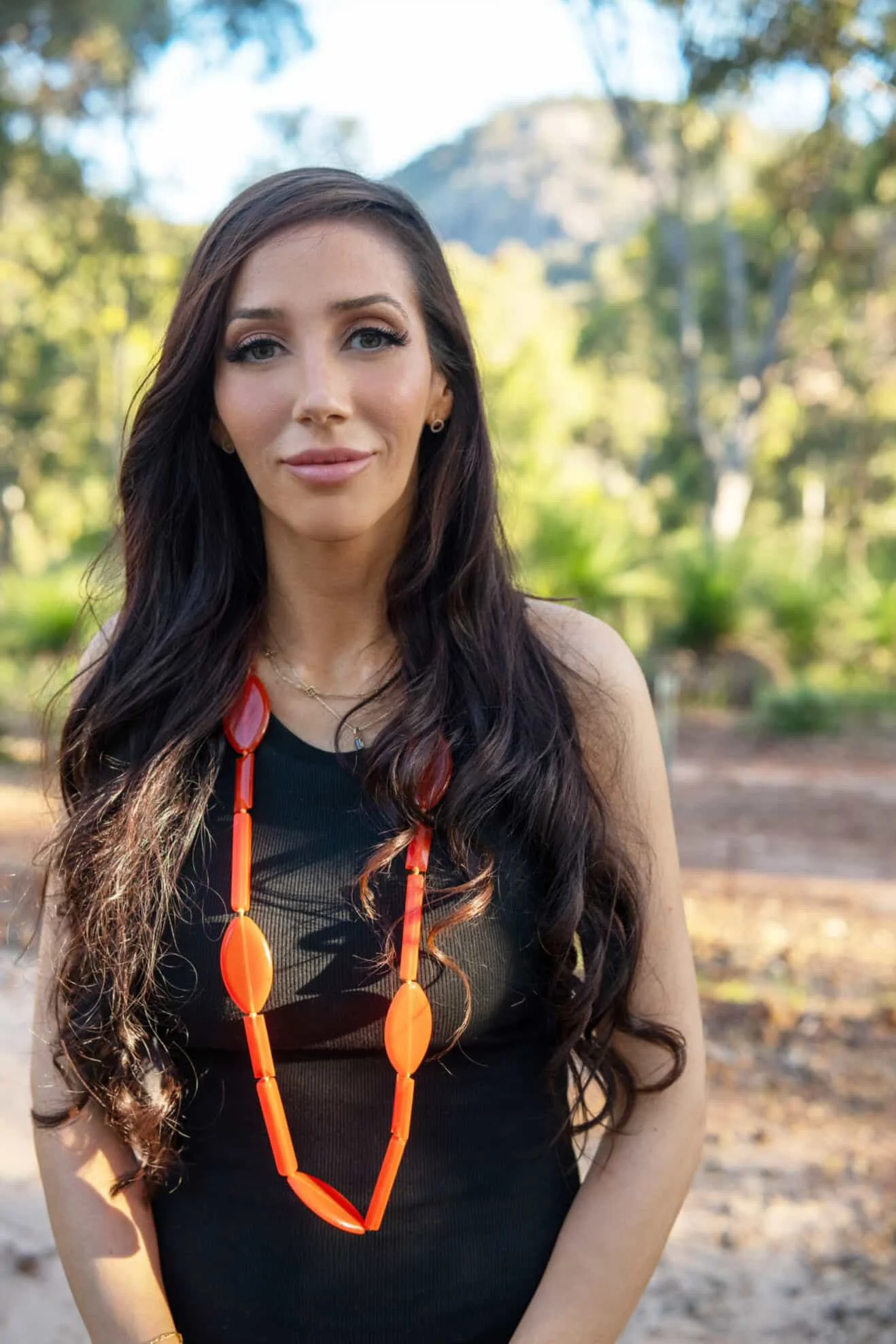
Jessica Benson-Lidholm (she/her/they)
Situational Mutism and Beyond: Communication Access as Collective Responsibility
Jessica Benson-Lidholm (she/her/they), known as Jess, is an AuDHD PDAer registered psychologist based in Australia, with lived experience of situational mutism since childhood. Jess lives and works on Whadjuk Noongar Country and acknowledges the Whadjuk Noongar people as the enduring custodians of this land.
Drawing on both clinical training and lived experience, Jess’ work centres neurodiversity-affirming, trauma-informed approaches to therapy, assessment, and community education. She is known for her commitment to challenging speech-centred and deficit-based models within mental health and education.
In practice, this has involved supporting individuals, couples, and families through therapy alongside neurodevelopmental assessment across the lifespan. Across this work, Jess is especially passionate about supporting people navigating complex intersections of neurodivergence, trauma, disability, chronic illness, identity, culture, and marginalisation.
In addition, she contributes to the neurodiversity-affirming community through education, writing, and advocacy aimed at improving communication access. This work also extends to the development of accessible clinical tools, including the ND Feels Wheel, designed using language that reflects neurodivergent experiences and communication styles.
Her key areas of interest include Autism, ADHD, AuDHD, OCD, bipolar, voice hearing and related experiences, addiction, chronic health conditions, eating and feeding experiences, relational trauma, situational mutism, PDA, multiplicity and plurality, and systemic work with families and dyads.
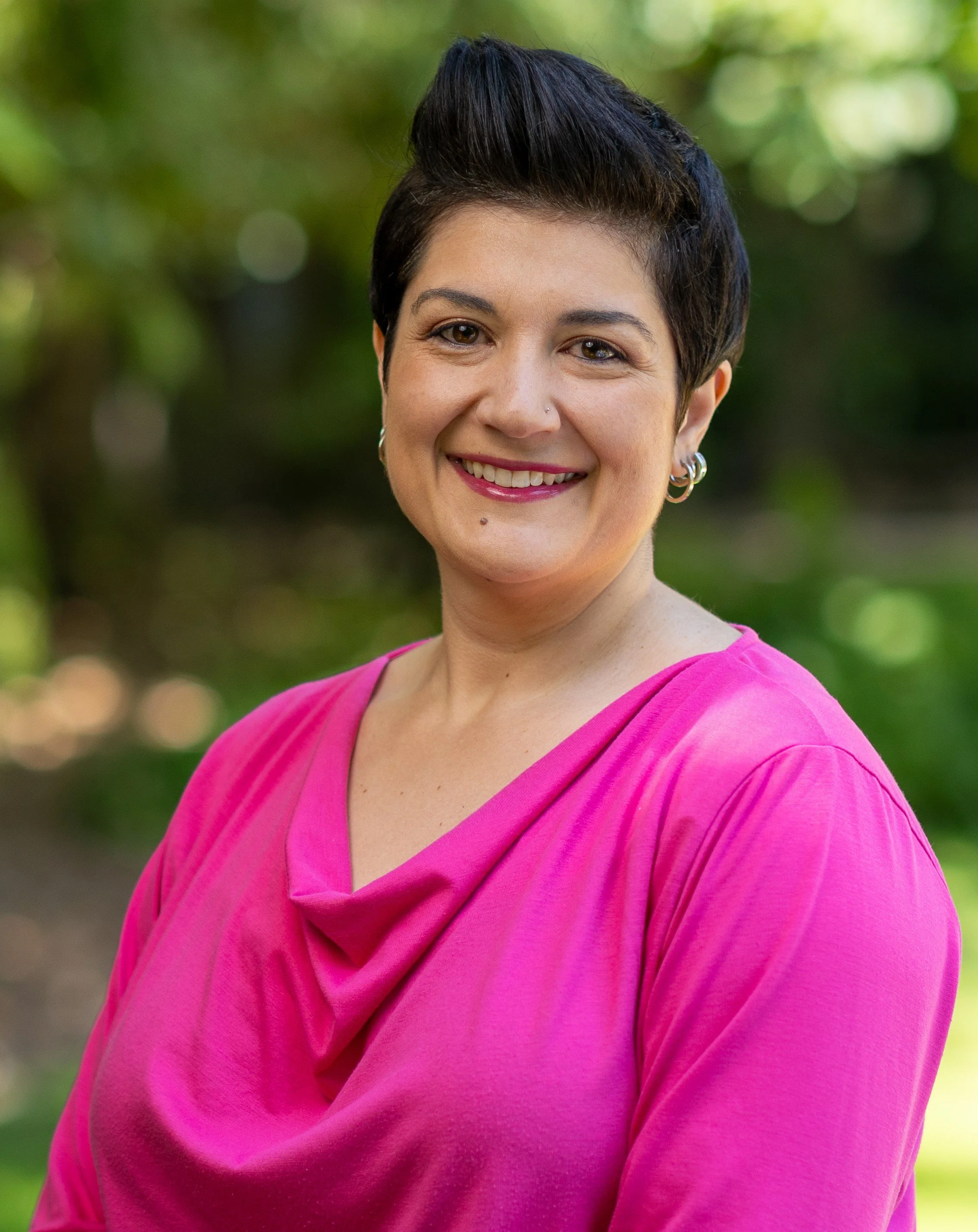
Associate Professor Josephine Barbaro (she/her)
Panel Discussion: Autism and Chronic Health Conditions: Beyond the Basics
Associate Professor Josephine Barbaro is a Principal Research Fellow and Neurodiversity Affirming Psychologist at the Olga Tennison Autism Research Centre, La Trobe University. She is co-founder of Australia's first 'Early Assessment Clinic' for autism, focusing on children under 3 years old. A/Prof Barbaro's research interests are in the early identification and diagnosis of autism in infants, toddlers, and pre-schoolers, family health and well-being following a diagnosis, and Neurodiversity Affirming research and practice.
A/Prof Barbaro pioneered an early detection method for autism known as Social Attention and Communication Surveillance (SACS). The SACS is the most successful tool for the very early detection of autism in the world, identifying Autistic children aged 11 to 30 months with an accuracy of 83%, and identifying 96% of all Autistic children by preschool age. Used amongst healthcare professionals around the world, the SACS program has led to ASDetect – the world’s first, empirically-based, early autism detection mobile application for infants and toddlers, winning Research and Development Project of the Year at both the State and National iAwards (2016), and was one of ten finalists for the 2016 Google Impact Challenge.
A/Prof Barbaro is a Sir Robert Menzies Scholar and President of the Australasian Society for Autism Research (ASfAR). She has won numerous awards for her work, including Best Translation of Autism Research by the Autism Cooperative Research Centre (2015 & 2016), the Business Higher Education Round Table Award for Outstanding Collaboration for National Benefit, Public Health (2019), and Autism Spectrum Australia's ARCAP Research to Practice Award (2022).
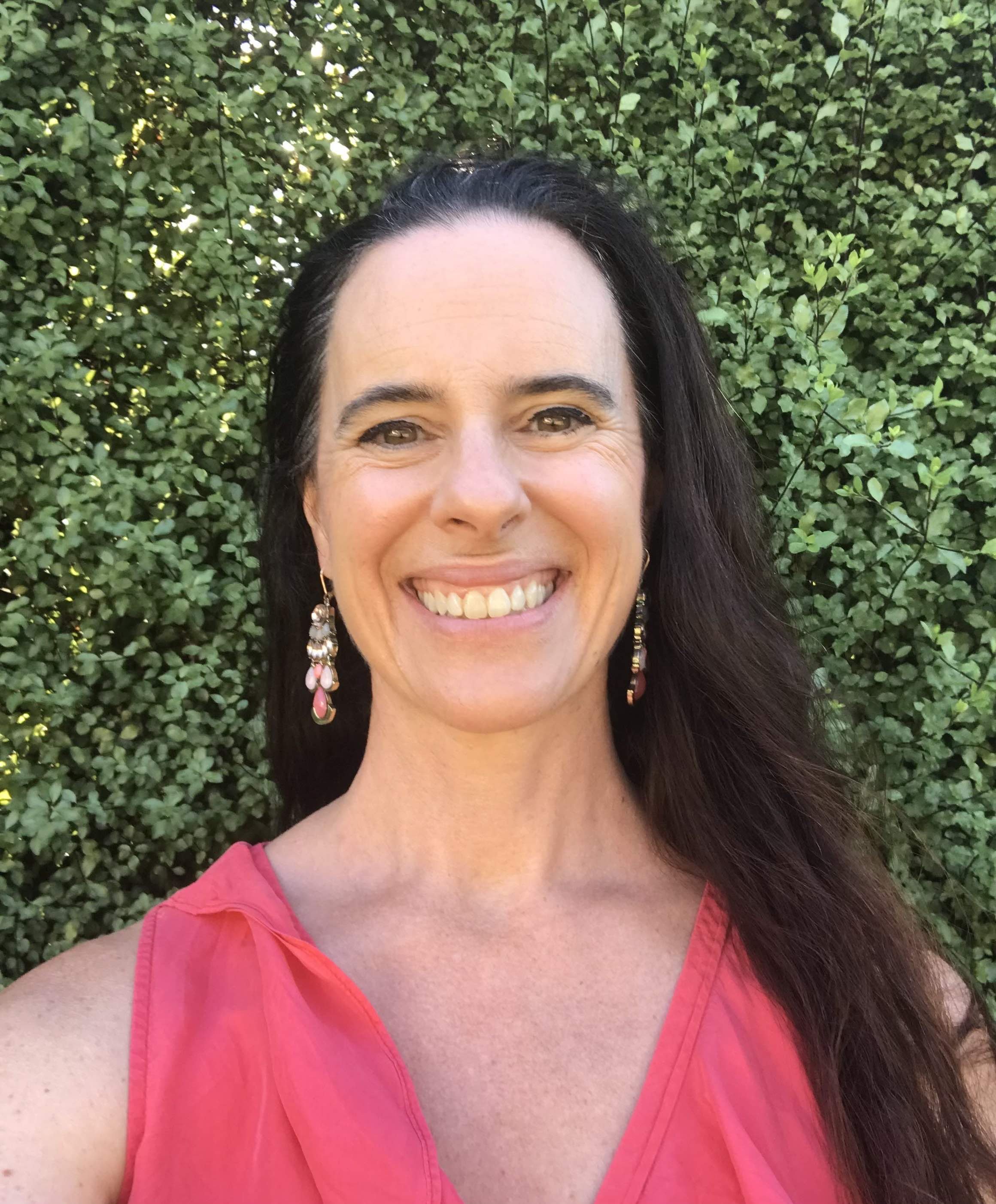
Kate Gore (she/her)
Research Symposium: Mental and Physical Health Outcomes of Autistic Working Parents Assigned Female at Birth (AFAB) – Comparisons Across Intersections of Neurotype, Caregiving, and Sex at Birth.
Kate Gore (she/her) is a PhD candidate at the Olga Tennison Research Centre and a neurodivergent Clinical Psychologist. Her PhD is focused on mental health and support for Autistic working parents assigned female at birth (AFAB). Her Masters’ research was the first known dedicated study in this area and was published by Autism in Adulthood in 2023. The qualitative study highlightedthe importance of work in supporting mental wellbeing, financial independence, and social support for Autistic working parents AFAB, whilst balancing challenges, including supporting the needs of their (often neurodivergent) children, managing workplace adjustments, and Autistic burnout. Participants also identified a lack of specialised support for Autistic working mothers.
The first study of her PhD was a scoping review examining existing literature on this topic and was published by Neurodiversity journal in 2024. Her second study is investigating mental and physical health outcomes for Autistic working parents, looking at intersections of neurotype, sex at birth, and caregiving. This study will be the focus of her presentation at the research symposium titled ‘Mental and Physical Health Outcomes of Autistic Working Parents Assigned Female at Birth (AFAB) – Comparisons Across Intersections of Neurotype, Caregiving, and Sex at Birth’.
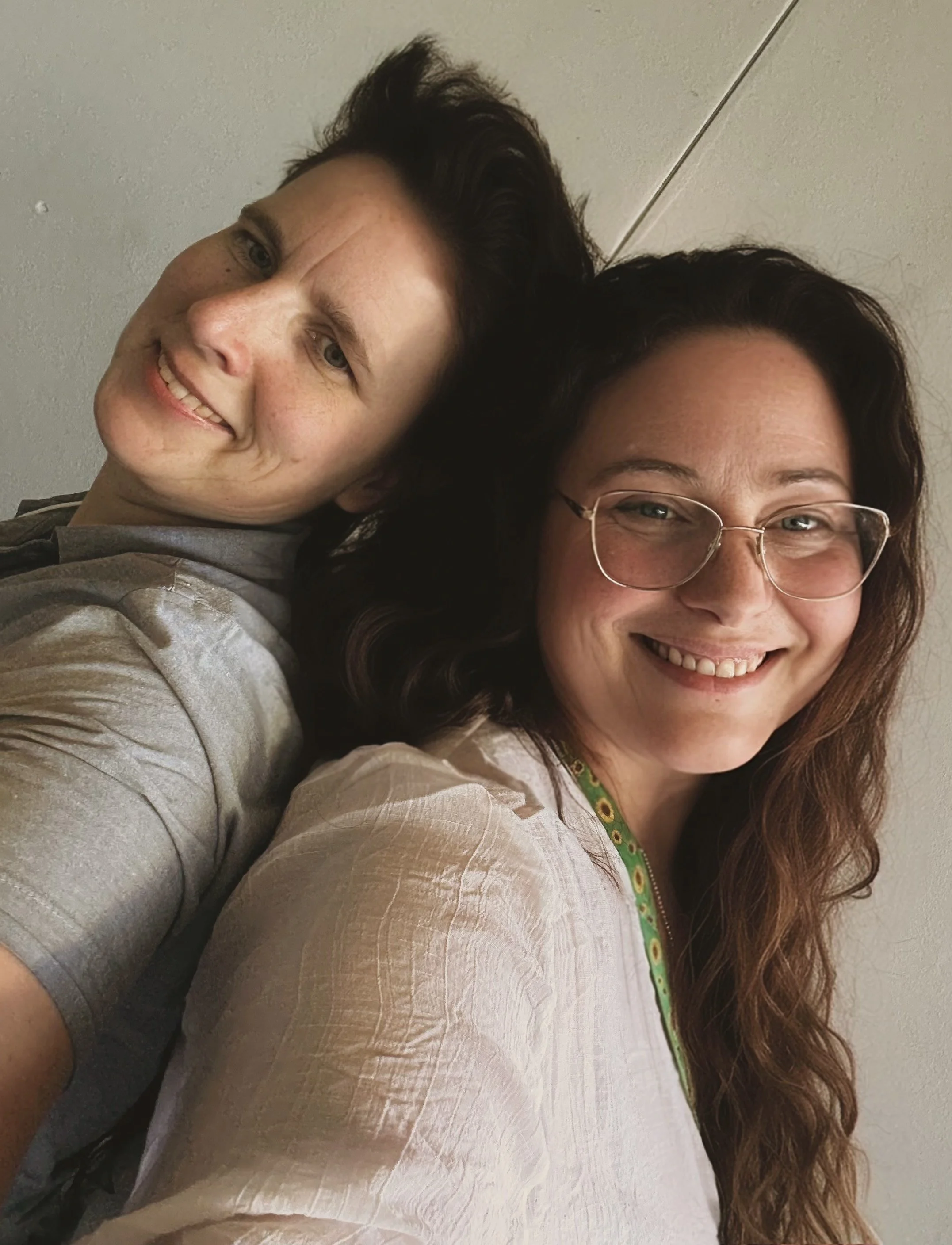
Kelly Bettridge & Sarah Gurin
LOAPAC Symposium Lived Experience Practitioners: Neurokind Insights .
NeuroKind Insights comprises of two polar opposites; the chaos - Kelly Bettridge, and the calm - Sarah Gurrin. They are two AuADHD practitioners and teachers on a mission to shake up the therapy world, joyfully and unapologetically. Together, they support neurodivergent individuals of all ages using interest-based, non-traditional approaches like LEGO to ensure that therapy is inclusive and equitable. Passionate about rejecting deficit-based models, they bring unmasked humour, heart, and creativity into their work. Their practice centres connection, co-regulation, and curiosity because therapy should feel safe, collaborative, and wonderfully neurodivergent.
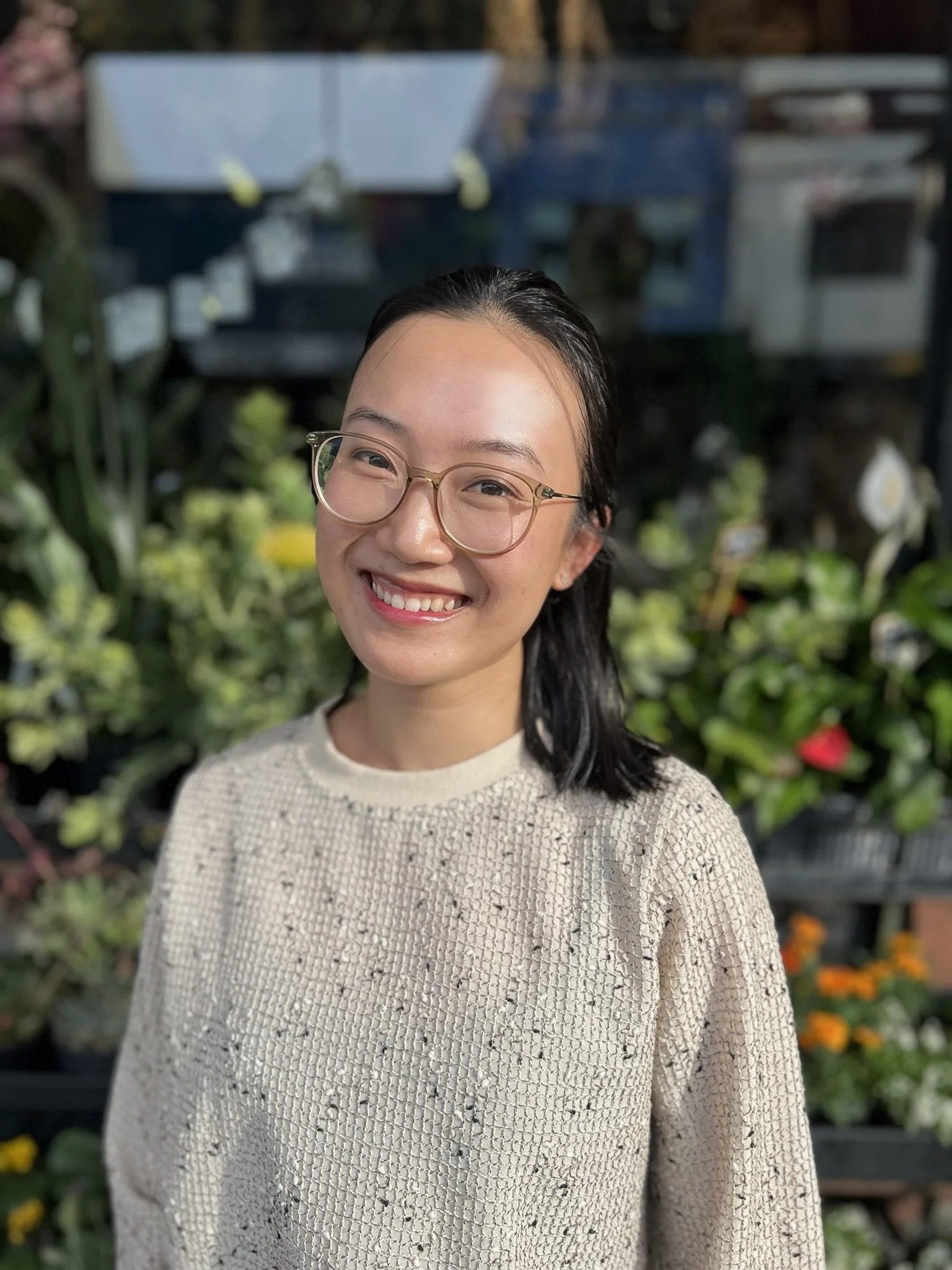
Kizzy Searle (she/her)
Online Presentation: Survival Psychosis and the Model Minority Trap: Truths from a System that Doesn't See Us
Kizzy Searle is an Asian-Australian Speech Pathologist and trauma-responsive practitioner operating at the intersection of clinical expertise and lived experience. Her work is deeply informed by her experience of C-PTSD, episodic psychosis, and neurodivergence, as well as the challenges of navigating Western systems as an Asian minority.
In her private practice and advocacy roles, Kizzy provides specialised training and clinical support that prioritises safety, autonomy, and genuine connection. Through a neurodiversity-affirming and trauma-informed lens, she is passionate about reframing altered states and distress as functional survival responses rather than deficits. By bridging her professional framework with her reality as a mental health consumer and intersectional minority, Kizzy provides an important perspective on systemic marginalisation and the transformative power of being truly seen and understood.
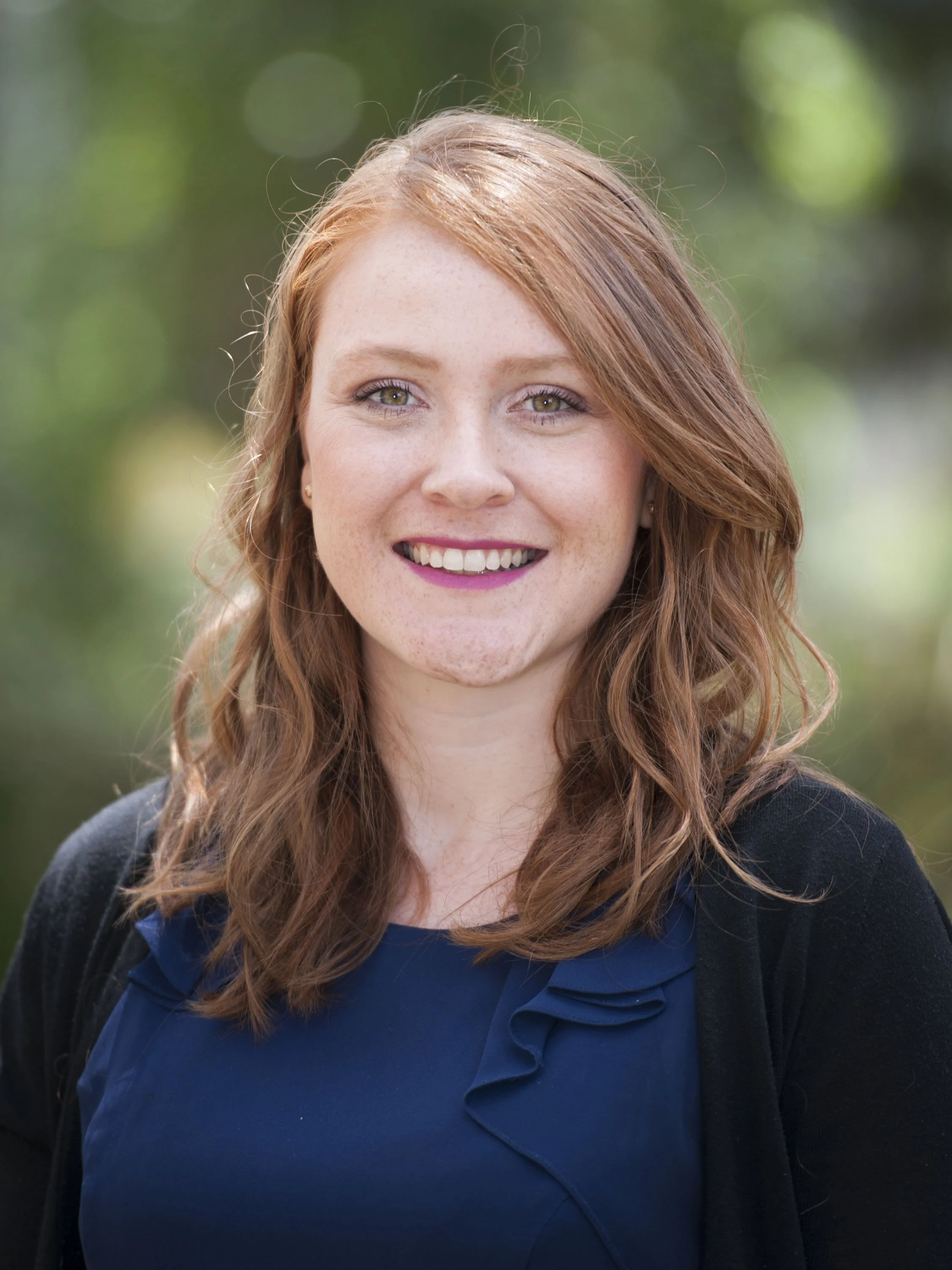
Dr Lauren Lawson
Research Symposium: When Difference is the Data: Rethinking Evidence for Neurodivergent Mental Health
Dr Lauren Lawson is a Clinical Psychologist and Senior Lecturer at La Trobe University and co-director of ACTUALISE Lab, a CBS research lab focused on bridging the research-practice divide through applied, stakeholder-informed research. For over eight years, she has applied CBS frameworks, including ACT, in clinical practice, teaching, and supervision, including training provisional psychologists in best-practice approaches for neurodivergent clients.
Her research program focuses on understanding and improving mental health outcomes for autistic adults, with particular emphasis on transdiagnostic mechanisms and contextual behavioural science approaches to intervention development. She is Past-President of the Australia and New Zealand Chapter of ACBS and has served on its board since 2023. Lauren has an established track record in leading multidisciplinary research projects from ethics approval through to data collection, analysis, and dissemination, and has published high impact papers (48 peer-reviewed articles, h-index 21).
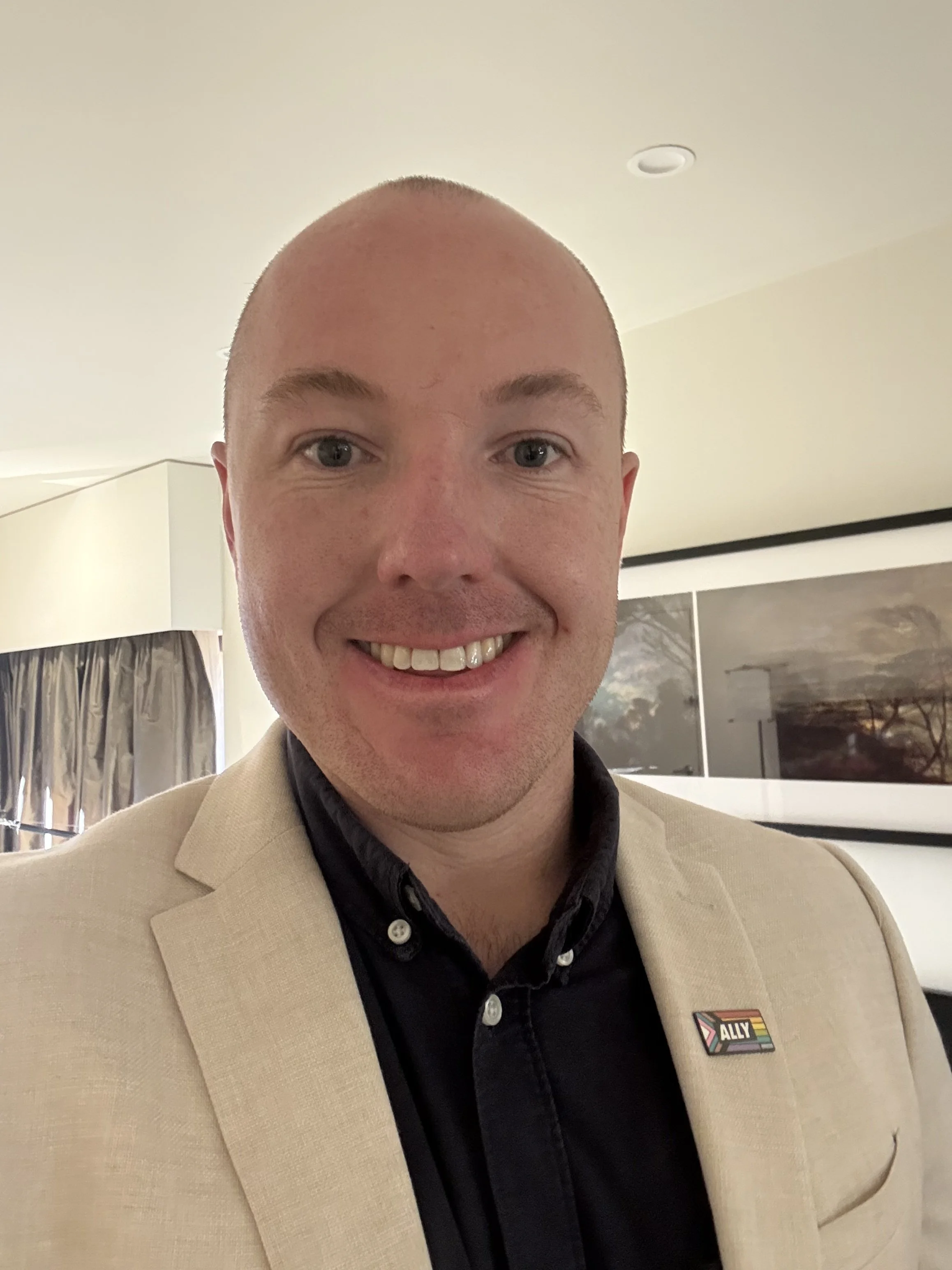
Liam Spicer (he/him)
Panel Discussion: Autism, Psychedelics and Psychedelic Assisted Psychotherapy
Liam Spicer (he/him) is a Senior Lecturer in Psychology, Psychologist, EMDR Trainer and Consultant, and Accredited ISST Schema Therapist with lived experience of being neurodivergent as an Autistic ADHDer. He is the course co-ordinator for Cairnmillars Postgraduate Certificate in Trauma Informed Care, and delivers EMDR level one training for Psychology Training. Liam has presented at both International and National conferences including in Europe, the United States, and Asia on the topics of EMDR, Schema Therapy, trauma, grief, Autism and ADHD and has delivered guest webinars and trainings for the EMDR Association of Australia, AAPi, Headspace, APS, and other organisations.
Liam has been a contributor to various international book projects, has published in academic journals including their paper with colleagues on Understanding Early Maladaptive Schemas in Autistic and ADHD individuals which has gained widespread international interest, and is currently apart of Australia’s first working group on developing clinical practice guidelines on MDMA-AP for PTSD and the utilisation of other psychedelic assisted therapies.
As a Psychologist he has a special interest in working with trauma, dissociation, grief, depression, phobias, and anxiety and predominantly works with Autistic and ADHD adults through a neuroaffirming lens. He is the director of the Neurodiversity Affirming Therapy Conference Australia, and is currently involved in several academic and research projects in this space. He has a passion for collaboration, connection, and creating systems change.
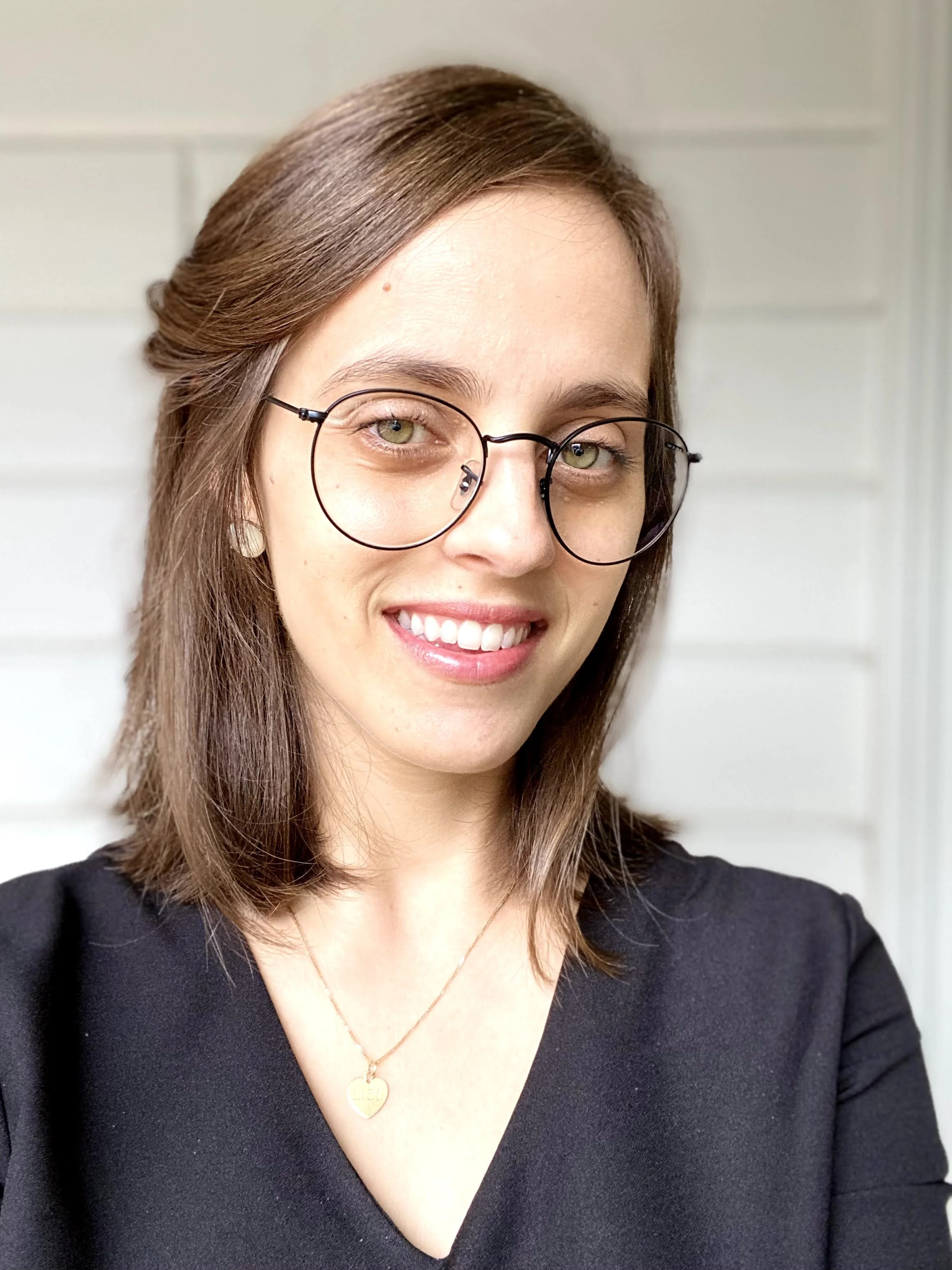
Liel Bridgford (she/they)
Online Presentation: Working together: Connecting Disability Affirming Practices with the Neurodiversity Affirming Paradigm
Liel (she/they) is a Psychologist, writer and educator based in Naarm. She is a proud disabled, immigrant, genderqueer woman. She has been recognised as the 2025 Brenda Gabe Leadership award, an Honoree for Diversability 2024 D-30 Disability Impact List, an ABC TOP 5 Arts resident, and a 2023 Melbourne Awards finalist for Access and Inclusion. Liel has appeared on various radio, podcast, and TV programs, has been published widely and has facilitated presentations and workshops across Australia and internationally.
Liel has worked in the mental health and disability sectors for over 14 years, and has lived as a disabled person for nearly four decades. Her work focuses on inclusive, accessible, holistic and trauma-informed support and education, by centering lived experience. She is passionate about working from an intersectional feminist perspective and using an anti-oppression approach.
Liel is the founder and director of Kultivate, an organisation focused on advancing wellbeing, equity, inclusion, and disability justice for disabled and multiply marginalised people. Kultivate's mission is rooted in equity, community, mindfulness, and empowerment. Liel's vision through Kultivate is to create an equitable and inclusive society where all disabled people thrive.
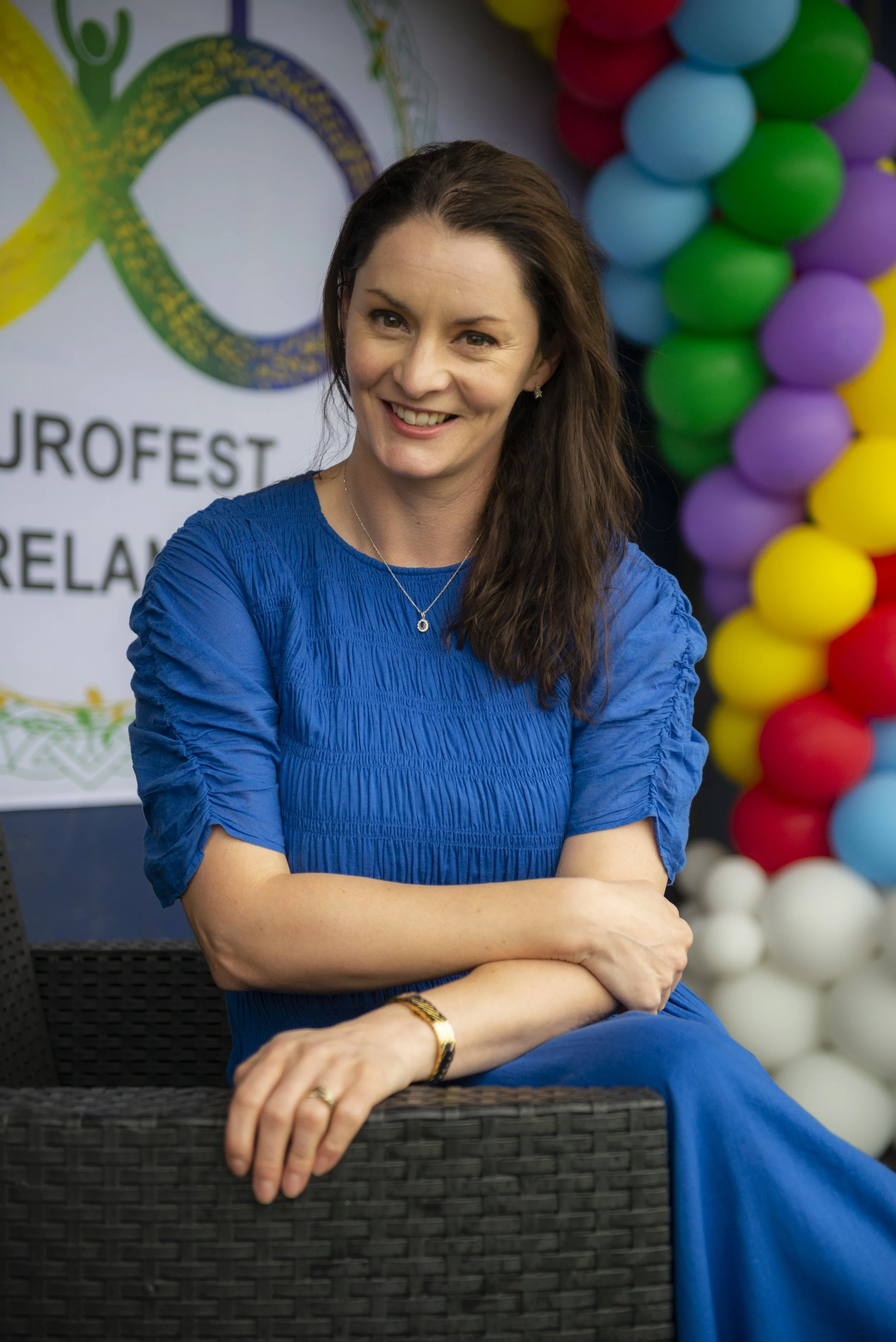
Lorraine O Madden (UK - she/her)
Online Research Presentation: Evaluating the Neurodiversity Essentials Programme: a Pilot study on Supporting Parents of Autistic Children
Lorraine Madden is a Principal Chartered Child and Adolescent Educational Psychologist, Founder & Clinical Director of the Education, Psychology & Therapy (EPT) Clinic in Kilkenny, Ireland, a leading neurodevelopmental service recognised for integrating rigorous psychological science with compassionate clinical practice. Her work reshapes how children’s emotional regulation, neurodevelopment and family systems are understood across education, health and multidisciplinary settings.
Lorraine’s research is grounded in lived experience and co-production. Her recent paper "Evaluating the Neurodiversity Essentials Programme: a pilot study on supporting parents of autistic children", exploring neurodiversity-affirming clinical practice was presented and published at the 2025 14th Autism Europe International Congress, delivered by her autistic co-author, Siobhan Campion. In the same year, Lorraine also presented her work at the 29th Ireland International Conference on Education (2025) - this time focusing on the area of Emotional Regulation and Neurodiversity, highlighting innovative practice for supporting neurodivergent children online.
Lorraine is currently leading the CE-marking and standardisation process for the Social Emotional Regulation Assessment (SERA), positioning it as one of the first neurodevelopmental assessment tools in Europe to pursue EU conformity for clinical use and multidisciplinary application.
A former primary and special education teacher, Lorraine brings more than twenty years of experience across education, public services and psychology. After postgraduate studies in Inclusive Education, she qualified as a Chartered Educational Psychologist and practised within HSE Early Intervention Services, gaining a deep understanding of the systemic challenges shaping access to neurodevelopmental support for families in Ireland.
Lorraine is internationally recognised for her leadership in professional standards. She received the Psychological Society of Ireland’s “Contribution to Professional Practice” Award in 2022 and contributed to the 2022 PSI Professional Practice Guidelines for the Assessment, Formulation and Diagnosis of Autism in Children and Adolescents, currently the key national reference for autism assessment in Ireland.
Since 2024, she has chaired PSI’s Special Interest Group in Neurodiversity, supporting the profession in embedding affirmative, ethical practice.
Her academic and clinical teaching includes work with the Doctorate in Educational Psychology at University College Dublin (UCD), where she lectured on neurodevelopmental pathways, emotional regulation, and trauma-informed assessment.
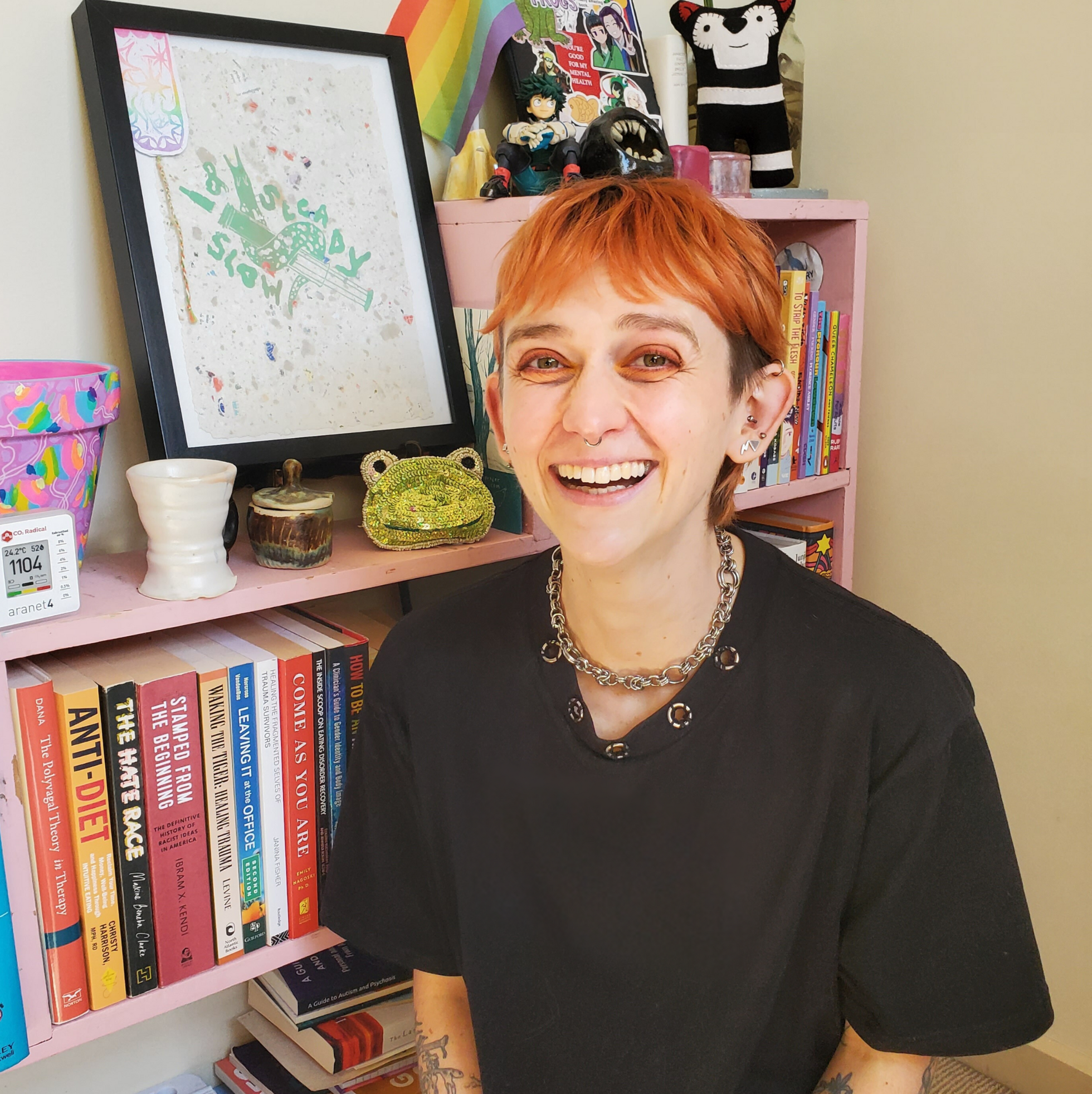
Lumen Gorrie (they/them)
Panel Discussion: Autism and Chronic Health Conditions: Beyond the Basics
Lumen is a queer (aroace), nonbinary trans, multiply neurodivergent (AuDHD+), chronically ill, disabled person, living and working in Naarm on unceded Wurundjeri Land. They recognise the immense privilege they hold as a white Australian citizen from a middle class and financially secure family; as someone with a high level of tertiary education and a position of institutional power; and as someone whose body meets society’s straight-sized aesthetic and healthism ideals.
Lumen is a clinical psychologist, advocate, board-approved supervisor, educator, and lived experience speaker. They also run Appetite for Change Project, the world’s first project and conference dedicated to centring and supporting the voices, needs, and needs experiences of neurodivergent, chronically ill, disabled, and LGBTQIA+SB folks with eating disorders, differences, and difficulties.
As was perhaps given away by the previous sentence, Lumen is dedicated to supporting neurodivergent, queer, trans and gender diverse, chronically ill, and disabled folk, particularly those who hold multiple marginalised, intersecting identities. They work from (and holds fast to) an intersectional, identity-affirming, anti-oppressive, depathologising, trauma-informed, body and weight inclusive framework, anti-colonial, and anti-ableist framework, honouring lived experience, autonomy, and community wisdom. They’re also passionate about critiquing and transforming psychological models and systems that harm marginalised folk, and are committed to advocacy, accessibility, harm minimisation, and disability justice.
Lumen has presented on neurodivergence, chronic illness, queerness, gender diversity, eating/feeding, body, and their intersections for a range of conferences, events, and organisations. They also love holding webinars and workshops, contributing to research papers, writing blogs and op-ed pieces, and creating resources here and there.
As someone with ME/CFS, hEDS, Long COVID, dysautonomia, MCAS, hemiplegic migraines, and other such things that tend to come as a package deal for Au/DHDers (it’s all connected!), Lumen also rests a lot. This particularly involves hanging out with their tiny dog and slinky cat – who they adore endlessly – while reading, crafting trinkets, napping, and pondering what colour to dye their hair next.
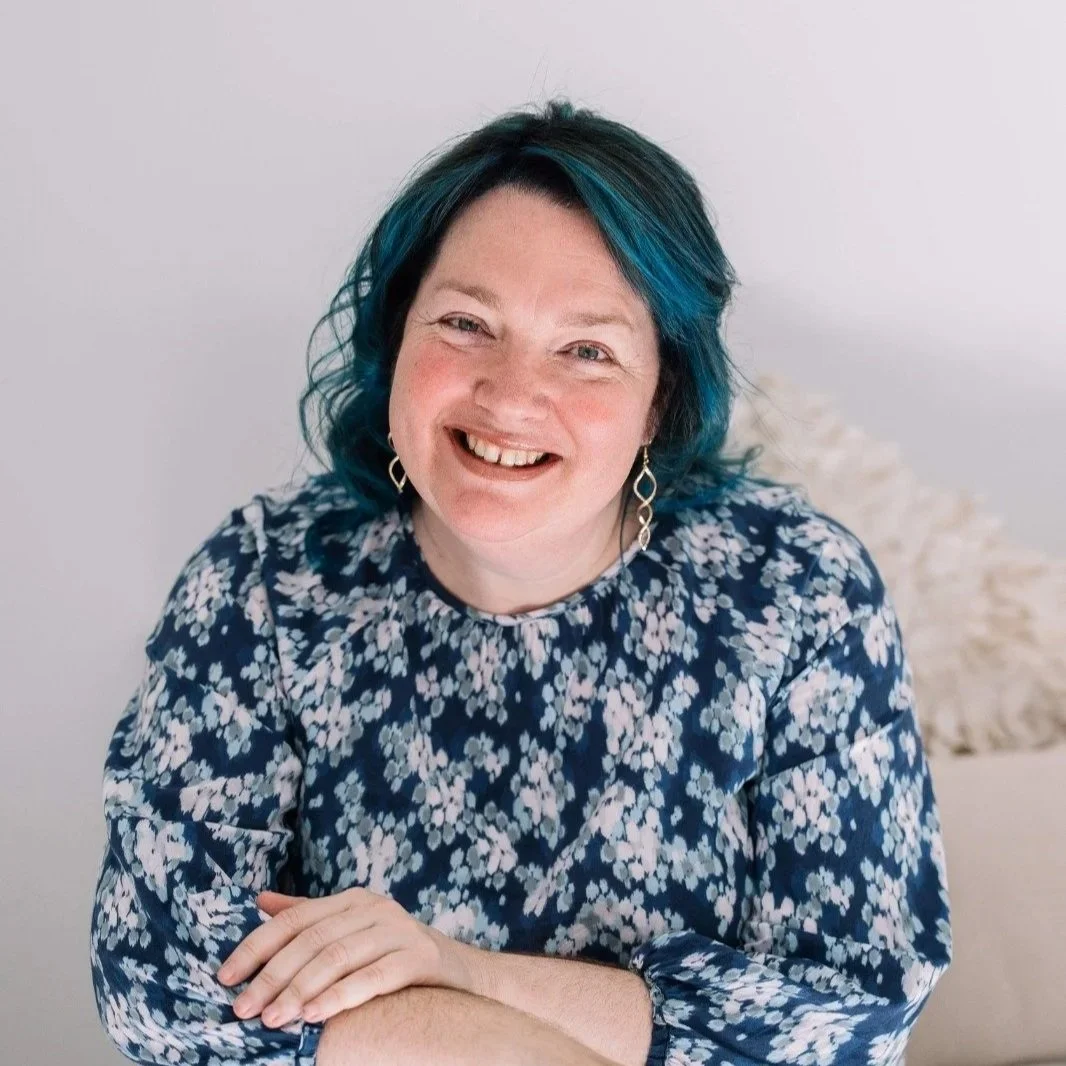
Lydia Meem (she/her)
LOAPAC Lived Experience Practitioners Symposium: Autism Understanding
Lydia Meem is a neurodivergent clinical psychologist, author, and educator behind Autism Understanding, on a mission to transform how neurodivergent individuals are supported and understood. With over two decades of experience across health, education, and disability sectors, she blends deep clinical expertise with lived experience to champion truly neurodiversity-affirming practice. Through training, supervision, and global speaking engagements, Lydia supports clinicians, teachers, and organisations in creating more inclusive, strengths-based approaches to assessment and care. Passionate about moving beyond deficit-focused models, her work centres curiosity, empowerment, and advocacy—because support should honour each individual’s brain style, and help people not just cope, but genuinely thrive.
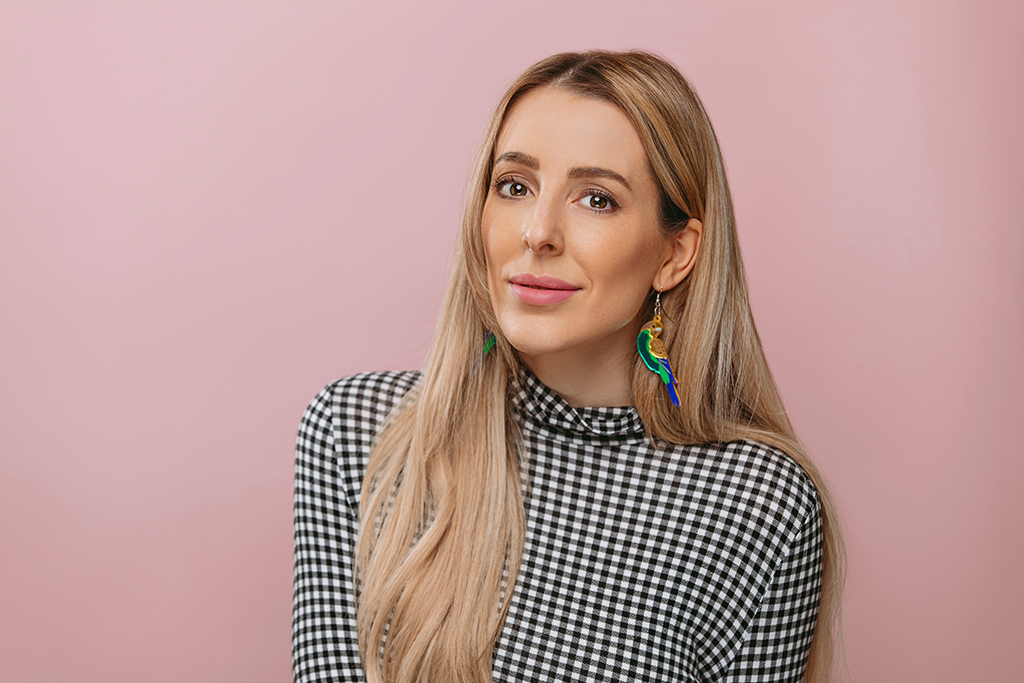
Marie Camin
Intergenerational Impacts of Unidentified Autistic Needs"
Marie Camin (she/her) is a multiply neurodivergent (AuDHD+) Clinical Psychologist dedicated to supporting and empowering the Autistic community through neuroaffirming clinical practice, supervision, advocacy, and research. In her clinical work, Marie identifies and supports Autistic clients across the lifespan. She has consulted on the National Roadmap to Improve the Health and Mental Health of Autistic People for the Australian Government.
Marie is committed to research that translates into relevant, practical, and meaningful outcomes for the Autistic community. She is a co-author of the first study defining neuroaffirming practice (Flower et al., 2025) and a founding member of the Olga Tennison Autism Research Centre (OTARC) AutVisory Committee—an initiative that promotes co-production between academics and the Autistic community.
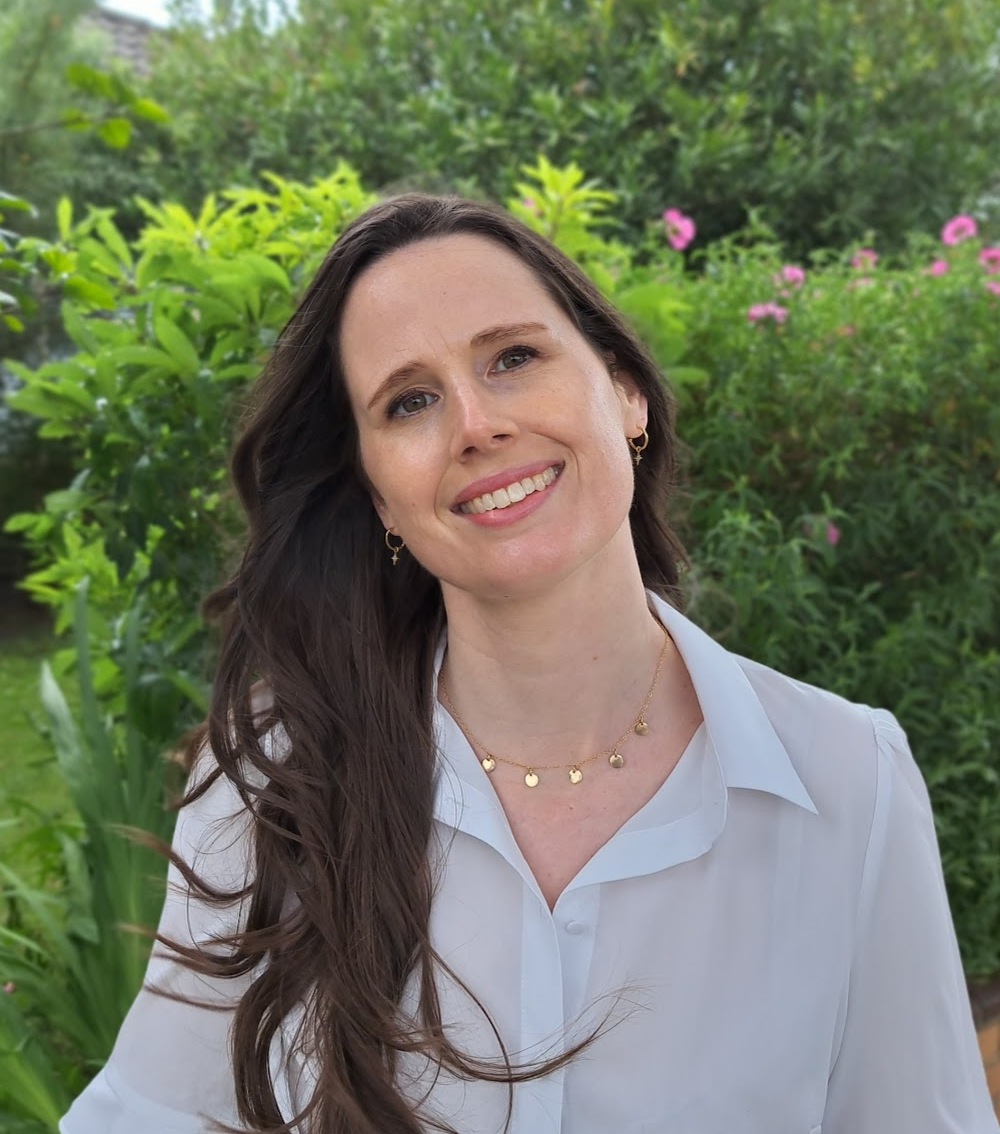
Margo White(she/her)
Online Presentation: ARFID at the Intersections: A Neuro-Affirming, Nervous System Approach
Margo White is a Certified Practicing Nutritionist and the founder of Whole Body Nutrition, living and working in Naarm on unceded Wurundjeri Land. Her practice specialises in supporting Neurodivergent individuals of all ages, genders, and backgrounds to cultivate an emotionally healthy relationship with food.
As a proud AuDHDer and mother of two, Margo brings together her professional expertise and lived experience into everything she does. Margo understands the complex realities families face when feeding challenges intersect with neurodivergence, sensory needs, stress physiology, and trauma.
Known for her neuro-affirming, trauma-informed approach, Margo supports families navigating ARFID and feeding differences to honour diverse eating patterns, reduce pressure, rebuild connection, and create predictable, safe environments where eating can flourish naturally.
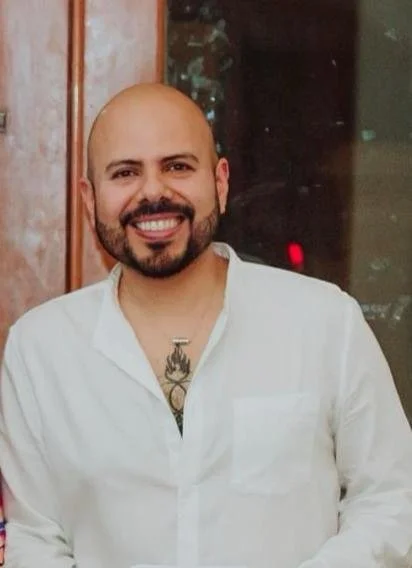
Mario Castelán (he/him - Mexico)
Online Research Presentation: Sustained Neurodivergent Peer Spaces: A One-Year Community-Based Study from Mexico
Mario Castelán (he/him) is an autistic researcher in AI at Cinvestav, Mexico. He holds a PhD in Computer Science from the University of York, UK. His work focuses on pattern analysis and machine learning, with applications in materials science, droplet dynamics and interfacial phenomena, biology, affective computing, mental health, and neuroscience.
He is currently pursuing an undergraduate degree in Psychology. His academic interests examine neurodivergence, neuronormativity, and social attitudes toward cognitive difference, as well as community-based approaches to wellbeing. He co-founded Divergentes, a self-managed neurodivergent peer group in northern Mexico that meets regularly outside clinical settings, creating sustained spaces for dialogue, recognition, and mutual support.
Mario’s recent work engages critical perspectives on the use of facial image analysis for autism-related research, addressing methodological limits and ethical risks linked to AI-driven diagnostic narratives. In parallel, he coordinates a national network of scientists from sex and gender diversity communities in Mexico. He maintains collaborations with universities and research centres in Mexico, Switzerland, Australia, and Spain.
Across his scientific, community, and creative activities, he explores ways of connecting lived experience with knowledge production. His poetry books have received national awards, reflecting an ongoing interest in the relationship between science, identity, and cultural expression.
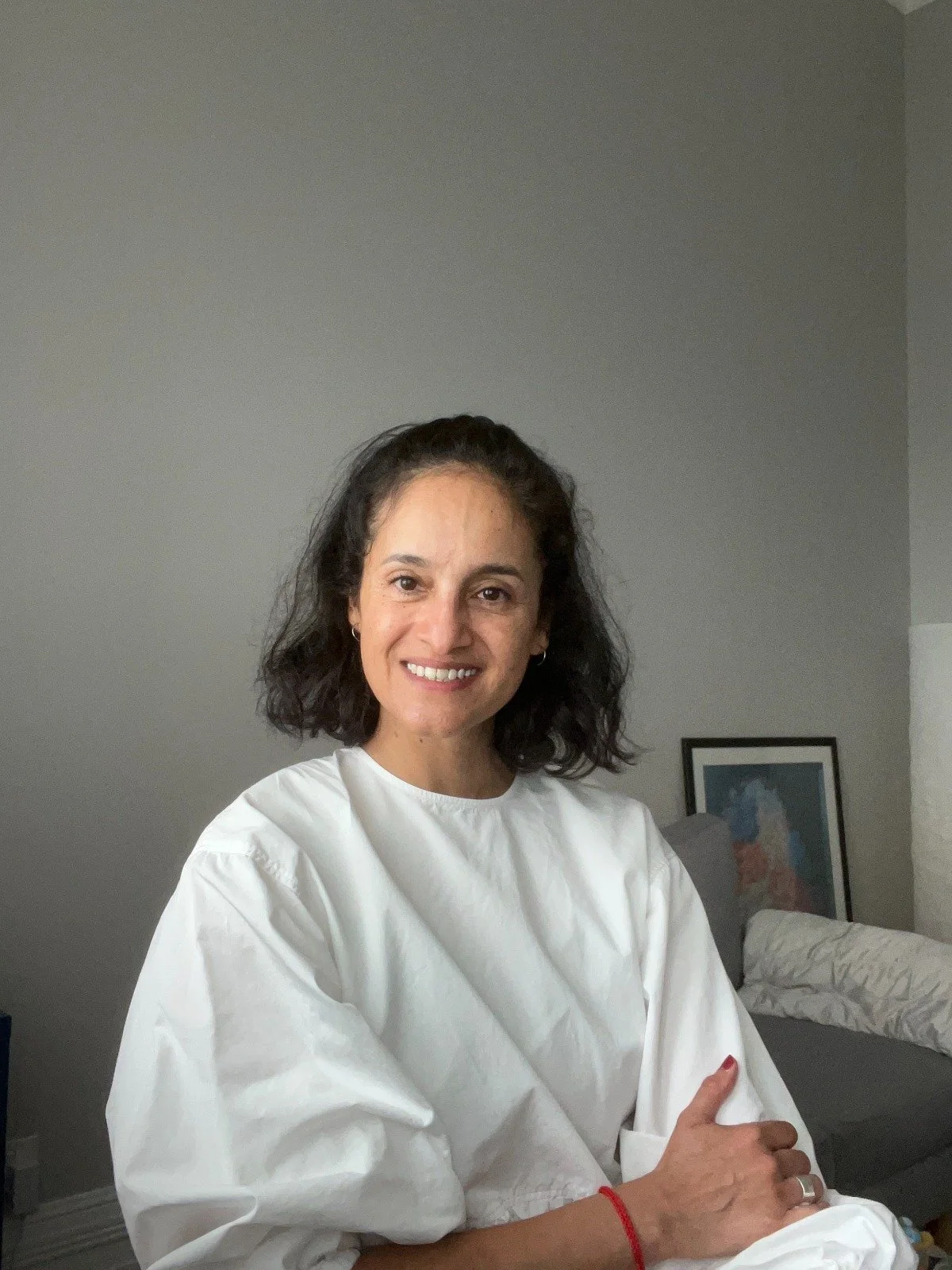
Marta Arce Casas
LOAPAC Lived Experience Practitioners Symposium: Sonar Psychology & Wellbeing
(Online presentation)
Marta is an AuDHD psychologist and board-approved supervisor. Marta is passionate about working from an intersectional, holistic, integrative and affirming approach. She believes that through this framework one can integrate and make sense of lived experience, conceptualise and understand identity as an ever evolving sense. She created Sonar Psychology & Wellbeing with the intention and commitment to provide psychological support that was congruent to her values and that provided neuroaffirming support. Central to her sense of identity, Marta is the proud parent of two gender diverse AuDHD young adults and a teenage daughter.
Marta is curious by nature, loves learning and has always been interested in human experiences. Marta’s non-linear life has been rich in personal and professional experiences. Identified during school years as cognitively gifted yet, not having been identified as AuDHD until age 40, she encountered life as full of contradictions. She completed her foundational education in clinical psychology in Mexico, leaning into psychodynamic and systemic approaches. Simultaneously trained and worked as a yoga instructor. Also dove into mindfulness, somatic work and meditation practices.
Immigrating to Australia whilst transferring her psychology degree, she completed two postgraduates in early childhood development and family therapy; and worked in early childhood early intervention. Later, she completed a Master of Psychology (Ed and Dev) at Monash University. Since then has continued training in complex trauma therapeutic interventions including EMDR.
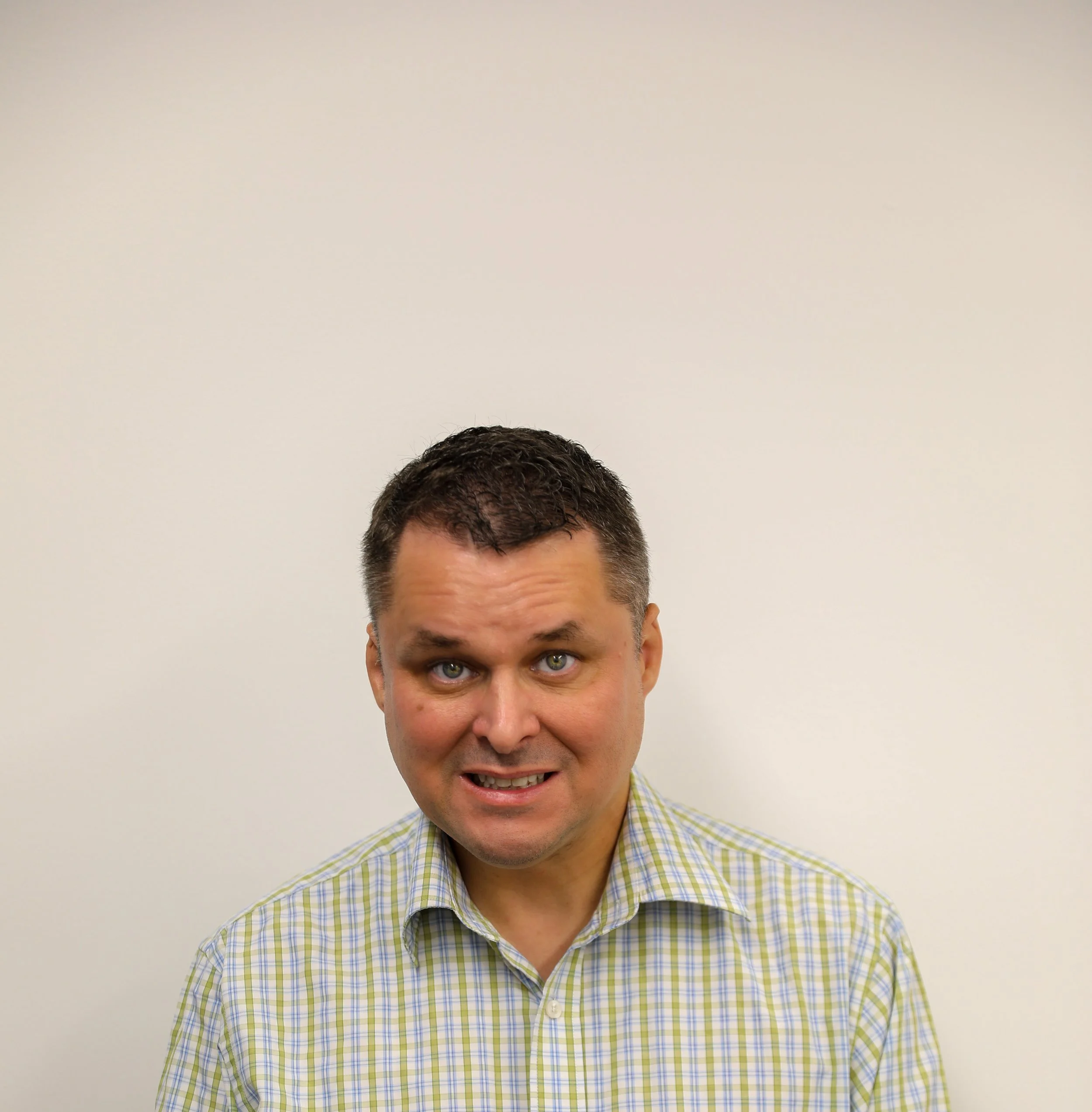
Michael Coles (he/him)
Online Presentation: The Dangers of Autistic Burnout & how to work with an Autistic Person
Michael Coles is an autistic speaker, consultant, and podcast host specialising in autistic burnout, neurodiversity, and inclusive practice. Having been diagnosed three times — first at age three with PDD-NOS, then with Asperger's Syndrome at 35, and rediagnosed with Autism in 2017 — Michael brings a deeply personal and hard-won perspective to his work. He also lives with ADHD and expressive/receptive language disorders, lending both vulnerability and authenticity to every conversation.
As the host of The Deep Dive Podcast, Michael dives deep into the world of autism, ADHD, and neurodivergence, sharing authentic stories and discussions that resonate with autistic individuals, their families, and interested listeners — bridging understanding and creating community.
His work focuses on bridging understanding between autistic and non-autistic communities, with a strong emphasis on safety, dignity, and sustainable participation. Michael is passionate about helping autistic people live authentically and supporting workplaces to become truly inclusive, currently building programs that foster understanding, not just awareness.
A passionate advocate for autism awareness and inclusion, Michael is a dynamic speaker who delivers deep, actionable insights — helping organisations and communities move from awareness to meaningful, lasting change.
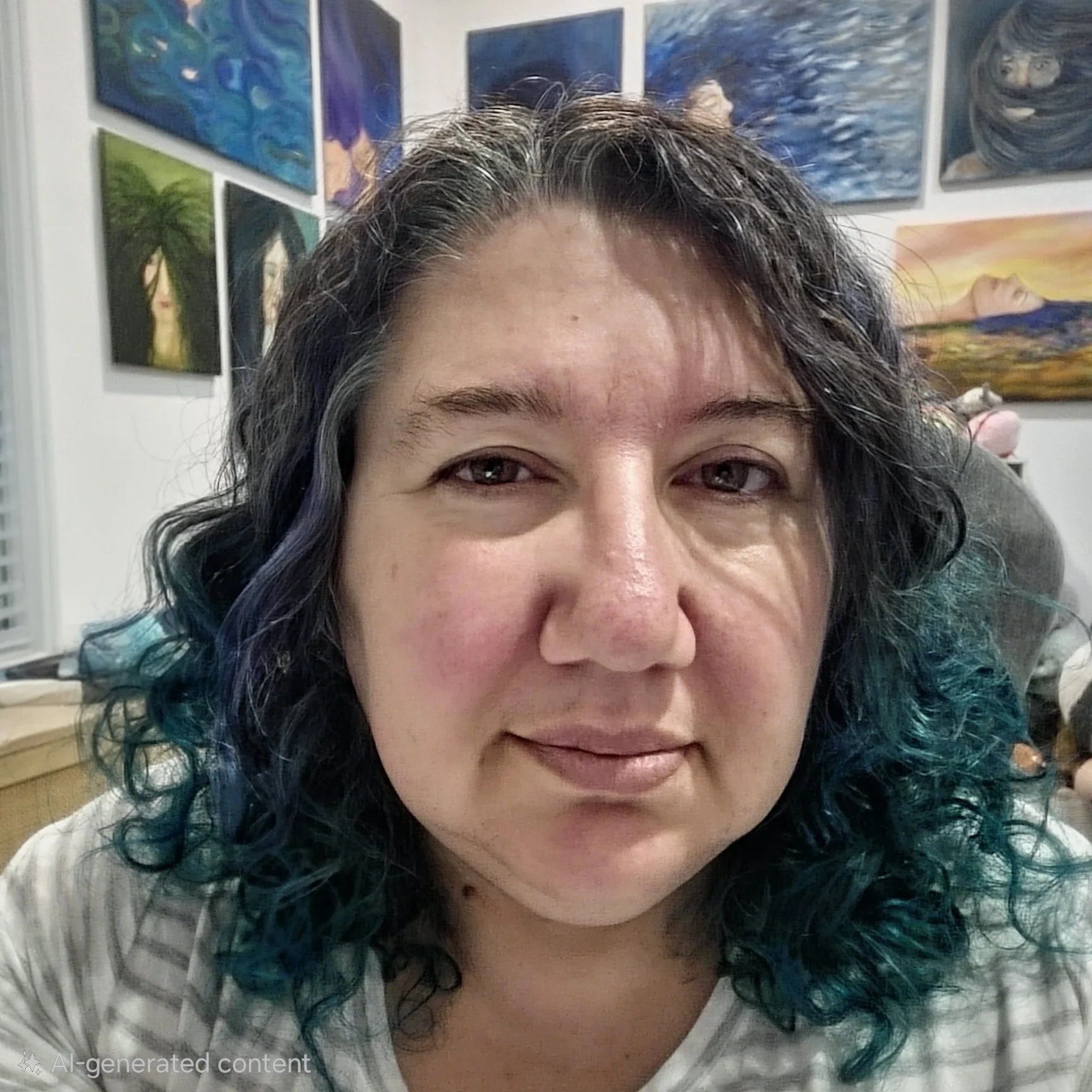
Melanie Martinelli (she/her)
Research Symposium: HOW Autistic People Authentically Communicate
Melanie Martinelli is an Autism Consultant, Educator, and registered Developmental Educator with over a decade of experience supporting autistic individuals, families, and professionals. She is the Founder and Director of The Little Black Duck, delivering training, resources, and consultancy across education, community, and clinical settings.
Melanie is a PhD candidate at La Trobe University, researching autistic sociality, connection-seeking, and communication. Her work integrates neurodiversity-affirming, trauma-informed, and sensory-based approaches, with a strong focus on translating research into practical, accessible strategies that enhance participation, wellbeing, and quality of life for autistic individuals.
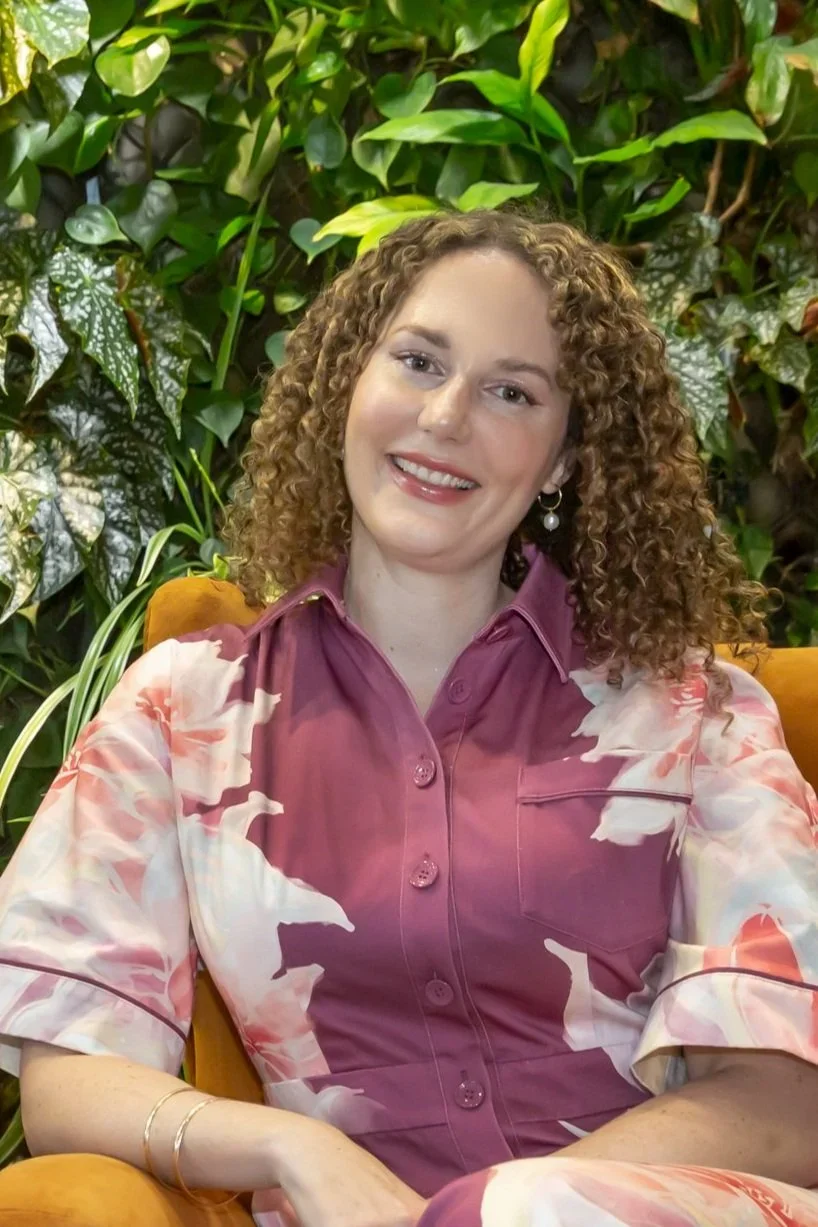
Monique Mitchelson (she/her)
Panel Discussion: Autism and Chronic Health Conditions: Beyond the Basics
Monique Mitchelson is a neurodivergent Clinical Psychologist who specialises in treating trauma.
She is passionate about neurodivergence, particularly in women and girls, and she works with many clients who are neurodivergent. Monique focuses on advocacy work and adapting trauma treatment within a neurodiversity affirming framework. She is the other half of the Neurodivergent Woman Podcast.

Mish Kumar-Jonson (they/them/theirs)
Exploring Neuronormativity, Sanism and Neurodivergent Identity across Cultures
Mish, a Dissociative Identity Response [DIR] System that is neurodivergent, non-binary, queer and a mental health social worker of colour works and lives on Woiwurrung Wurundjeri and Bunuroung Country of the Mighty Kulin Nation. Mish is the chair and principal practitioner at The Iceberg Foundation; a mental health charity supporting BIPOC Neuroqueer humans and in addition runs a private practice and consults on a range of boards to support thriving LGBTIQAPSB+ and Neurodivergent communities.
Through an anti- oppressive lens and a commitment to decolonising mental health practces, Mish supports people within the intersections of neurodivergence, BIPOC narratives, Queerness and the impacts of ableism on the disabled communities. Outside of work Mish loves writng poetry, fostering kittens and constantly rearranging their home to sneak more plants into their home without their wife noticing!
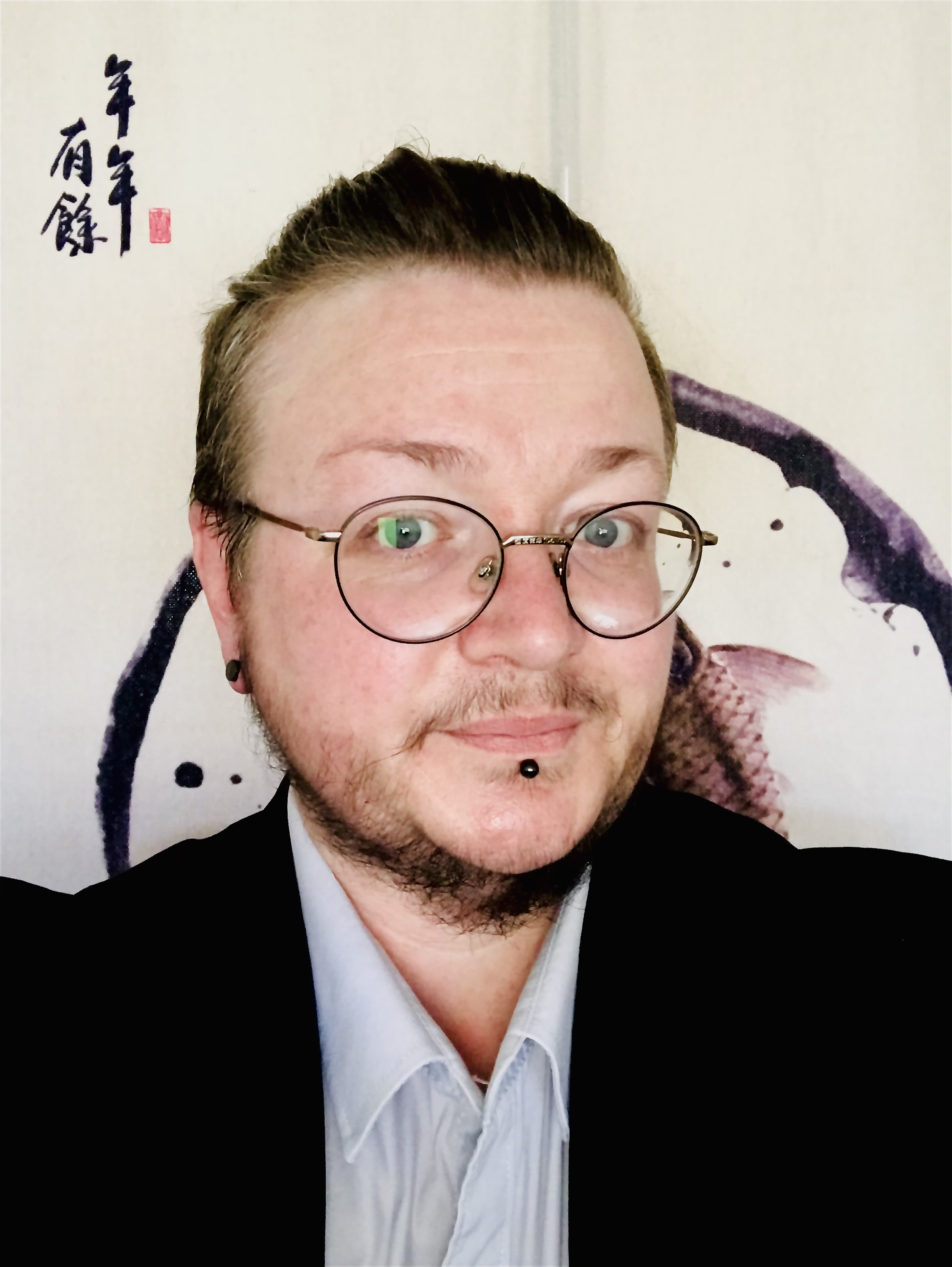
Dr Miro Rainsford (he/they)
Research Symposium: Court decisions regarding gender-affirming care for young people: Issues of cisgenderism and pathologising of neurodivergence.
Dr Miro Rainsford (he/they) is a psychologist and early career researcher in the behavioural sciences. They are based in nipaluna/Hobart, lutruwita/Tasmania, on the unceded lands of the palawa people. Miro has worked in a variety of settings including private practice, government and nongovernmental organisations in the employment, disability and family violence sectors including providing counselling for those affected by the Disability Royal Commission.
Miro’s clinical practice focuses on the intersection of complex trauma, queerness and neurodivergence. They have a passion for providing person-centred, trauma-informed and affirming therapy for the LGBTIQA+ and neurodivergent communities, as a queer, neurodivergent, and transmasculine-nonbinary practitioner. Miro centres lived experience in his work, drawing on his own experiences as well as listening to, learning from and elevating the voices of others in these communities. Miro’s research focuses on memory and cognition, and on factors influencing court decisions regarding the gender-affirming medical care of transgender children and young people.
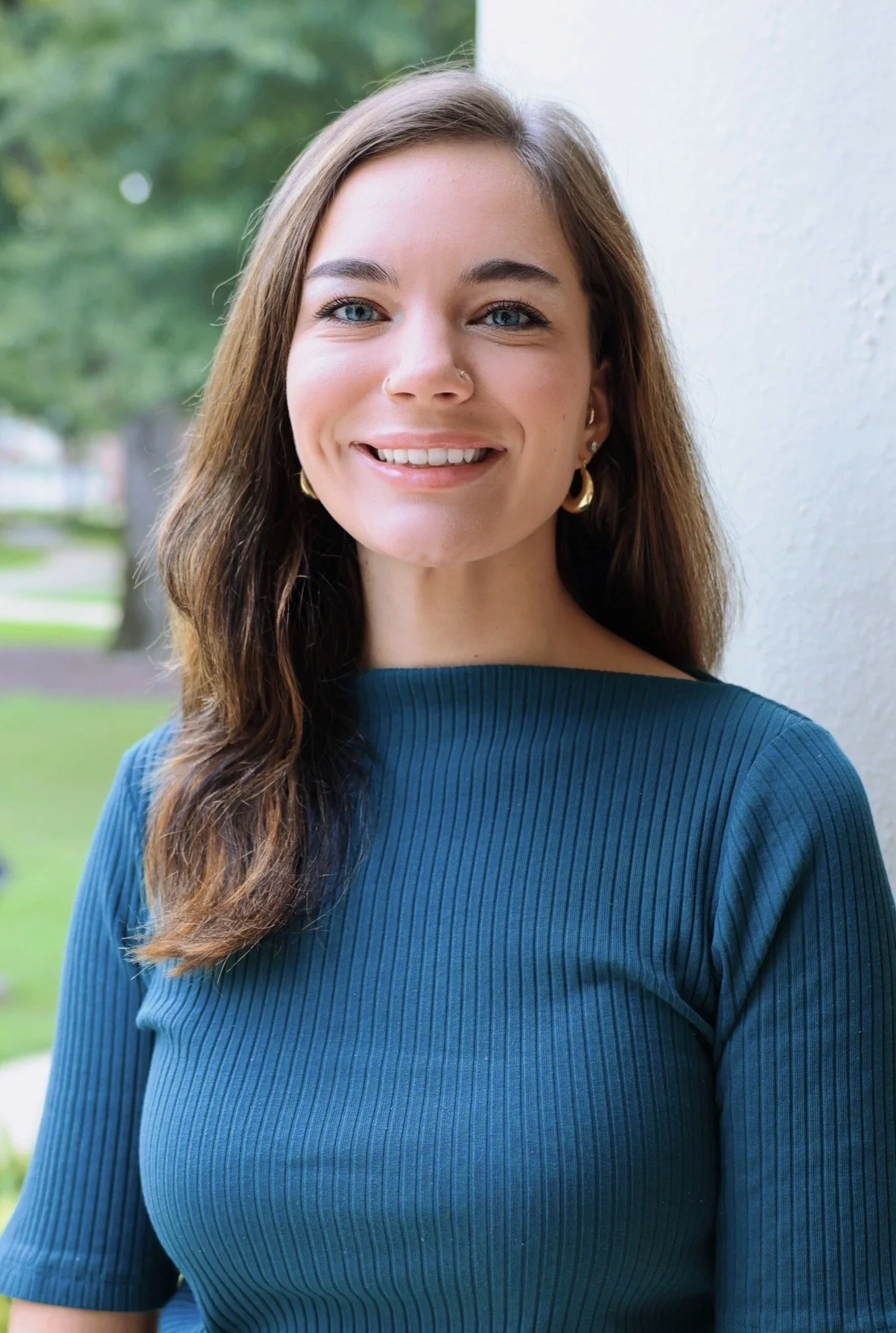
Megan Davenport (USA)
Online Presentation: Supporting the “Others”: Navigating Neuroinclusion as a Neurodivergent Professional
Megan Davenport is a neurodivergent therapist and educator based in Tuscaloosa, Alabama. Megan obtained her BSW and MSW degrees from Middle Tennessee State University and a Graduate Certificate in Grant Writing from Austin Peay State University.
She is a Licensed Clinical Social Worker (LCSW) in the state of Tennessee and a Licensed Independent Clinical Social Worker (LICSW) in the state of Alabama and provides psychotherapy through her private practice, Moxie Mental Health, to adults and adolescents presenting with neurodivergence and trauma-related disorders. She also serves as an Instructor and Practicum Education Coordinator at the University of Alabama School of Social Work.
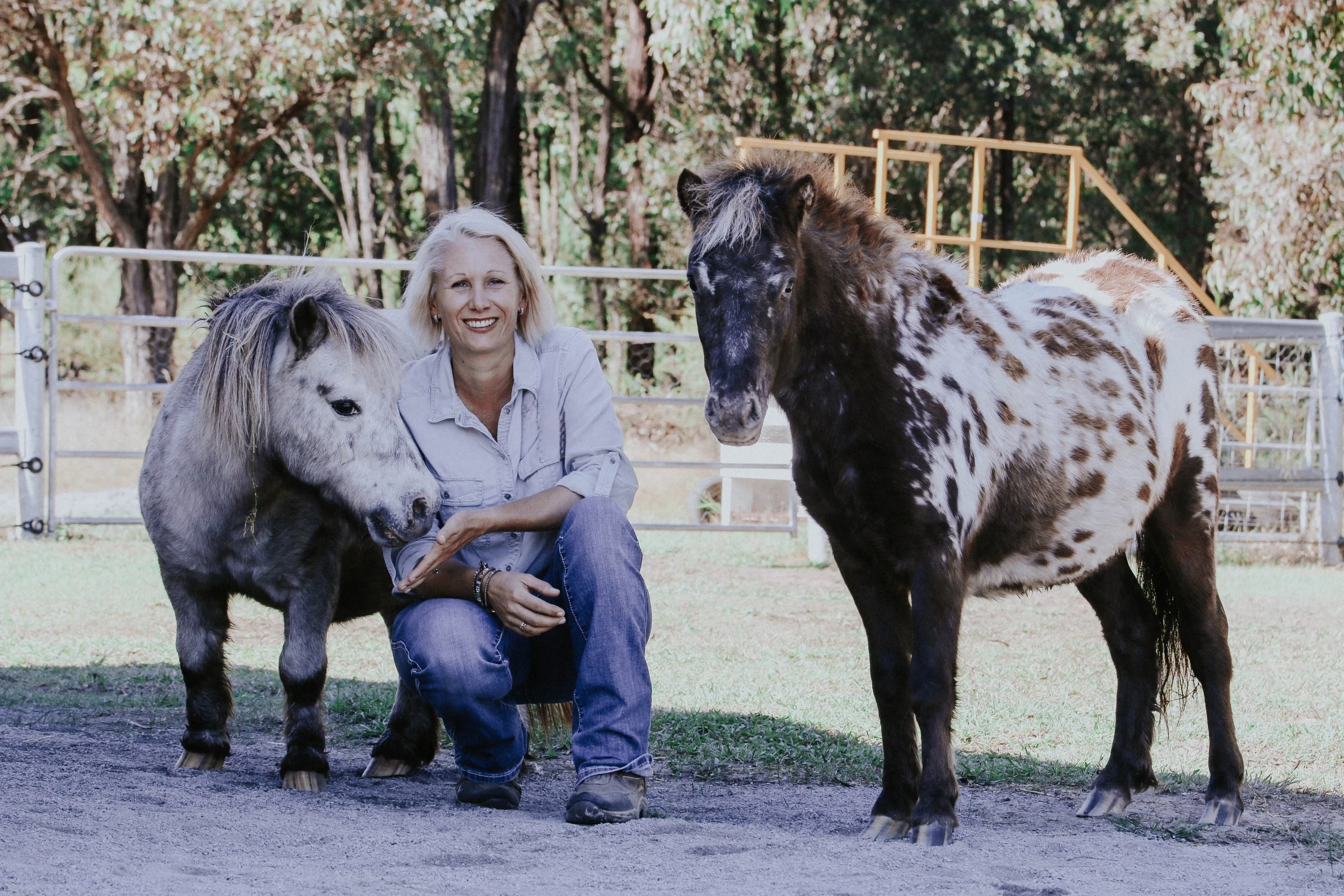
Nadine Delaney (she/her)
Paddock Play – How Nature-Based, Equine-Assisted Group Programs for Children Foster Safety, Connection, and Community
Nadine Delaney (she/her) is an Accredited Mental Health Social Worker based in the Hunter Valley, NSW, and the founder of Hunter Valley Children’s Therapies. She is also the Co-Founder of Nature Based Therapies Australia, where she provides training, supervision, and consultation to practitioners exploring nature-based and animal-assisted therapeutic practice. Nadine works extensively with neurodivergent children, young people, and families, bringing both professional expertise and lived experience as an ADHDer to her work.
Her practice is grounded in neurodiversity-affirming, trauma-informed, and strengths- based principles, with a strong commitment to creating therapeutic spaces where children can feel safe, understood, and free to be themselves.
Over the past decade, Nadine has developed and facilitated innovative group programs that combine nature, animals, creativity, and experiential learning to support emotional regulation, resilience, confidence, and connection. Her work demonstrates how outdoor, sensory-rich environments can reduce barriers to participation and open up new pathways for engagement for neurodivergent children.
In this presentation, Nadine shares Paddock Play, a nature-based, equine-assisted approach to group program design. Through this work, she invites practitioners to think beyond the therapy room and explore how nature, animals, and community can help children build confidence, connection, and perhaps most importantly—find their herd.
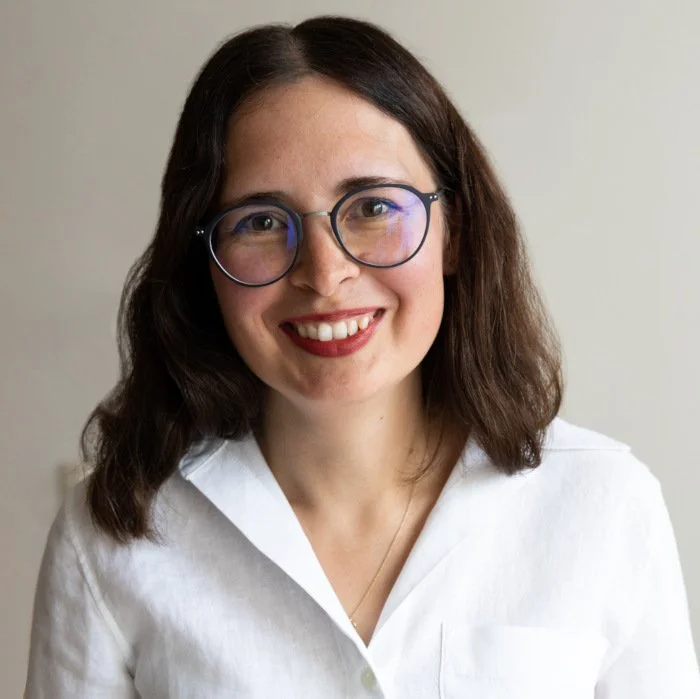
Dr Olga Dobrushina (she/her - UK)
Using Neuroscience Insights to Understand Neurodivergent Experience and Inform Affirming Therapy
Dr Olga Dobrushina, MD, PhD, is a Counselling Psychologist (HCPC, UK), Advanced Accredited Schema Therapist (ISST), and a Lecturer at the Department of Psychological Sciences and Health, University of Strathclyde, Glasgow. Olga is neurodivergent herself, and she has been working with Autistic and ADHD clients for over ten years, as a medical doctor, psychologist, and team leader.
As a researcher, Olga focuses on the mind-body connection, autism, and digital health, using advanced neuroimaging to get insights into the brain. Particularly, she works on an AI tool for neurodiversity assessment and a novel biofeedback technology to support arousal regulation. Olga is passionate about bridging neuroscience and practical applications, improving outcomes for those with complex mental health difficulties and preventing these difficulties by seeing and meeting the needs of every individual across the human neurodiversity.
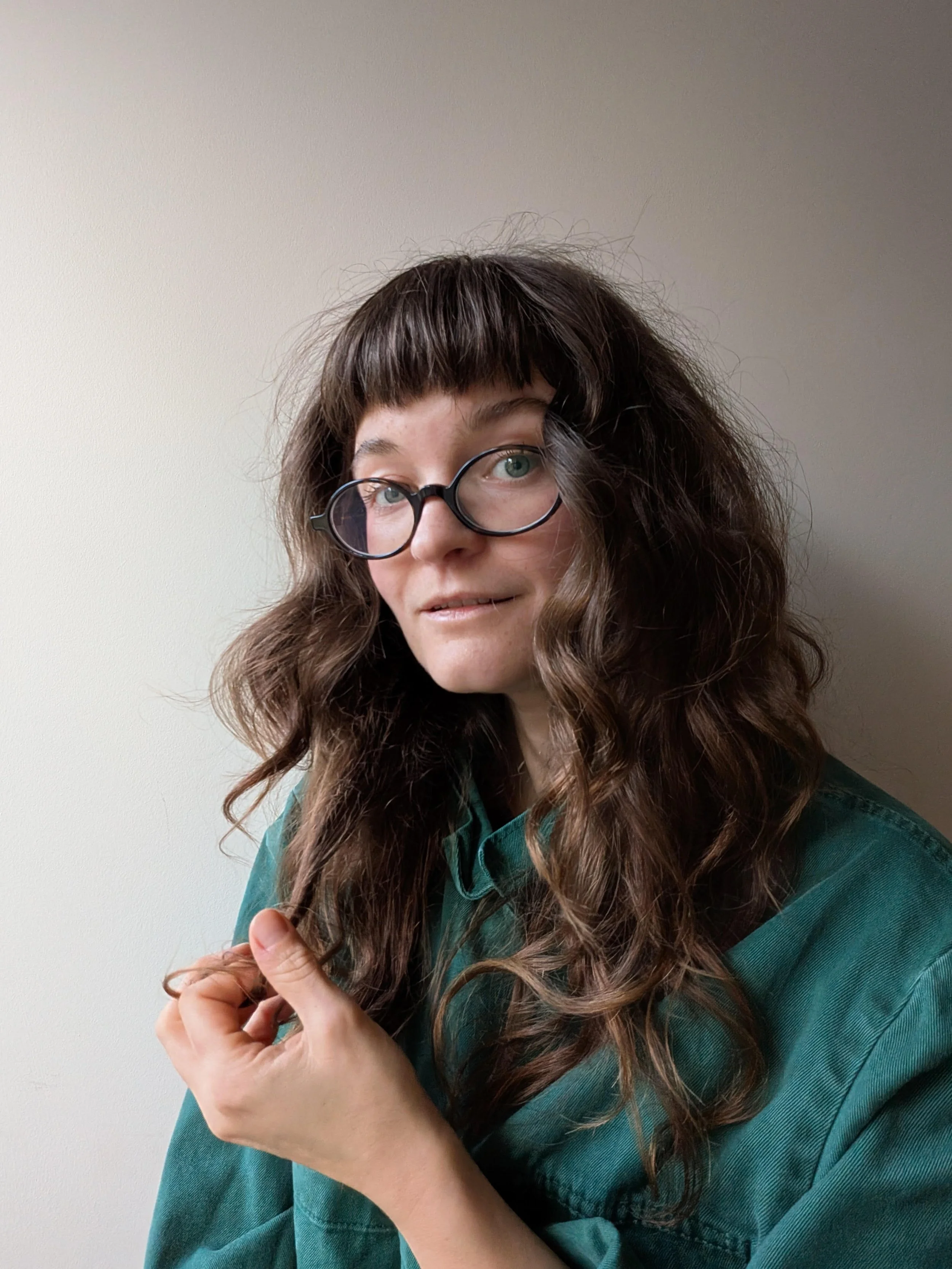
Polly Miskiewicz (UK)
Online Presentation: Standing in the Mess: Why Neurodivergent-Affirming Practice Means Holding Complexity, Not Reducing It
Polly Miskiewicz is a neurodivergent HCPC and BAAT Registered Creative Psychotherapist in private practice (Self Curious Therapy), based in Whitstable, UK. She works with neurodivergent women, teenagers, and queer folk from a Jungian-phenomenological orientation, drawing on depth psychology, phenomenology, and the expressive arts to create a therapeutic space that holds complexity rather than resolving it.
Her practice sits at the intersection of identity, embodiment, and the unconscious. She integrates somatic and arts-based approaches with a Jungian framework, attending closely to image, movement, and the lived experience of being in the world as a neurodivergent person. Merleau-Ponty and Levinas inform how she understands encounter, embodiment, and the ethics of therapeutic presence.
Polly came to this work through her own neurodivergence and through a longstanding formation in European literature and philosophy, in the symbolic, the mythic, and the kind of writing that insists some experiences can only be approached through metaphor. That sensibility runs through everything she does clinically and in writing.
She is currently completing her first book, (working title) Standing in the Mess: Holding Complexity in Clinical Practice, under contract with Taylor & Francis/Routledge.
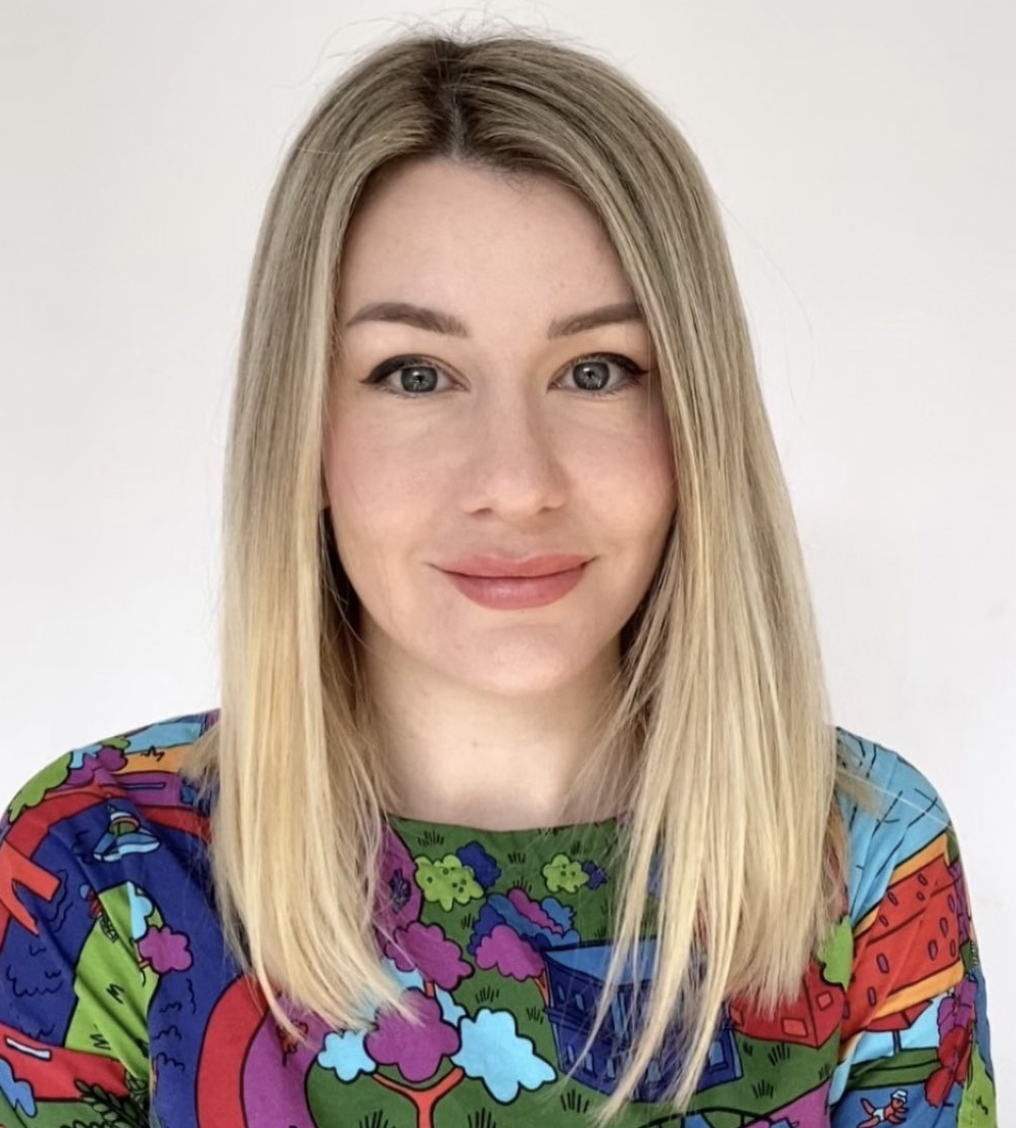
Rebecca Gannon(she/they)
Panel Discussion: Neurodivergence in First Nations Communities: Insights from Lived Experience and Community Engagement
Rebecca (she/they) is a multiply neurodivergent Wiradjuri human, Educational & Developmental Psychologist, parent and advocate. Rebecca is privileged to work with neurodivergent folk across the lifespan and is unapologetic in their commitment to radically neuroaffirming practice.
After a long time working in community with mob, Rebecca now works in private practice offering assessment and therapy, with a parallel focus on supervising and training fellow Allied Health Clinicians.
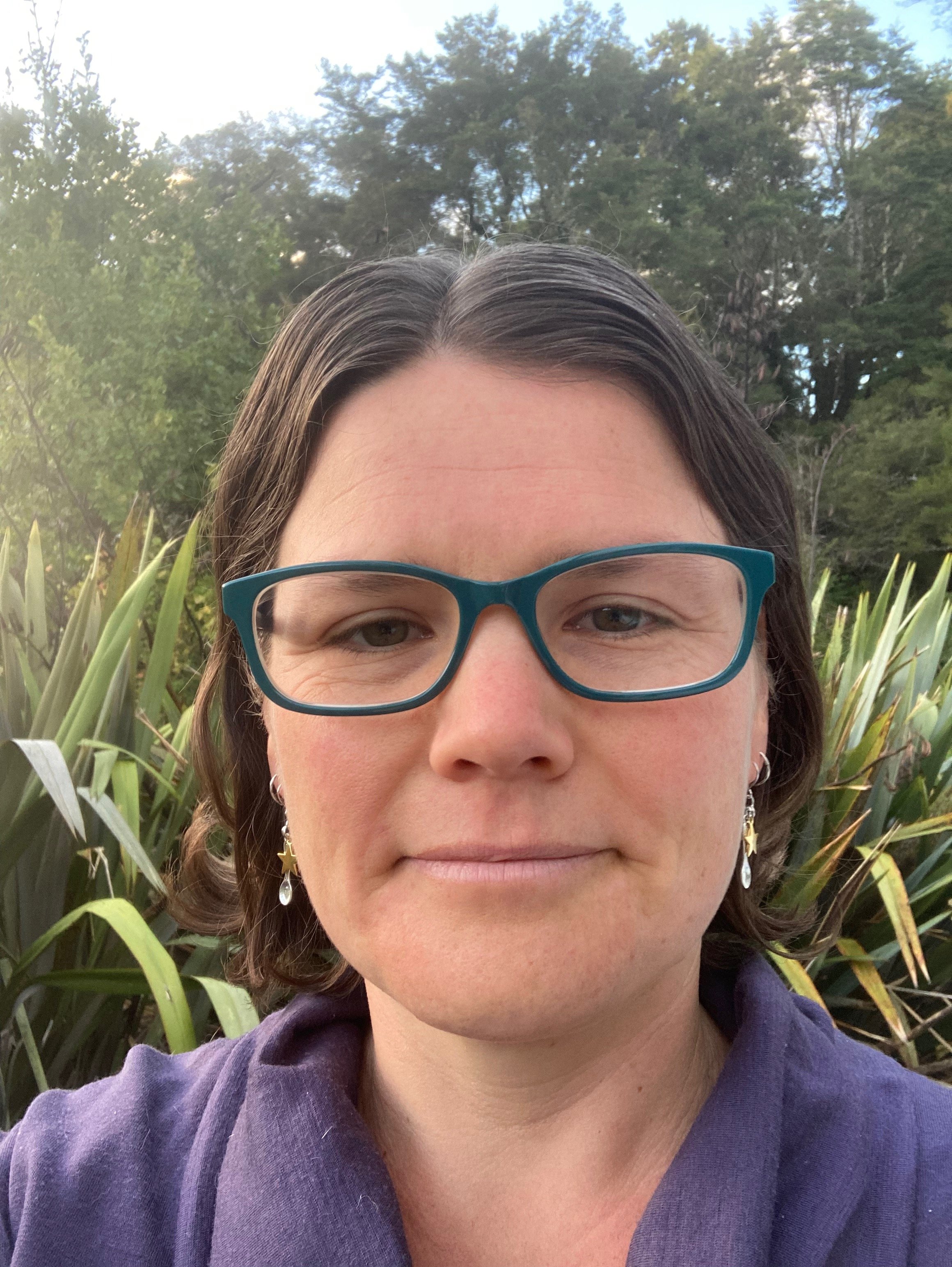
Rebecca Rebecca Rae-Hodgson (she/her)
Online Research Presentation: Finding Belonging as Neurodivergent Occupational Therapists: Supporting Ourselves so we Can Support Others
Rebecca, otherwise known as The Chronically Resilient OT, is a neurodivergent and chronically ill Occupational Therapist, her core value in private practice is Making a Difference. She combines her clinical knowledge and lived experience to support others through mentoring, supervision, blogs, worksheets and trainings and is passionate about educating health professionals to improve support for a larger number of people.
Current special interest areas are neurodiversity affirming practice, the wellbeing of neurodivergent health professionals, values exploration and sensory processing. Over the past few years, she has presented at Occupational Therapy conferences in Australia and New Zealand, the Yellow Ladybugs Conference in 2025, and served as a guest lecturer at multiple Australian universities. She lives in New Zealand and loves board games, books and gentle nature walks.
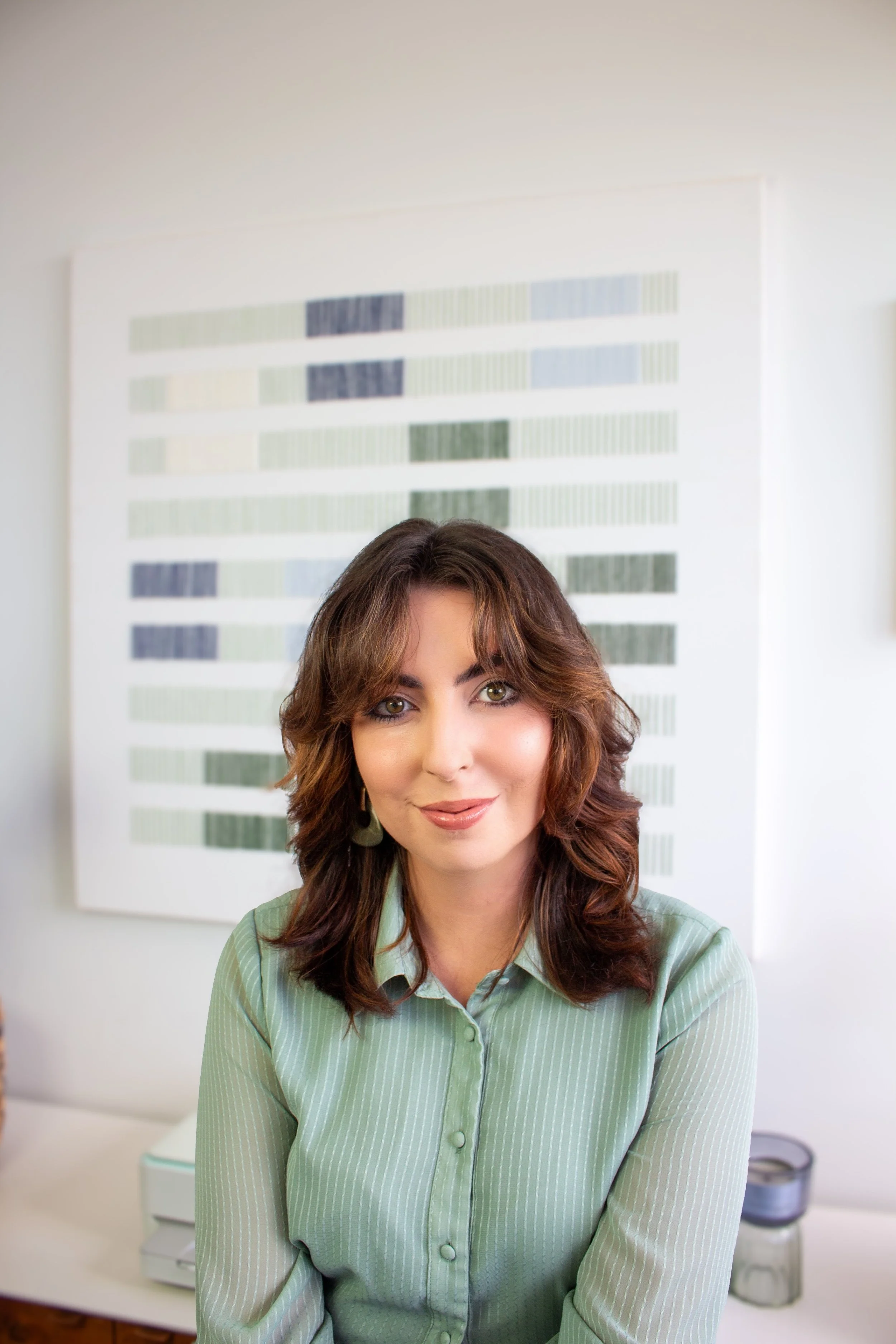
Selah Dimech
Online Presentation: Beyond Headphones and Fidgets: Designing a Sensory-Informed Life
Selah Dimech is an occupational therapist and founder of Neuraffirm, an OT and Allied Health Assistant practice dedicated to neurodiversity-affirming support for adults.
Her research on autistic family experiences has been published internationally, and she was awarded the Elspeth Pearson Award in 2024 for her contributions to the profession. She is passionate about creating tailored resources that actually work with neurodivergent brains, and shares insights and practical strategies through her growing social media platforms.
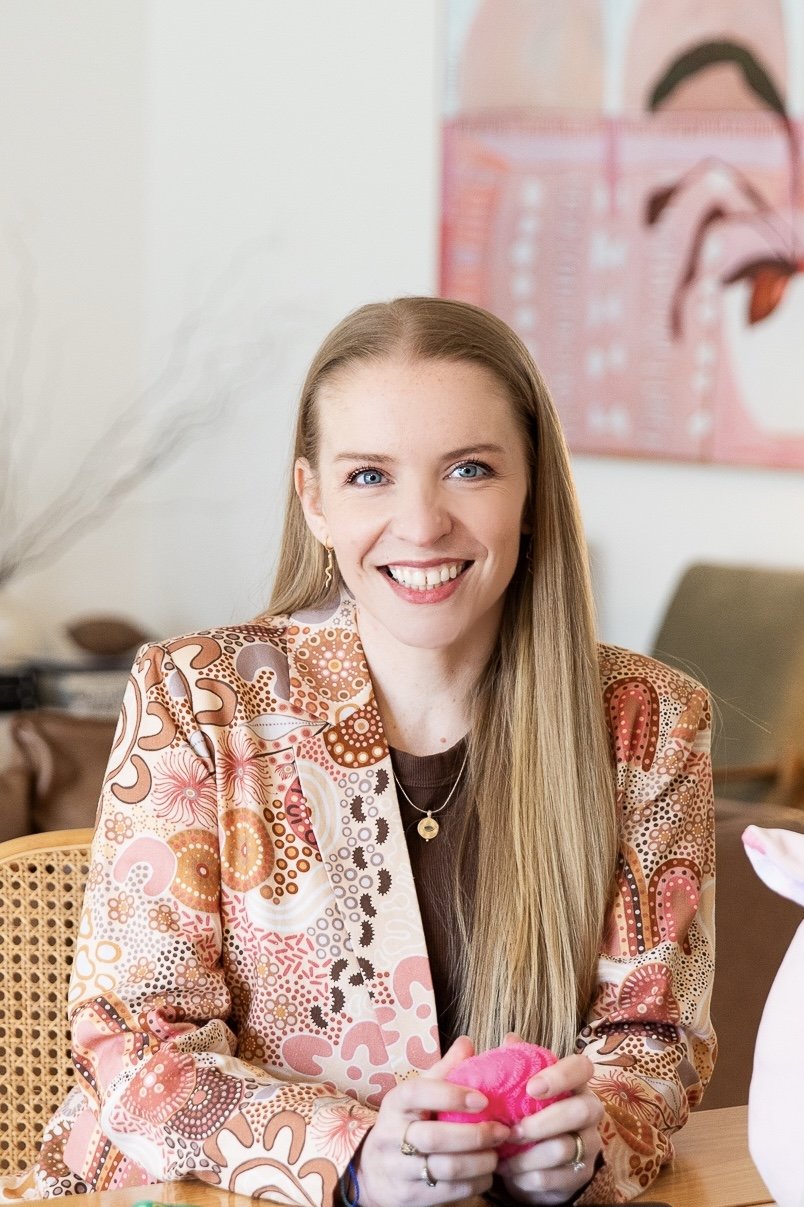
Steph Robertson (she/they)
Plurality and Neurodivergence: A Sociopolitical Lens on Identity, Agency, and Belonging
Steph Robertson is an experienced neurodivergent occupational therapist, speaker and advocate, with a commitment to trauma responsive and neurodiversity-affirming care.
As an autistic, ADHD, cPTSD individual and a plural system, Steph draws on her professional, research and lived experience in her work to support neurodivergent people and their families to challenge neurononormativity to build a life that works for them.
With over a decade of experience, Steph offers thought-provoking trainings, talks and resources designed to facilitate the deep socio-political shift to more inclusive and affirming spaces for all people.
When not working, Steph can be found wandering in nature, reading, or playing with their many animals.
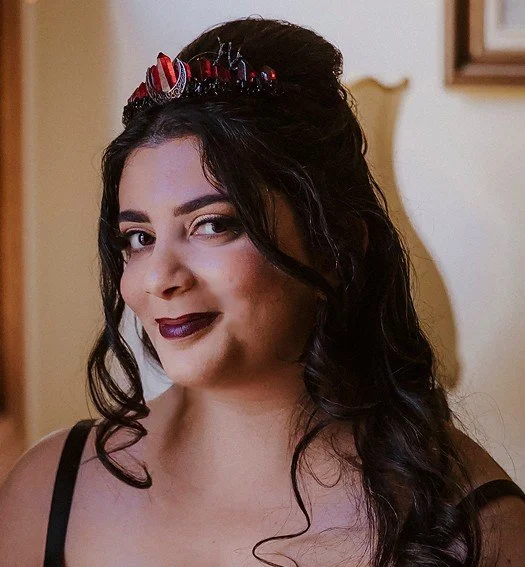
Dr Susannah French (she/they)
Paradigm Washing: When Neurodiversity Language Outpaces Structural Change
Dr Susannah French is a Canberra-based (Ngunnawal) sociologist, autism researcher, and neuroaffirming consultant whose work sits at the intersection of academic rigour, systems thinking, and lived experience.
Her PhD, completed at the Australian National University, examined female experiences of autism through three core concepts: conformity, concealment, and anticipated stigma. Drawing on qualitative case studies and a framework built from Erving Goffman’s dramaturgy, critical autism studies, queer theory, and intersectionality, her research names a distinction the clinical literature has been slow to reach: autistic women do not mask to fit in. They mask because they have learned the consequences of not doing so. Missed and late diagnoses are the product of structural systems never built to see autistic women.
As a late-diagnosed autistic and ADHD woman, Susannah brings inside knowledge of what it means to have spent decades masked in institutions that couldn't see what was actually there.
Susannah runs The Harpy’s Oracle, a depth-oriented tarot and insight practice focused on neurodivergent women finding their way back to themselves, and serves as Chair of the Intersectionality Advisory Group at Rebus Theatre.
Her aim is simple and non-negotiable: no more trauma, everyone gets what they need, and no one is left behind.
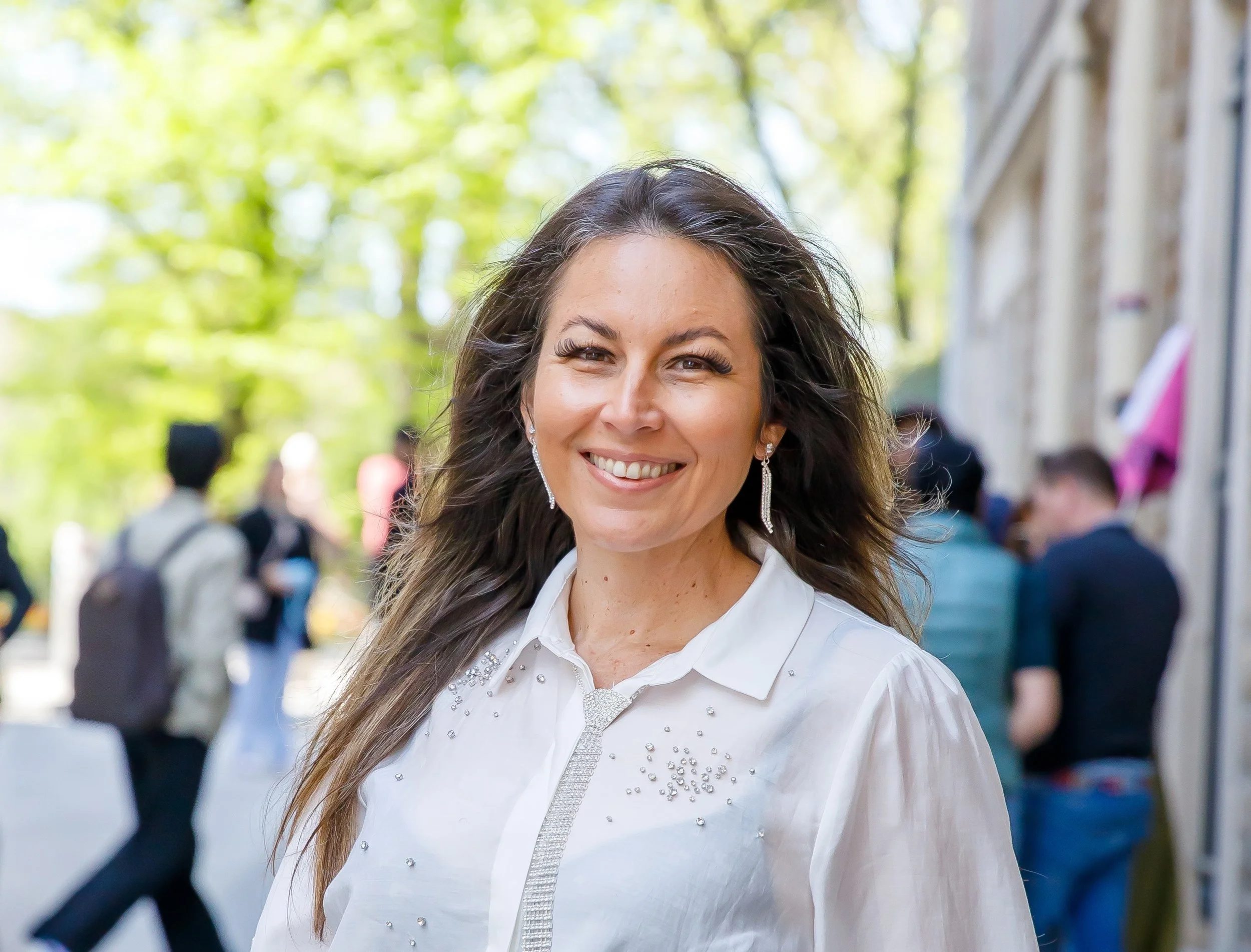
Tanya Hicks(she/they)
Online Presentation: From Support to Sovereignty: Capacity, Safety, and the Conditions for Neurodivergent Self-Determination
Tanya Hicks is an AuDHD thinker, writer, and speaker working at the intersection of neurodiversity, sovereignty, nervous system safety, and systems design. A Master of Counselling candidate and ACA Registered Counsellor, her work examines how long-term survival strategies are rewarded and normalised within contemporary systems, and how they come to be mistaken for identity. The question that drives her: what becomes possible when conditions shift from coercion to safety.
Tanya is the creator of the Misfit Architecture, a six-stage framework built on a single recognition: the gap between effort and outcome is structural. The framework maps what compliance-oriented systems cost, what they cannot move, and where genuine leverage exists. Her work is grounded in a single premise: the gap between effort and outcome is structural, not personal. The misfit was never the deficit. Drawing on neurodiversity scholarship, disability justice, and over 2,100 hours of practice-based observation, her writing and speaking are recognition-based rather than instructional. She names patterns rendered invisible by compliance-oriented systems, including what well-intentioned support costs the people it claims to serve.She is the author of Enough, and speaks internationally on neurodiversity-affirming practice, wellbeing, and systems change. She holds that sovereignty is not a personal trait to be cultivated, but a condition that must be collectively and structurally produced.
William Ward-Boas(he/him)
Panel Discussion: Neurodivergence in First Nations Communities: Insights from Lived Experience and Community Engagement
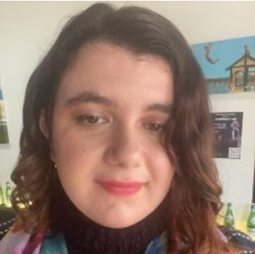
William Ward-Boas (he/him) is a proud gay First Nations man, AuDHD person with Intellectual Disability who is a passionate disability, diversity and accessibility advocate. William works to ensure people with disability - especially those with intersecting identities - are heard, respected and meaningfully included in decision-making.
William currently serves as Chair of VALID (Victorian Advocacy League for Individuals with Disability), is a Board Member for Inclusive Rainbow Voices, and works as a Community Visitor under the Disability Act 2006 in Victoria, supporting the rights and wellbeing of people with disability.
He has worked across the disability sector for more than seven years with organisations including VALID, AMAZE Autism Advocacy, Inclusion Australia, Children and Young People with Disability Australia and the Victorian Office of the Public Advocate.
In 2024 and 2026, William attended the United Nations Conference of State Parties to the Convention on the Rights of Persons with Disabilities in New York with the Australian Federation of Disability Organisations, representing his communities on a global stage.
William also runs William Ward-Boas Consulting, established in 2025, which supports organisations to better understand disability inclusion and accessibility. He is currently studying a Bachelor of Arts in Politics and Policy at Deakin University, with minors in International Relations and Anthropology.
Vera Yeo (she/they)
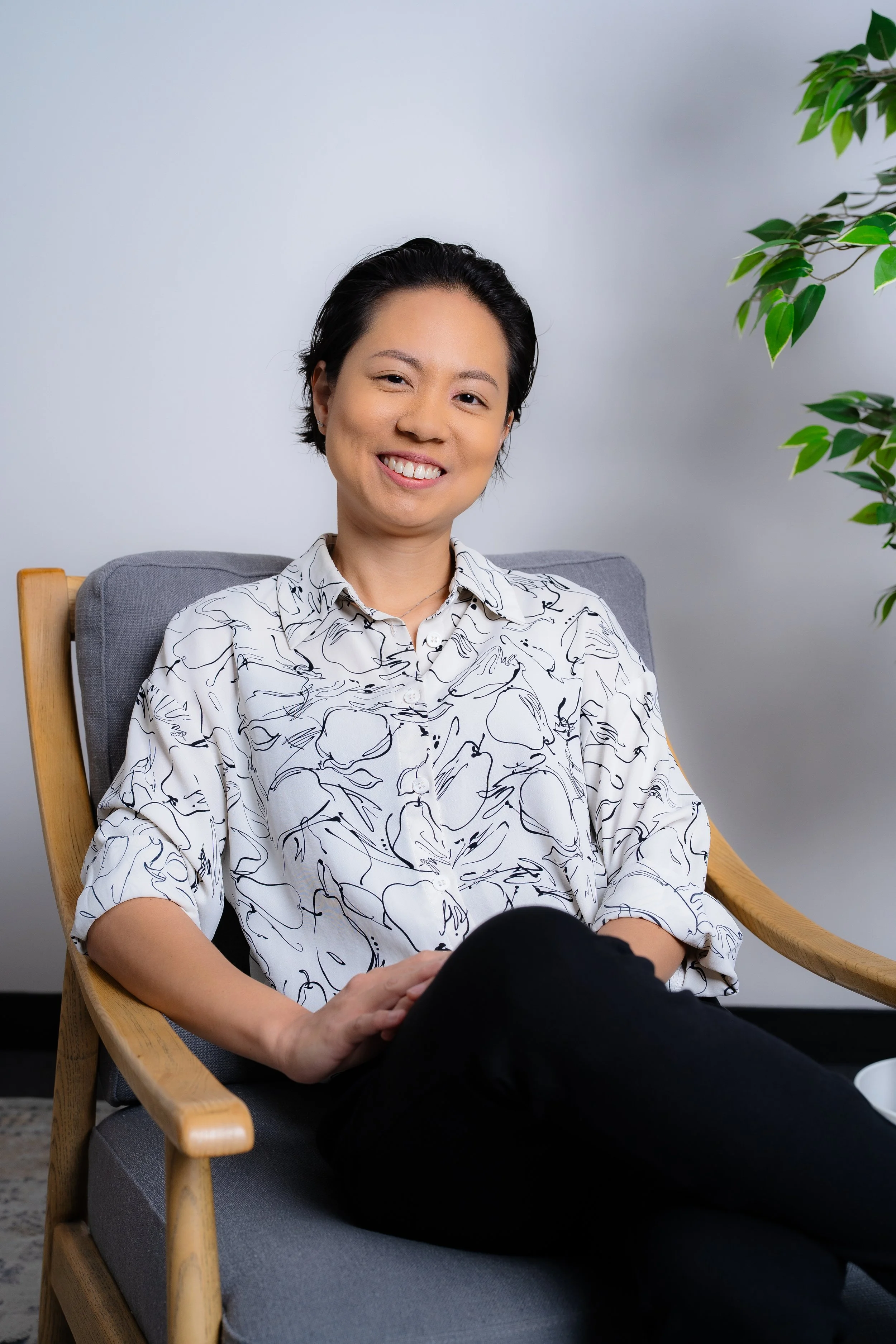
Online Presentation: From Survival to Self-Leadership: Reclaiming Personal Power Within Neurodivergent Lives
Vera Yeo (she/they) is a multiply-neurodivergent (ADHD, Autistic, PDA, Gifted) Senior Clinical Psychologist based in Dharug Country (Sydney). Vera currently works in private practice specialising in trauma-informed, neuroaffirming therapy for adults, integrating modalities such as Internal Family Systems (IFS), Eye Movement Desensitisation and Reprocessing (EMDR), and somatic approaches tailored to each individual’s neurotype and complexity. They are passionate about empowering clients in their healing journey and believe that healing does not end with only reducing mental health symptoms, but also embracing the process of post-traumatic growth.
Vera is also a board-approved supervisor, supporting psychologists and therapists to develop grounded, values-aligned professional identities. They recognise the importance of a safe supervision relationship that encourages clinicians to honour their strengths and develop their highest potential.
Vera brings both clinical rigour and lived experience to their work, contributing to public platforms (conferences, presentations, and podcasts) by sharing insights on neurodivergence, trauma healing, and identity development as an intersectional minority individual.
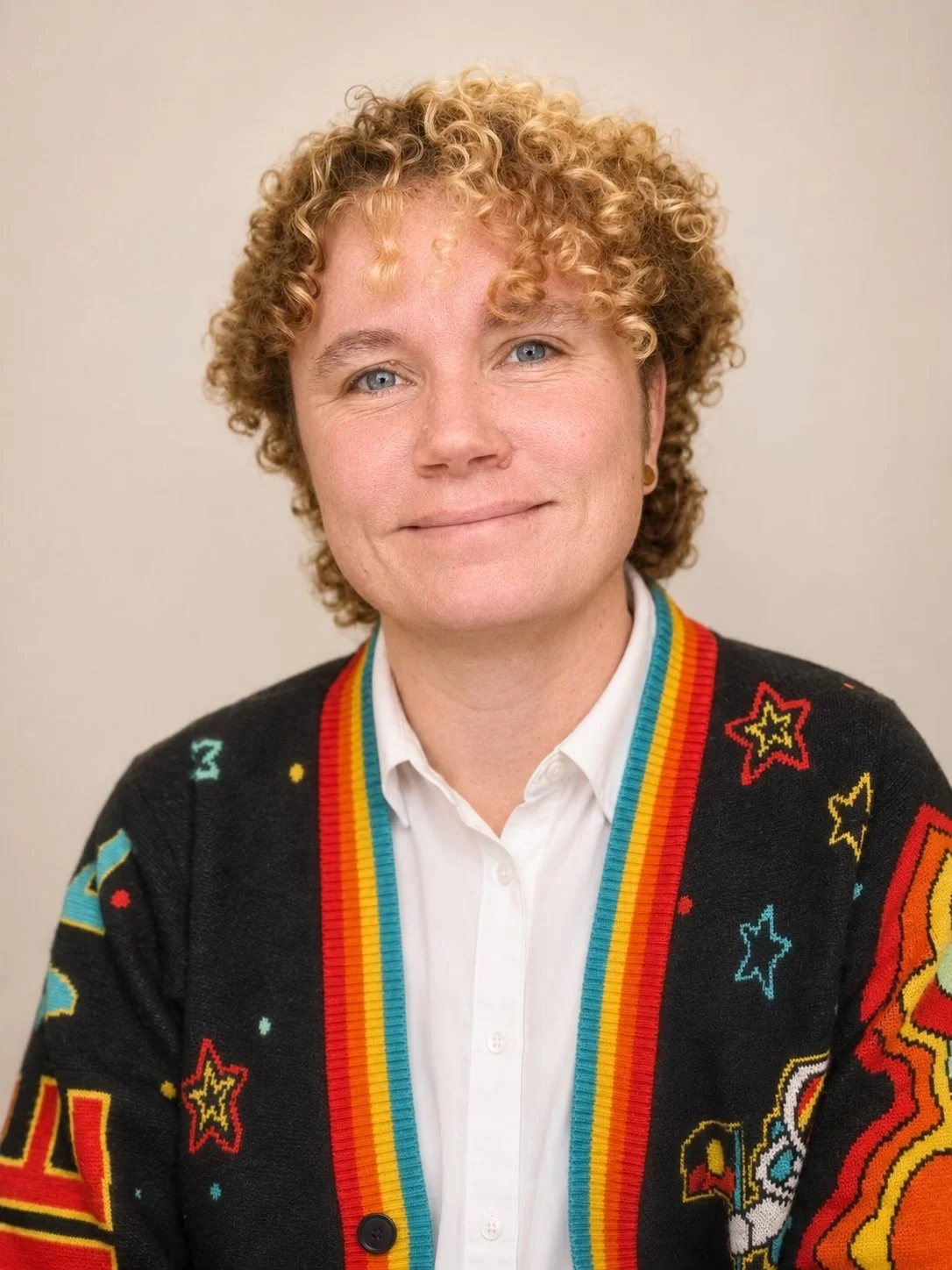
Yalei Wilson (they/he)
Why Are They So Obsessed With Us: Community Power in Offensively Combatting the Anti-Gender Phantasm
Yalei Wilson is a self-professed gender nerd living on Mumirimina country outside Nipaluna/Hobart. Queer, trans and neurodivergent, they bring their lived experience to their work as a clinical psychologist, unravelling the matted threads of gender, collectivising resistance to systemic oppression and exploring ways to reimagine and create more just, inclusive and liberatory social systems.
As an educator and consultant, Yalei develops and facilitates training and professional practices, partnering with individuals and community organisations to improve gender-affirming care and LGBTQIA+ inclusive practice. He serves as a board member of Equality Tasmania, a community organisation advocating for LGBTQIA+ rights since 1988. In their clinical work, Yalei supports neurodivergent, queer and trans people across the lifespan, from a public paediatric gender service to private practice. They have also founded peer support groups for young people and their families, as well as for mental health professionals seeking community connection. His practice is deeply shaped by lived experience, including navigating the complexities of being perceived as a pied piper of gender for supporting the agency of trans young people in exploring and affirming their identities.
Outside of work, Yalei can often be found ocean swimming (especially during Tassie winters) snorkelling, abalone diving or walking through the bush.

Dr Xi Liu (they/them)
Exploring Neuronormativity, Sanism and Neurodivergent Identity across Cultures
Dr. Xi Liu (they/them) is a queer, neurodivergent Clinical Psychologist, internationally recognized for their work in Telehealth and LGBTQIA+ wellbeing. As the first Chinese- speaking Advanced Certified Schema Therapy trainer, Xi supervises mental health practioners in China and Hong Kong, while offering training across Australia and New Zealand. Co-founder of SchemXcollective, Xi integrates intersectional, queer, feminist, and neurodivergent-affirming frameworks to address societal and cultural factors influencing mental health. Their expertise has been pivotal in adapting Schema Therapy for marginalized communities, and they are currently working with EMDR therapists on certain projects regarding the integration and adaptations of both Schema Therapy and EMDR.
Xi is passionate about advancing equity and inclusion in mental health, using creative arts to demystify therapy through both academic and creative writing. Their performance
project, In Session, presented at the Sydney and Adelaide Fringe festivals, combines therapy and performance art for an immersive exploration of the therapeutic process. Xi trained under Dr. Jeffrey Young, founder of Schema Therapy, and their Sydney-based practice focuses on trauma, grief, relationships, mood disorders, idenity conflicts, and gender affirmation through utilising both Schema Therapy and EMDR.